How to Recover My Funds from Fraud Successfully
Expert Tips for Retrieving Money Lost to Fraudulent Schemes

Table of Contents
Table of Contents
Swipe →National Cybercrime Reporting Framework (Helpline 1930) and Bank Chargeback Reversals
Falling victim to fraud is an unfortunate event that can cause significant financial distress. Fortunately, the Indian legal system provides several mechanisms for victims to recover their funds. One such measure is the National Cybercrime Reporting Portal, accessible via Helpline 1930, which is instrumental in reporting cyber fraud incidents. Additionally, bank chargeback reversals offer another avenue for financial institutions to rectify unauthorized transactions. This article provides an exhaustive guide on how to efficiently utilize these frameworks and other legal remedies to recover funds lost to fraud.
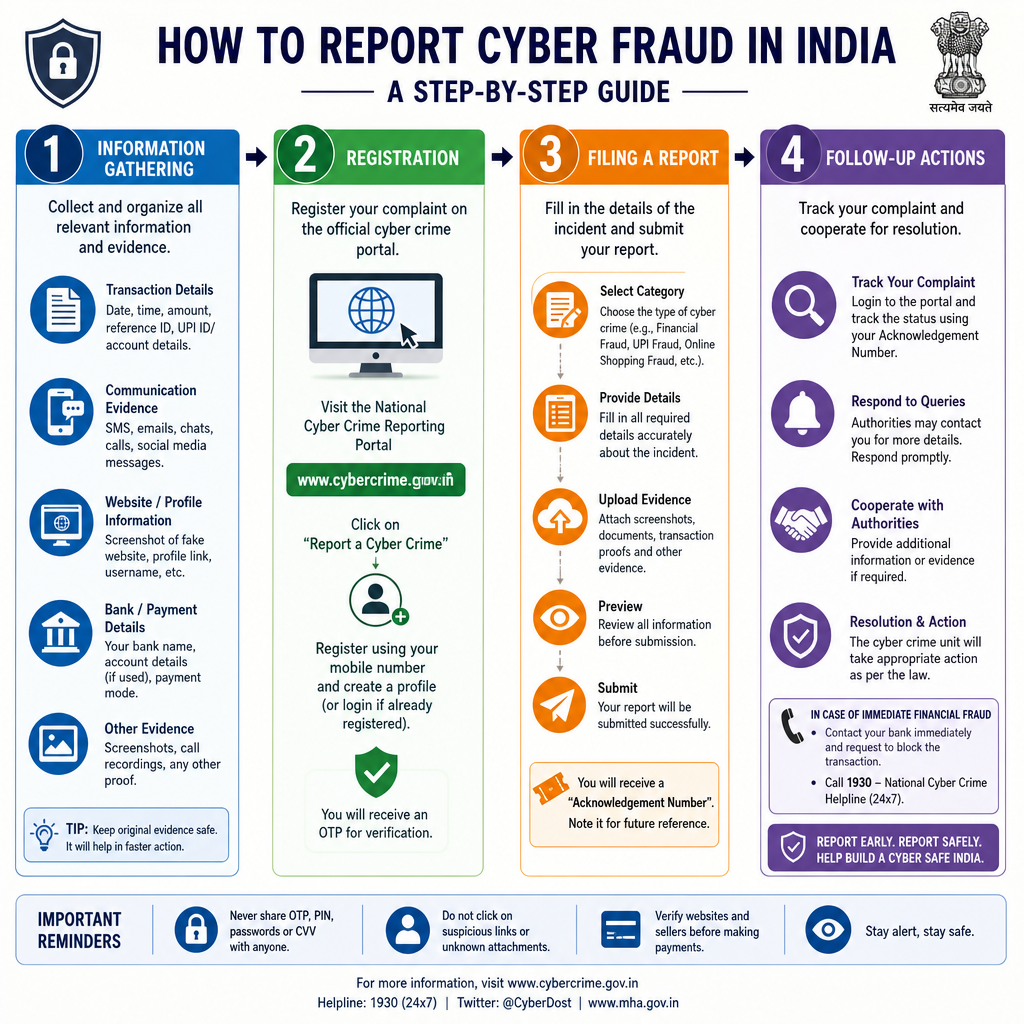
Reporting Fraud to the Cybercrime Portal: A Step-by-Step Guide
The National Cybercrime Reporting Portal is an initiative by the Ministry of Home Affairs, Government of India, aimed at enabling victims to report cybercrimes with ease. This portal is a crucial first step in recovering funds, as it creates an official record of the fraud and triggers the investigative process. Here’s a detailed step-by-step guide on how to report fraud:
1. Gathering Necessary Information
Before initiating a report, gather all relevant information about the fraudulent transaction. This includes:
Details of the transaction (date, time, amount, and the recipient’s account details).
Any communication with the fraudster (emails, text messages, or call logs).
Proof of transaction from your bank (e.g., bank statement or transaction receipt).
2. Accessing the National Cybercrime Reporting Portal
Visit cybercrime.gov.in and register using your mobile number. This portal allows you to report both cybercrimes and other types of fraud. For immediate assistance, you can also contact the Cybercrime Helpline at 1930.
3. Filing the Report
Once registered, fill out the online form with precise details about the fraud. Ensure that all information is accurate. Attach any supporting documents that can substantiate your claim.
4. Follow-Up
After filing the report, you will receive a confirmation with a reference number. This number is crucial for any follow-up queries or updates. Keep track of any communication from law enforcement agencies regarding your case.
Understanding Bank Chargeback Reversals
Chargeback reversals provide an additional remedy for fraud victims, especially in cases involving credit or debit card transactions. Here’s how you can initiate a chargeback reversal:
1. Contacting Your Bank
Immediately inform your bank about the fraudulent transaction. This can typically be done via customer service or through online banking platforms. Time is of the essence, as most banks have a limited window within which chargebacks can be processed.
2. Submitting a Chargeback Request
Provide detailed information about the transaction and any supporting evidence showcasing that it was unauthorized. This includes:
Transaction date and amount.
Merchant or recipient details.
Proof of fraud (if available).
3. Awaiting the Bank’s Investigation
The bank will conduct an investigation to verify the legitimacy of your claim. This may involve contacting the merchant or financial institution that processed the payment. The investigation period varies, but banks are required to follow certain timelines as per Reserve Bank of India (RBI) guidelines.
4. Resolution and Reversal
If the bank finds your claim valid, it will process a chargeback to reverse the transaction and credit the amount back to your account. Keep in mind that some banks may levy a fee for processing chargebacks, so it’s important to clarify any potential charges at the outset.
Legal Recourse Through Civil and Criminal Proceedings
Beyond immediate remedies like cybercrime reporting and bank chargebacks, legal proceedings provide a long-term solution for recovering funds from fraud. Depending on the nature of the fraud, victims can pursue either civil or criminal actions.
Civil Proceedings
Civil suits allow fraud victims to seek compensation for their financial losses. The process involves filing a suit in the appropriate civil court, and here’s how it typically unfolds:
1. Engaging a Lawyer
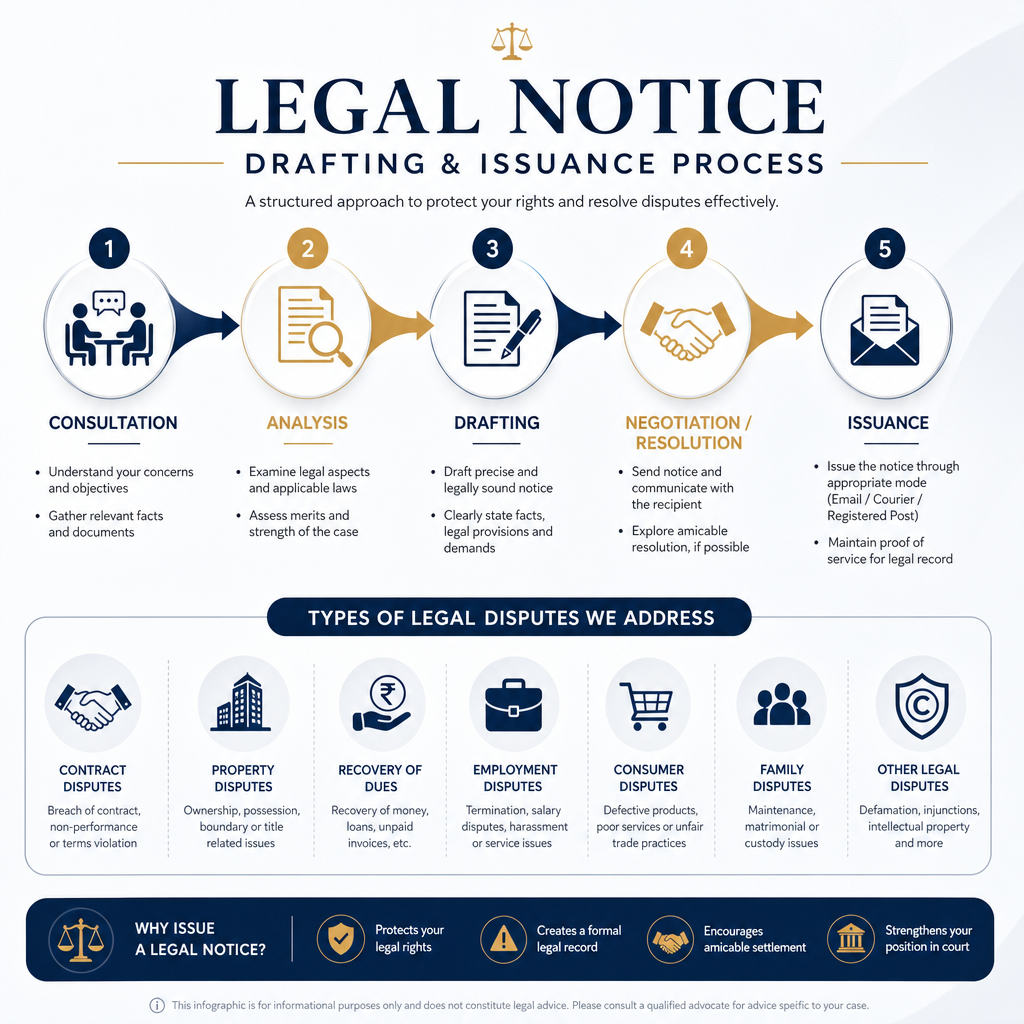
Hire a competent lawyer experienced in handling fraud cases. They will help you draft and file a suit, ensuring all applicable legal provisions are utilized. You can explore Legal Recovery's services for professional assistance.
2. Filing the Civil Suit
The complaint must precisely detail the fraudulent actions and quantify the financial losses incurred. Attach all relevant evidence to support your claims.
3. Court Proceedings
Once the suit is filed, the court will set dates for hearings where both parties present their arguments. The court may order the defendant to repay the funds if fraud is proven.
4. Enforcement of Judgment
Upon a favorable judgment, the court may issue orders for enforcing the recovery, such as asset attachments or garnishments.
Criminal Proceedings
Criminal charges can also be pursued, especially in cases involving large-scale fraud or organized schemes. The Indian Penal Code (IPC) has several sections relevant to financial fraud, such as:
Section 420 - Cheating and dishonestly inducing delivery of property.
Section 406 - Criminal breach of trust.
Filing a criminal complaint involves:
1. Registering an FIR
Report the fraud to your local police station and register a First Information Report (FIR). The police will investigate and, if necessary, arrest the accused.
2. Court Proceedings
If charges are filed, the case will proceed through the criminal justice system, potentially resulting in conviction and penalties for the fraudster.
Visual Dispute Resolution & Recovery Framework
Evidence and Documentation Checklist for Fraud Recovery
Successful recovery of funds from fraud heavily relies on the documentation and evidence you can provide. Below is a comprehensive checklist of the necessary documents:
Category | Mandatory Documentation | Admissibility |
|---|---|---|
Bank Transactions | Bank statements, transaction receipts | Admissible as direct evidence of financial loss |
Communication | Emails, messages, call logs | Admissible, needs proper authentication |
Identity Proof | Copy of ID used in the transaction | Essential for verifying the complainant's identity |
Fraudulent Entity Details | Any known details about the fraudster | Admissible, aids in identification and investigation |
For further guidance, consider consulting the Legal Notice Essentials to understand the importance of documentation in legal recovery.
Role of Consumer Protection Laws in Fraud Recovery
The Consumer Protection Act of 2019 offers robust provisions for victims to recover funds lost to deceptive practices by merchants or service providers. Here's how you can leverage these laws:
Filing a Complaint with the Consumer Forum
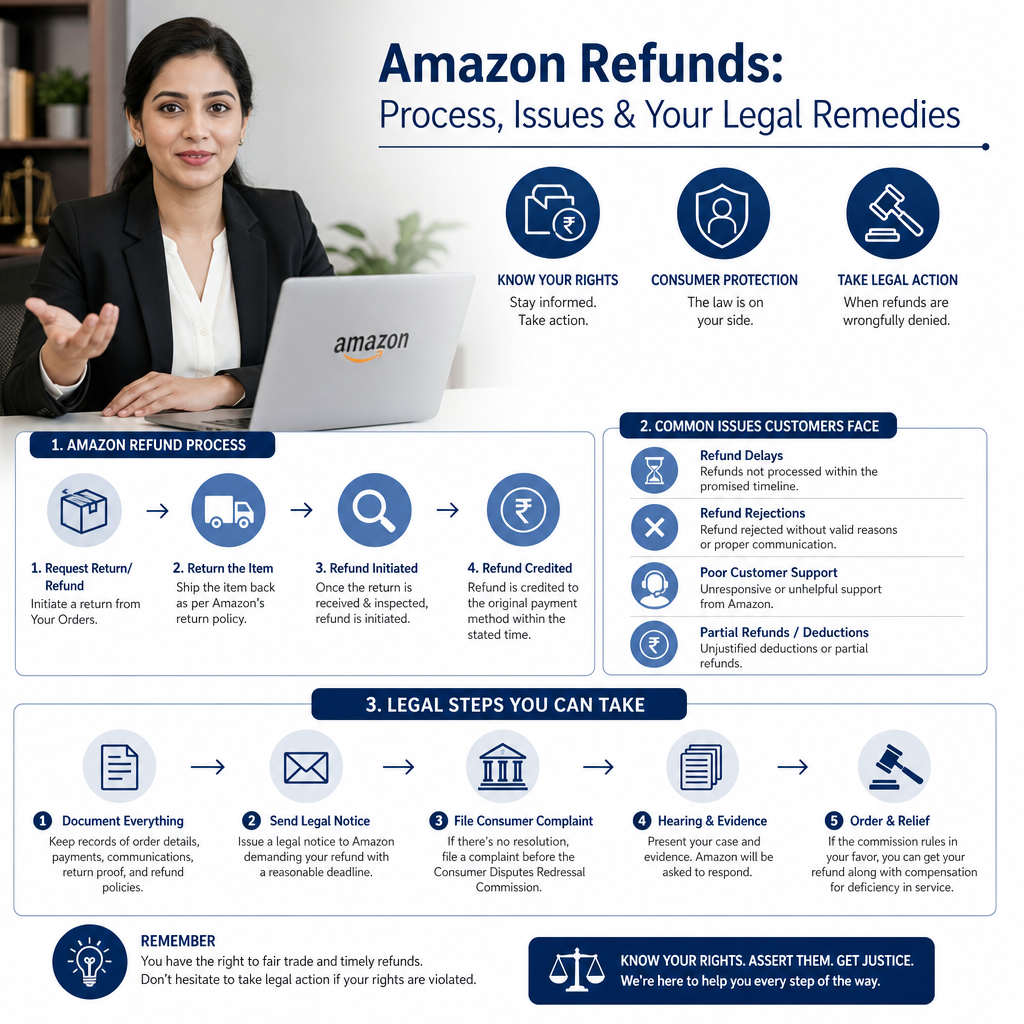
If fraud involves a consumer transaction, file a complaint with the District Consumer Disputes Redressal Commission. The process involves:
1. Drafting the Complaint
Your complaint should clearly outline the fraudulent activity and the compensation sought. Attach all relevant documents, including purchase proof, communication with the merchant, and any prior attempts at resolution.
2. Submitting the Complaint
Submit the complaint along with the requisite fee. You can file in person or electronically, depending on the commission’s provisions. For detailed procedures, review how to file a consumer complaint in India.
3. Attending Hearings
The commission will schedule hearings, during which both parties can present their case. A decision will be rendered based on the evidence presented.
4. Execution of Orders
Upon a favorable order, the commission will direct the merchant to refund the amount or provide other remedies as deemed appropriate.
Alternative Dispute Resolution: Arbitration and Conciliation
Alternative Dispute Resolution (ADR) mechanisms, such as arbitration and conciliation, offer a less adversarial approach to resolving fraud-related disputes. Here’s a detailed breakdown of these ADR strategies:
Arbitration
Arbitration involves appointing a neutral arbitrator to render a binding decision. This process is particularly effective for disputes arising from contracts with an arbitration clause.
1. Initiating Arbitration
File a request for arbitration as per the procedure outlined in the contract. The arbitrator is usually selected by mutual consent of both parties.
2. Arbitration Proceedings
The proceedings are less formal than court trials, focusing on the merits of the evidence and arguments presented. Both parties have the opportunity to submit evidence and call witnesses.
3. Arbitral Award
The arbitrator issues a final award that is binding on both parties, enforceable in court if necessary.
Conciliation
Conciliation is a voluntary process where a conciliator aids parties in reaching a mutually agreeable settlement. It's less formal and aims at preserving business relationships.
1. Request for Conciliation
Any party can request conciliation, selecting a conciliator from a panel of experts in the relevant field.
2. Conciliation Sessions
During sessions, the conciliator facilitates dialogue, helping parties identify issues and explore potential solutions.
3. Settlement Agreement
If successful, a settlement agreement is drafted, which is binding and can be enforced like an arbitral award.
ADR offers significant advantages in terms of speed and cost savings, and is worth considering for fraud recovery. For more detailed insights, refer to Online Dispute Resolution in India.
Preventive Measures to Avoid Future Fraud
While recovering funds is crucial, taking preventive measures to avoid future fraud is equally important. Implementing the following practices can significantly enhance your security:
1. Strengthening Cybersecurity
Invest in robust cybersecurity measures, including encryption, firewalls, and antivirus software, to protect against unauthorized access and data breaches.
2. Educating Employees and Stakeholders
Conduct regular training sessions to educate your team on phishing, social engineering, and other common fraud tactics, emphasizing the importance of vigilance and reporting suspicious activities.
3. Regular Monitoring and Audits
Implement regular audits and monitoring of transactions to detect anomalies early. Use automated systems for real-time alerts on unusual activities.
4. Secure Payment Methods
Encourage the use of secure payment gateways and two-factor authentication to enhance transaction security.
For comprehensive solutions, Legal Recovery offers tailored services that can help protect and recover your investments effectively.
Conclusion: Taking Proactive Steps for Recovery
Recovering funds from fraud requires a strategic approach that combines immediate reporting, effective use of legal frameworks, and preventive measures. By understanding the available resources and diligently following the outlined steps, victims can significantly improve their chances of successful recovery. Legal Recovery's extensive services are designed to assist individuals and businesses in navigating these complex processes efficiently. Remember, time is of the essence, and proactive action is key to minimizing financial losses and safeguarding against future fraud.
Popular Searches & Related Topics

Legal Recovery is India's trusted consumer protection and legal tech platform. We specialize in holding corporations accountable for unfair trade practices, deceptive marketing, and commercial fraud. With over 15,000 customers counselled, our mission is to provide fast, out-of-court resolutions by connecting you with top-tier panel advocates for immediate legal action.
Client Reviews
"The recovery services provided were exemplary. The team guided me through every step and ensured I could recover my lost funds efficiently."
Rajesh Kumar
"I am thoroughly impressed with the professionalism and expertise demonstrated in recovering my money from fraud. Highly recommended!"
Priya Singh
"Thanks to the detailed guidance and support, I was able to successfully navigate the legal processes and recover my funds."
Anjali Patel
"Exceptional service! The team was knowledgeable, responsive, and instrumental in helping me recover my funds from a fraudulent transaction."
Vikram Das
"I can’t thank the team enough for their expertise and diligence. They made a daunting process manageable and successful."
Neha Reddy
Frequently Asked Questions
Related Articles
About Author
Team LegalRecovery
View ProfileTeam LegalRecovery is a dedicated team of legal and financial professionals specializing in loan settlement, banking disputes, debt relief, and corporate compliance. We are committed to helping clients achieve debt freedom and business stability through expert strategic advisory.
Connect on LinkedInNeed Legal Help?
Get expert advice on loan settlement, banking disputes and debt relief.
Start Recovery NowRequest Callback