Recover My Funds from Fraudulent Transfer Now
Learn the steps to legally reclaim funds lost in fraudulent transfers.

Table of Contents
Table of Contents
Swipe →In an increasingly digital world, the convenience of online transactions is often accompanied by the risk of fraudulent activities. If you find yourself a victim of a fraudulent transfer, reclaiming your lost funds becomes a top priority. This comprehensive guide will walk you through the detailed legal pathways, statutory requirements, evidentiary necessities, and practical strategies to recover your funds effectively.
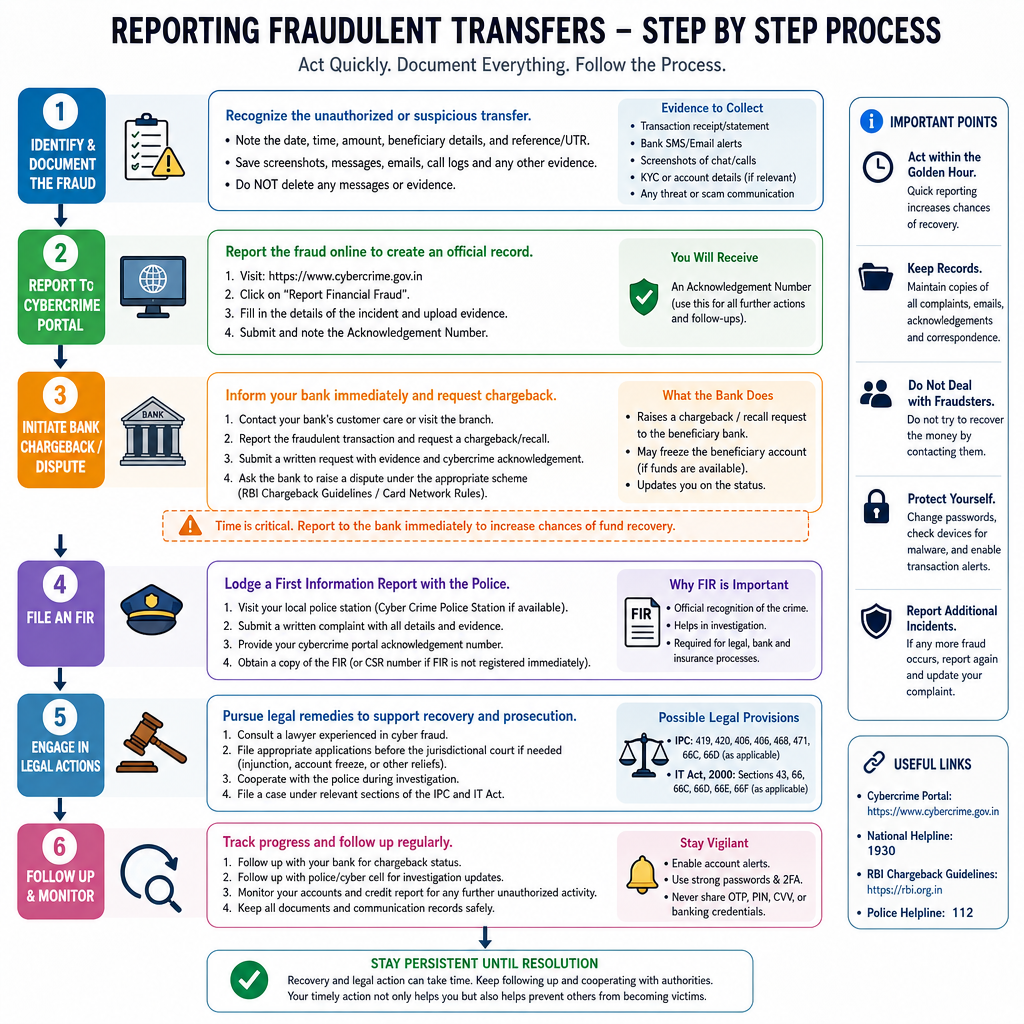
National Cybercrime Reporting Framework (Helpline 1930) and Bank Chargeback Reversals
In India, the surge in cyber fraud cases has led the government to implement robust mechanisms for victims to report incidents and recover their funds. The National Cybercrime Reporting Portal is a vital tool in this arena, allowing victims to report fraudulent transactions. The portal is accessible at www.cybercrime.gov.in, and the helpline number 1930 provides immediate assistance to those affected.
The first step towards recovering funds is to report the fraudulent transfer on this platform. Doing so creates an official record of the incident, which is crucial when dealing with banks or financial institutions. The portal is designed to facilitate quick action and communication with law enforcement agencies, ensuring that your complaint is addressed promptly.
Once the complaint is registered, you should initiate a chargeback process with your bank. A chargeback is essentially a reversal of the transaction, initiated by the bank upon confirming the fraud. Indian banks, under guidelines from the Reserve Bank of India (RBI), are obligated to assist customers who have been victims of fraudulent transactions.
To initiate a chargeback, contact your bank's customer service and provide them with all relevant details of the fraudulent transaction, including the transaction ID, the amount, and any communication you have had with the fraudulent party. The bank will then investigate the claim and, if found valid, they will reverse the transaction. It is essential to act promptly, as most banks have a limited window for chargeback requests, typically ranging from 45 to 60 days from the date of the transaction.
Legal Recourse Under the Indian Penal Code and Information Technology Act
The Indian Penal Code (IPC) and the Information Technology Act provide the legal framework for addressing cyber fraud and unauthorized fund transfers. Section 420 of the IPC deals with cheating and fraud, while Sections 43 and 66 of the Information Technology Act address unauthorized access and data breaches.
To proceed with legal action, you must file a First Information Report (FIR) with your local police station or cybercrime cell. The FIR should detail the fraudulent transaction, including how it occurred, the amount involved, and any attempts to contact the perpetrator. Ensure you gather and preserve all digital evidence, such as emails, transaction receipts, and screenshots, as these will be critical in building your case.
Once the FIR is filed, the police will investigate the matter. They have the authority to track the transaction trail, freeze suspected accounts, and apprehend the culprits. In parallel, you can also approach a cybercrime lawyer to guide you through the legal process and ensure your case is robust.
In instances where banks or financial institutions have been negligent in protecting your funds, you can file a complaint with the Banking Ombudsman under the RBI. The ombudsman will hear your case and can direct the bank to reverse the transaction or compensate you for the loss.
Documentation and Evidence: Key to Successful Recovery
Documentation plays a pivotal role in the recovery of funds. Without the right evidence, your chances of reclaiming lost money diminish significantly. Here's a checklist of essential documents you should gather:
Transaction Details: Keep copies of all bank statements that reflect the fraudulent transaction, including transaction IDs, dates, and amounts.
Communication Records: Preserve all communications with the fraudulent party, including emails, messages, and any responses received.
Official Complaints: Retain copies of the complaint filed on the National Cybercrime Reporting Portal and the FIR submitted to the police.
Bank Correspondence: Document all interactions with the bank regarding the chargeback process, including logs of phone calls, emails, and official responses.
Document Type | Purpose | Admissibility |
|---|---|---|
Transaction Details | Proof of unauthorized transaction | Essential for bank chargeback and legal proceedings |
Communication Records | Evidence of the interaction with the fraudster | Supports fraud claims |
Official Complaints | Shows timely action taken | Critical for legal and bank dispute processes |
Bank Correspondence | Details of bank's actions and responses | Useful in ombudsman complaints |
Visual Dispute Resolution & Recovery Framework
Practical Strategies for Dispute Resolution
Resolving disputes and recovering funds from fraudulent transfers involves a strategic approach, combining both legal actions and negotiation tactics. Here are some strategies:
Engage Directly with the Bank
Approach your bank's grievance redressal mechanism as the first line of action. Banks typically have dedicated fraud departments tasked with investigating and resolving such cases. Be clear and concise in your communication, providing all necessary documentation for a swift resolution. If initial attempts are unsuccessful, escalate the issue to higher authorities within the bank.
Seek Legal Advice
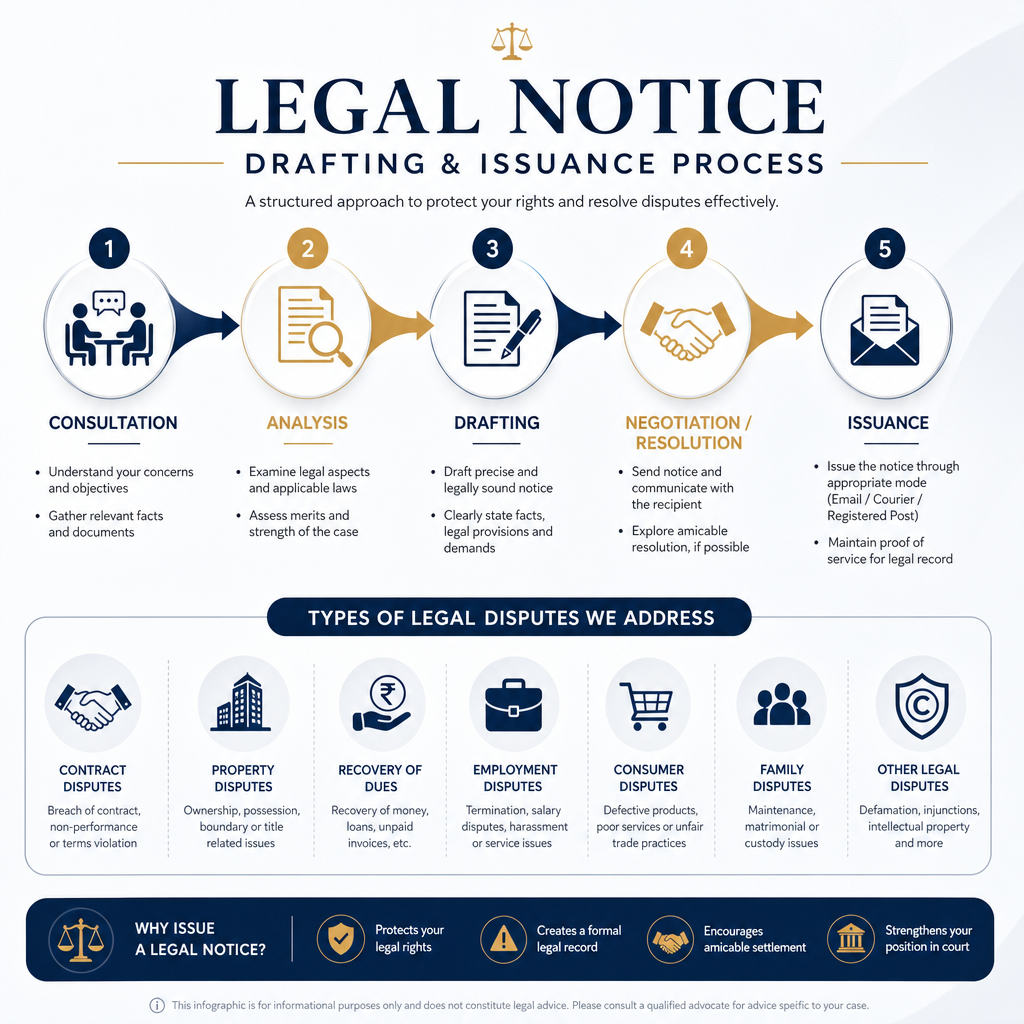
Consulting with a cybercrime lawyer can be invaluable. They can assist in drafting legal notices, guiding you through court processes, and ensuring that all legal formalities are adhered to. Legal professionals can provide insights into the complexities of cyber laws and help navigate any obstacles that arise during the recovery process.
Alternative Dispute Resolution
Consider engaging in alternative dispute resolution (ADR) methods if direct negotiations with the bank or the fraudster fail. Mediation and arbitration provide platforms for both parties to reach a mutually agreeable solution without the need for lengthy litigation. ADR can often be a faster and less adversarial route to recover funds.
File a Consumer Complaint
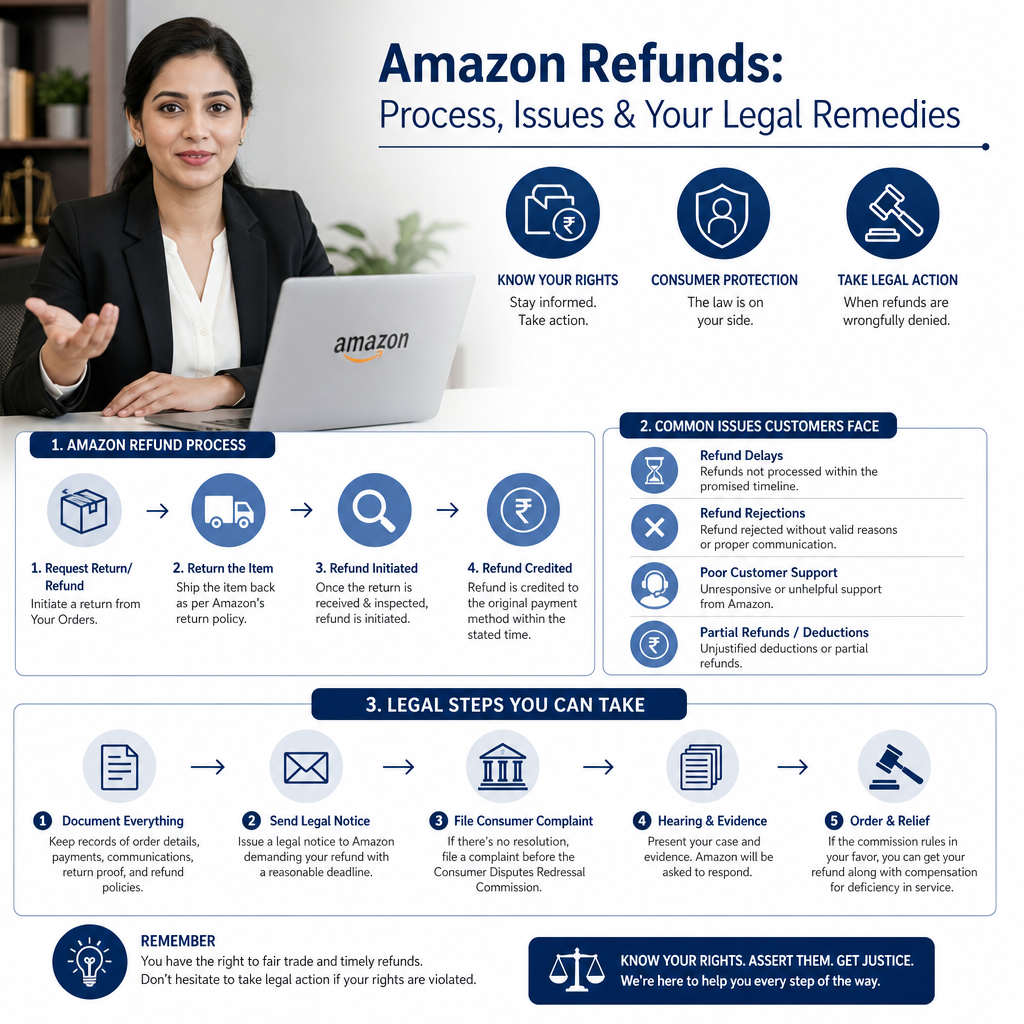
If you believe the bank or any service provider has failed to offer adequate protection or service, you can file a complaint with the Consumer Disputes Redressal Commission. As per the Consumer Protection Act 2019, banks and financial institutions are obliged to ensure the safety of their services, making them accountable for any lapses leading to fraud.
Statutory Framework and Legal Remedies for Court Procedures for Fraud Recovery
Taking a case to court requires an understanding of the procedural aspects involved. Here's a detailed look at the steps needed to pursue a case in the Indian judicial system:
Filing a Civil Suit
To file a civil suit for the recovery of funds, you must draft a plaint detailing the nature of the fraud, the amount involved, and the relief sought. It is essential to file the suit in the appropriate court having jurisdiction over the matter, which is typically the district court where the transaction occurred or where the bank is located.
The plaint must be accompanied by an affidavit verifying the contents as true, a list of documents relied upon, and a memo of parties involved. Once filed, the court will issue a summons to the accused party to appear and present their defense.
Criminal Prosecution
In addition to civil proceedings, you can pursue criminal prosecution against the fraudster. This involves the police filing a chargesheet after investigating the FIR, leading to a criminal trial. Here, the burden of proof lies in demonstrating the fraudulent intent and unlawful appropriation of your funds.
Evidentiary Requirements
In court, the burden of producing evidence rests on the aggrieved party. Ensure that all documentation presented is authenticated and admissible under the Indian Evidence Act. This includes digital evidence, which must comply with the Act's stipulations for electronic records.
Role of Legal Representation
Engaging a competent lawyer is critical for navigating court procedures. Your lawyer will draft necessary pleadings, represent you during hearings, and cross-examine witnesses to establish your case effectively. Legal representation can greatly influence the outcome of both civil and criminal proceedings.
Statutory Timelines and Limitation Periods
Understanding statutory timelines is crucial in ensuring that your recovery actions are not barred by limitation laws. Here's a breakdown of key timelines under Indian statutes:
Action | Relevant Statute | Time Limit |
|---|---|---|
Filing FIR/Police Complaint | CrPC (Criminal Procedure Code) | No specific time limit but should be done promptly |
Chargeback Request to Bank | RBI Guidelines | 45-60 days from transaction date |
Filing Civil Suit | Limitation Act | 3 years from the date of fraud |
Consumer Complaint | Consumer Protection Act 2019 | 2 years from the cause of action |
Conclusion: A Steadfast Approach to Fund Recovery
Recovering funds from fraudulent transfers requires timely actions, thorough documentation, and a clear understanding of legal processes. By leveraging statutory protections, utilizing the cybercrime reporting frameworks, and engaging in legal recourse, victims can significantly enhance their chances of recovering lost funds. For those seeking specialized assistance, Legal Recovery offers a comprehensive suite of services designed to guide individuals through the complexities of fund recovery.
With persistence and the right legal aid, victims can navigate the challenging landscape of cyber fraud and secure justice against fraudulent activities.
Popular Searches & Related Topics

Legal Recovery is India's trusted consumer protection and legal tech platform. We specialize in holding corporations accountable for unfair trade practices, deceptive marketing, and commercial fraud. With over 15,000 customers counselled, our mission is to provide fast, out-of-court resolutions by connecting you with top-tier panel advocates for immediate legal action.
Client Reviews
"The guidance provided in recovering my funds from a fraudulent transfer was exceptional. The step-by-step instructions made the daunting process much easier to navigate."
Amit Kumar
"I was impressed by the comprehensive legal advice that helped me reclaim my lost money. The information was clear and actionable."
Neha Verma
"Thanks to the clear strategies outlined, I was able to successfully dispute a fraudulent transfer with my bank. Highly recommend this guide!"
Rahul Sharma
"This article was a lifesaver! The detailed instructions on legal recourse were invaluable in helping me recover my funds swiftly."
Priya Nair
"I appreciated the practical strategies shared for resolving disputes. The combination of legal and negotiation tactics worked wonders!"
Vikram Patel
Frequently Asked Questions
Related Articles
About Author
Team LegalRecovery
View ProfileTeam LegalRecovery is a dedicated team of legal and financial professionals specializing in loan settlement, banking disputes, debt relief, and corporate compliance. We are committed to helping clients achieve debt freedom and business stability through expert strategic advisory.
Connect on LinkedInNeed Legal Help?
Get expert advice on loan settlement, banking disputes and debt relief.
Start Recovery NowRequest Callback