Koi Paisa Na De To Kya Kare? How to Recover Money in India
Practical steps to document what is owed, make a written demand and choose the right recovery route.
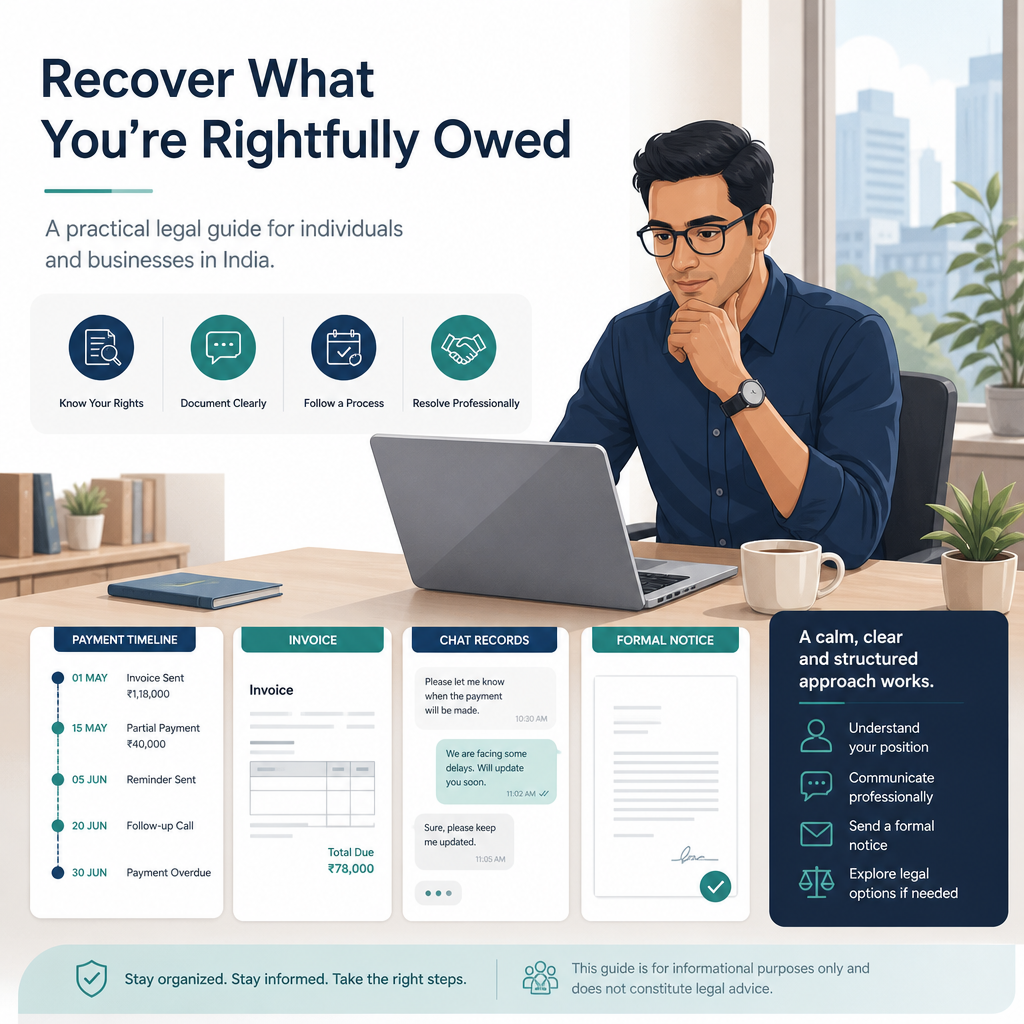
Table of Contents
Table of Contents
Swipe →Someone owes you money, keeps promising to pay, and then stops replying. It is frustrating, especially when you are unsure whether you have enough proof or whether taking action will cost more than the amount owed. You do not have to decide everything today. Start by identifying why the money is due, collecting what you already have, and making a clear written demand. This guide explains those first steps, when a legal notice may help, and where to go if payment still does not come.
First, be clear about why they owe you money
“Koi paisa na de to kya kare?” has no single answer because the right next step depends on the transaction. Money lent to a friend is different from unpaid salary or a refund that a seller has failed to process. Before sending complaints anywhere, write down one sentence: “This person or business owes me ₹___ because ___.” If you cannot complete it confidently, check your messages and documents first.
For a loan to a friend or relative, identify when you transferred the money and what was said about repayment. If an employer owes wages, identify the pay period, agreed salary and amount actually received. For a purchase refund, note what you bought, why a refund is due and what the seller has already told you. A landlord retaining a deposit may raise a different dispute again: the condition of the property and any claimed deductions matter.
This distinction saves time. A consumer complaint route is meant for a dispute with a seller or service provider, not for collecting a personal loan from a friend. Equally, a labour authority is relevant to unpaid wages, not to an ordinary purchase refund. You can seek repayment in each situation, but you need to explain the right problem to the right person.
Check the balance before you act. Subtract any part-payments and separate the amount you can prove from amounts you merely expect. If interest was agreed, keep the agreement; do not invent a rate in your demand. A simple, accurate claim is easier for the other side to settle and easier for you to pursue if they refuse.
Gather proof before the conversation turns into an argument
You may be worried because nothing was signed. That does not mean you should give up. Bank or UPI records, messages and later admissions can help show what happened. The difficulty is that a transfer proves money moved, but may not, on its own, prove that it was a loan rather than a gift or payment for something else. Your aim is to put the transaction and the promise to repay in the same clear timeline.
Keep this | What it helps establish | What to check now |
|---|---|---|
Agreement, acknowledgment or relevant messages | Why the money was paid and what repayment was promised | Save the complete conversation, including dates and the other person’s replies |
Bank or UPI statement and transaction ID | When and how much you paid | Match each transfer to the person and purpose claimed |
Salary records, invoice, order confirmation or receipt | The amount due for work, goods or services | Keep terms, payment dates and records of work or delivery |
Record of part-payments | The unpaid balance | List dates and amounts without counting anything twice |
Earlier demands and delivery proof | What you requested and whether it reached them | Keep emails, postal receipts and available tracking records |
Make a short timeline: money paid or work completed, payment due, reminders sent, replies received and part-payments made. Keep the original files as well as screenshots. If a message says, “I will return the remaining ₹20,000 next month,” preserve the surrounding exchange so its meaning is clear. Our guide to using WhatsApp chats as evidence explains why context matters.
Do not alter screenshots, crop away inconvenient replies or ask someone to write a backdated acknowledgment. If details are disputed, record that too. For example, a former employer may say a deduction was authorised, or a seller may claim the refund has already been issued. Knowing their position early helps you ask for the specific record that could resolve it.
If payment was in cash, look for messages discussing the handover, a witness who actually saw it, or a later admission of the amount owed. Recovery can be harder with thin evidence, but a careful written request may still clarify whether the other person accepts the debt.
Send one clear written demand instead of repeated calls
Calls feel urgent, but they can leave you with no reliable record of what was said. A dated message or email gives the other person a fair chance to respond and shows exactly what you requested. Keep it firm and factual, even if you have been ignored for weeks.
Identify the transaction. State when you lent the money, worked, paid the deposit or placed the order.
State the exact balance. Include the original amount and any part-payments you have deducted.
Explain why payment is due. Refer to the agreed repayment date, salary period, refund commitment or other relevant record.
Give a payment method and deadline. Seven to fifteen days is often a practical negotiation window, not a universal legal rule.
Ask for a written response. If they dispute the amount, invite them to identify the reason and share supporting records.
For example: “On 10 June, I transferred ₹25,000 to you as a loan. You confirmed by message that you would return it by 10 August. I have received ₹5,000, leaving ₹20,000 unpaid. Please transfer the balance to the account details already shared by 5 October, or reply in writing if you disagree with this balance.” Adjust the wording to your actual facts. Do not claim to have an agreement that you do not have.
Send the demand through a channel the recipient uses, and preserve a copy with the date and any response. If you have their postal address, sending a letter as well can create a useful delivery record. A refusal or a request for more time is information, not necessarily the end of the road. Ask for a realistic payment date and get any revised arrangement in writing.
Keep the tone professional. Threatening public embarrassment or saying the police will arrest someone simply because they owe money is unlikely to help. A demand should make settlement easier, not create another dispute. If the person says they have already paid, request the transaction reference and check it against your statement before escalating.
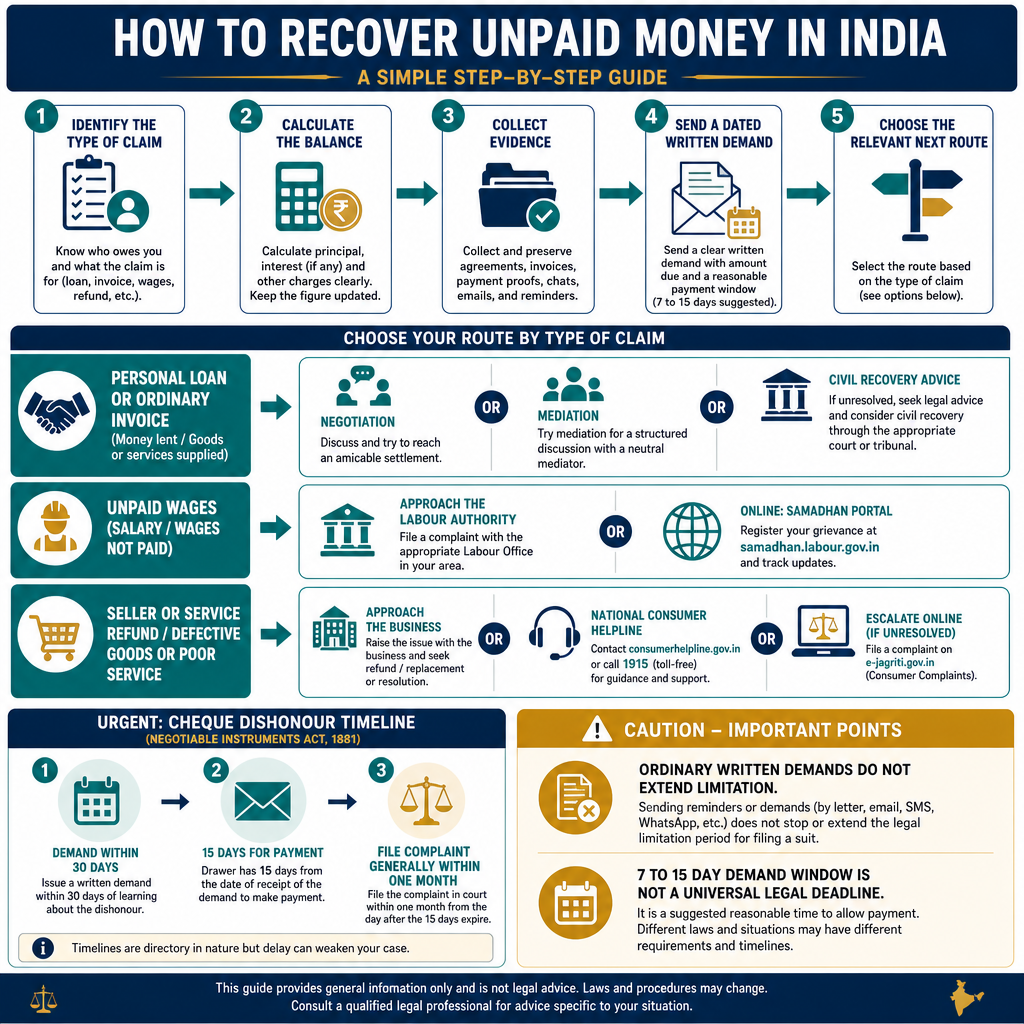
Visual Dispute Resolution & Recovery Framework
When should you send a legal notice?
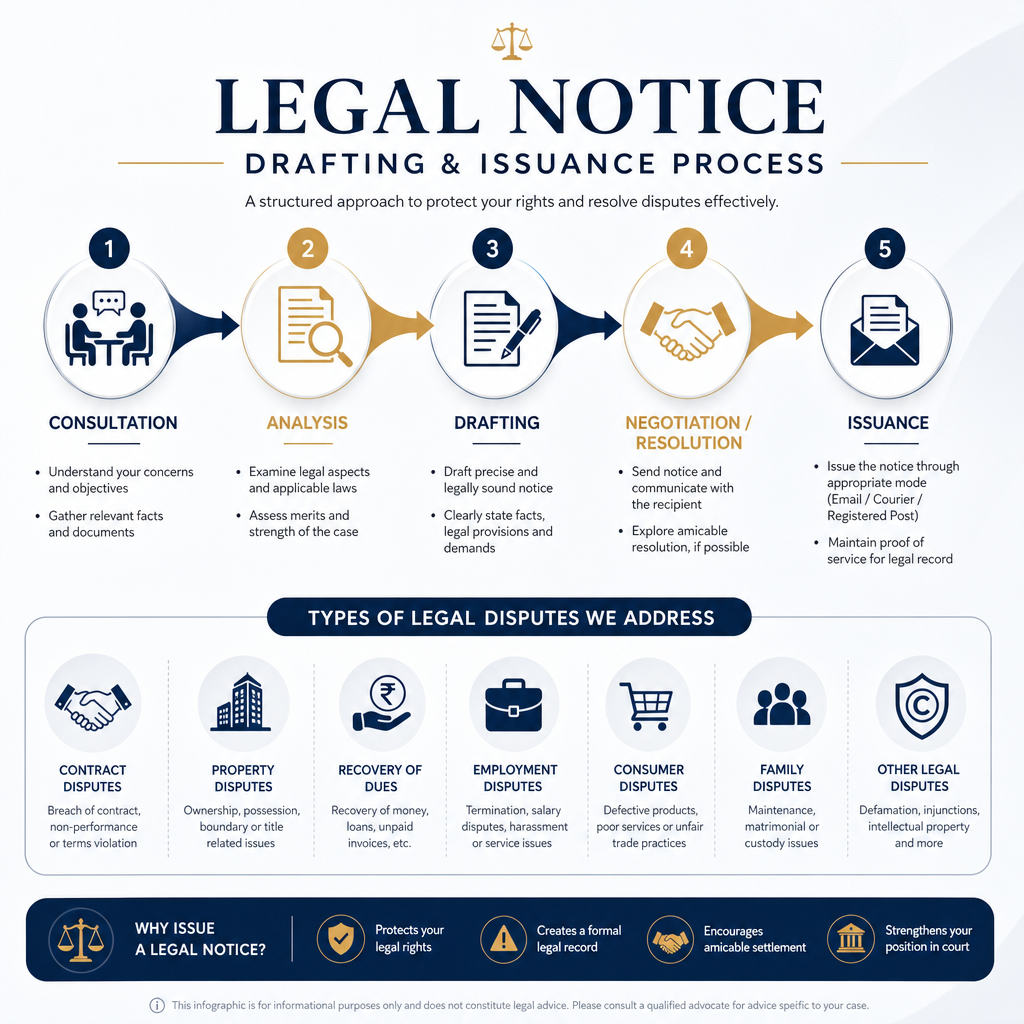
If the written demand is ignored, the balance is disputed, or informal promises keep changing, a legal notice can put the claim into a more structured form. It identifies the parties, sets out how the debt arose, calculates what remains unpaid, requests payment and explains the proposed next step if the matter is not resolved. For an ordinary money claim, a notice can encourage settlement, but sending one does not guarantee payment.
You can learn what belongs in a money recovery legal notice before paying anyone to draft it. Accuracy matters more than aggressive language. If the amount or repayment history is wrong, the recipient has an obvious reason to challenge the demand. Keep a copy of the final notice and proof of dispatch or delivery.
If handling the drafting and follow-up feels difficult, LegalRecovery’s online process offers one option. You submit the case online; legal experts review it; a professional notice is drafted and dispatched by registered post; and follow-up and escalation are managed online. Its stated starting price is a ₹1,499 flat fee. You do not need a court visit to use that notice and case-management process, although a later court case is a separate decision and may involve additional steps.
A notice is not a court order, and the recipient is not automatically required to agree with your version. They might pay, propose instalments, dispute the claim or stay silent. Consider the response alongside your evidence and the amount at stake. A negotiated payment plan can be worthwhile if it gives you clear dates and a record of each instalment. Do not describe the matter as settled until the agreed money actually arrives.
What can you do if they still refuse to pay?
The next route should match the reason the money is owed. You do not need to file every possible complaint. Choose the forum that can address your particular dispute, and keep copies of the demand, response and supporting documents for that forum.
For a personal loan or similar unpaid amount
Consider a negotiated settlement, mediation or a civil recovery suit. A lawyer can assess whether your documents support a claim and which court procedure fits it. Certain claims based on written contracts or specified instruments may qualify for a summary suit under Order XXXVII of the Code of Civil Procedure, 1908; not every unpaid promise does. If you are considering litigation, read about a civil suit for money recovery and get advice on costs and limitation before filing.
For unpaid salary or a consumer refund
If your employer has not paid wages, first preserve your appointment terms, payslips, attendance records and written requests. You can raise a wage claim with the appropriate labour authority; the current online portal is samadhan.labour.gov.in. The Code on Wages, 2019 addresses wage-payment timing and claims under sections 17 and 45. If you need help organising the employment-specific steps, see unpaid salary and employment dues recovery.
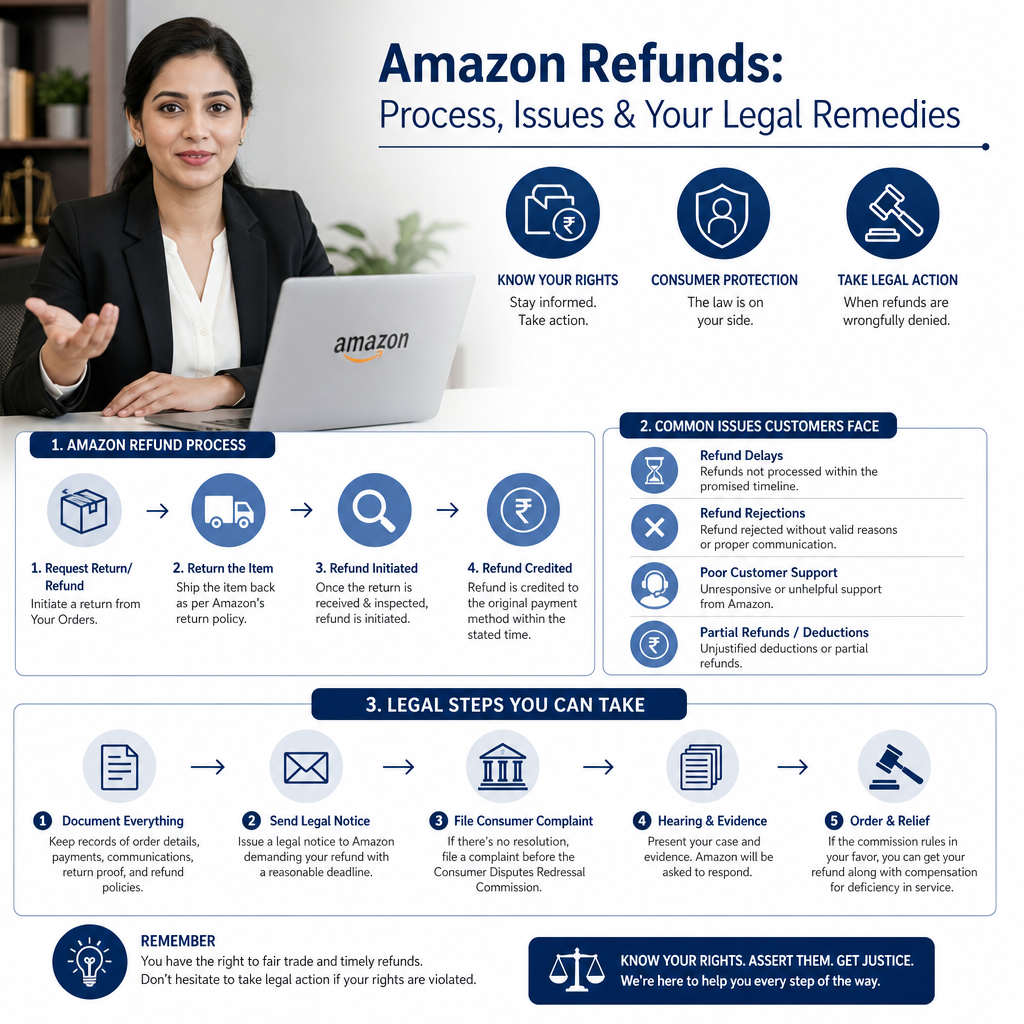
If a seller or service provider owes you a refund, complain to the business first and keep its ticket number or reply. You can then approach the National Consumer Helpline at consumerhelpline.gov.in or 1915. If the issue remains unresolved, consumer cases can be filed through e-jagriti.gov.in. These are routes for consumer disputes, not a way to recover a private loan. Our consumer refund guide can help you organise the order, payment and complaint records.
If you suspect fraud rather than ordinary non-payment
A broken promise is painful, but it is not automatically cheating. In an April 2025 decision, the Supreme Court reiterated that failure to honour a promise to pay does not alone establish dishonest intent from the beginning. Police reporting is appropriate when there is evidence that may meet the legal requirements for an offence, such as deception used to obtain the money, not simply because someone has missed a repayment date.
If you have just lost money to suspected online financial fraud, act immediately rather than waiting for a demand deadline: report it at cybercrime.gov.in or call 1930. Preserve transaction details, messages and account information for the report.
How long can you wait before taking action?
A few more days of negotiation may be sensible. Waiting indefinitely is not. For money lent, Article 19 of the Limitation Act, 1963 generally provides a three-year period, but when time starts and which limitation rule applies depend on the claim. Different transactions can have different starting points. If a deadline might be close, seek legal advice promptly instead of relying on another reminder.
Under section 18 of the Limitation Act, an acknowledgment signed by the person owing the money before the existing limitation period expires can start a fresh period. An ordinary reminder or legal notice does not, by itself, extend your filing time. Do not assume a late promise fixes an already expired deadline. For more detail, check the time limit for a money recovery case against the dates in your own records.
A bounced cheque needs especially quick attention. Keep the cheque and the bank’s return memo. Under section 138 of the Negotiable Instruments Act, 1881, the statutory written demand generally must be sent within 30 days of receiving information that the cheque was dishonoured. If the drawer does not pay within 15 days of receiving that demand, the complaint must generally be filed within the following month. These are statutory deadlines, unlike the suggested 7-to-15-day window for an ordinary written demand. A cheque case also requires an underlying legally enforceable debt; the returned cheque is not an automatic win.
There is no reliable number of days in which an ordinary notice will recover your money. A settlement may happen within days or weeks, while a contested case can take months or years. Even after an order, enforcement may be necessary. That uncertainty is a reason to document the claim and act in time, not a reason to do nothing.
A manageable plan for this week
If you feel overwhelmed, do only the next useful thing. Today, calculate the unpaid balance and place your proof in one folder. Tomorrow, write the transaction timeline and send a factual demand with a clear deadline. Then note that deadline in your calendar. If a cheque has bounced or you may be close to a limitation deadline, get advice immediately rather than following this slower sequence.
When the deadline passes, review what happened. If the person offers part-payment, decide whether the proposed dates are workable and confirm them in writing. If they dispute the amount, ask for the document or calculation behind their position. If there is silence, consider a legal notice and the recovery route that fits your claim. The guide on what to do when a legal notice is ignored explains that next decision without treating silence as a guaranteed victory.
Finally, compare the likely time and cost of escalation with the amount owed. You can be firm about repayment while remaining open to a sensible settlement. Getting your money back begins with a claim you can explain, evidence you can find, and one documented step at a time.
Popular Searches & Related Topics

Legal Recovery is India's trusted consumer protection and legal tech platform. We specialize in holding corporations accountable for unfair trade practices, deceptive marketing, and commercial fraud. With over 15,000 customers counselled, our mission is to provide fast, out-of-court resolutions by connecting you with top-tier panel advocates for immediate legal action.
Client Reviews
"My former employer had not cleared my full and final settlement. LegalRecovery helped organise my records and prepare a clear legal notice. The employer responded and we agreed on payment dates. I appreciated the professional updates throughout."
Ananya Mehta
"A coaching institute was delaying my refund even after several follow-ups. LegalRecovery helped me present the payment and cancellation records clearly and sent a formal notice. The institute processed the refund afterward, and the online follow-up process was easy to manage."
Rohit Sharma
"My landlord was holding back my security deposit and giving unclear reasons for deductions. LegalRecovery helped me set out the facts and request an itemised explanation in a formal notice. We reached a settlement, and I found the communication clear and respectful."
Priya Nair
"A client had left my freelance invoice unpaid despite repeated reminders. LegalRecovery helped me organise the invoice, work records, and payment history into a formal demand. The client responded and paid the outstanding amount. The process felt structured and saved me from handling every follow-up alone."
Arjun Patel
Frequently Asked Questions
Related Articles
About Author
Team LegalRecovery
View ProfileTeam LegalRecovery is a dedicated team of legal and financial professionals specializing in loan settlement, banking disputes, debt relief, and corporate compliance. We are committed to helping clients achieve debt freedom and business stability through expert strategic advisory.
Connect on LinkedInNeed Legal Help?
Get expert advice on loan settlement, banking disputes and debt relief.
Start Recovery NowRequest Callback