Amazon, Flipkart or Meesho Holding Seller Payouts? Recover Now (2026)
amazon flipkart seller payment on hold legal notice, amazon seller account deactivated funds withheld recovery, flipkart spf claim rejected legal notice, meesho seller payment hold recovery, account level reserve amazon india legal notice, rbi payment aggregator nodal account settlement rules

Table of Contents
Table of Contents
Swipe →Few events hit an Indian online seller harder than waking up to a suspended store account. You open your Amazon Seller Central, Flipkart, or Meesho app to check daily sales. Instead of your sales graph, you see a red warning banner. Your account is blocked. Even worse, the platform has locked your entire cash balance under an Account Level Reserve. Overnight, anywhere from 1 lakh to 25 lakh rupees of your working cash is frozen.
When you ask seller support for help, you get robotic copy-paste emails. They tell you that your funds are on hold to cover buyer claims. They ask you to wait 90 days. But when 90 days pass, the payout button stays grey. If you raise a Seller Protection Fund or SPF claim for swapped or damaged returns, the platform bot rejects it in minutes. Many sellers feel trapped, thinking the platform has the legal right to keep their money forever.
That belief is completely wrong under Indian law. E-commerce platforms operate as market facilitators, not as courts or police. They cannot confiscate your money at will. Once the buyer return window shuts, holding your funds is an unlawful penalty under the Indian Contract Act. This guide breaks down the exact legal steps to audit your frozen ledger, defeat fake SPF claim rejections, and recover your money fast.
Why Marketplaces Freeze Seller Balances After Suspension
Online marketplaces care about their own risk before your cash flow. When an algorithm flags an account, it acts instantly. The trigger could be a spike in order defect rate, a fake copyright complaint, or a minor GST portal mismatch. The moment the account is flagged, the system stops all weekly bank transfers.
The platform puts your money into a reserve pool. It claims this pool protects buyers from bad orders, late deliveries, or fake goods. In the first 30 days of a dispute, holding a reasonable reserve is common practice. It lets the platform settle genuine customer returns and card chargebacks.
The real trouble starts after those initial 30 days. Most consumer returns in India must be filed within 7 to 10 days of delivery. Even credit card chargebacks face strict filing cutoffs. Yet platforms keep 100 percent of the seller funds locked for months. They cut off your phone support. They stop answering help desk tickets. Without formal legal pressure, your cash stays stuck in their bank account while your suppliers demand payment.
The 90-Day Fallacy: Why Marketplaces Cannot Hold Funds Indefinitely
Every seller has heard the standard 90-day rule from seller support. Platform staff claim that funds cannot be released until 90 days have passed from the suspension date. Many sellers wait patiently for three full months, hoping for an automatic payout on day 91. But that automatic release rarely happens.
When the 90-day mark arrives, the platform often sends another templated email. They claim your account needs more review, or they demand impossible documents. In many cases, they simply ignore your payout emails. This endless delay violates basic contract law in India.
Under Section 73 and Section 74 of the Indian Contract Act, 1872, no party can levy an arbitrary financial penalty. A contract clause that allows an e-commerce platform to keep all your sales revenue without proving actual loss is void. The platform must prove exact rupee losses caused by customer claims. If they cannot prove that buyers claimed that money, they must pay you every single rupee.
Reserve Bank of India guidelines also govern payment aggregators. Marketplaces use nodal or escrow bank accounts to hold merchant money. By law, these funds are held in trust for the seller. The platform is not a bank. It cannot treat merchant sales proceeds as its own balance sheet asset.
Differentiating Account Reinstatement from Fund Recovery
To win this battle, you must understand a key legal distinction. Reopening a suspended seller account is very different from recovering your locked money. Mixing these two goals is the primary reason why sellers waste valuable time and money.
Account reinstatement is mostly an internal platform choice. If Amazon or Flipkart decides that they do not want your store on their site, courts rarely force them to host you. Selling on a marketplace is a private commercial service. Arguing over policy points with seller support often leads nowhere.
Recovering your cleared sales funds is completely different. That is an absolute statutory right under Indian property and contract law. Even if your store remains closed forever, the money from past sales belongs to you. You delivered the goods, customers accepted the orders, and the platform collected the cash.
- The Appeal Route: Submitting a Plan of Action to internal performance teams to ask for store access.
- The Recovery Route: Serving a statutory legal demand to release all cleared funds once buyer return dates pass.
Stop begging support reps to restore your selling privileges if they keep saying no. Shift your focus to recovering your hard cash. Once your legal counsel demands the funds, the dispute moves away from automated bots and reaches the company legal desk in Bengaluru or Gurgaon.
Financial Reconciliation and Disputing Wrongful SPF Rejections
Before you issue a formal legal demand, you need an exact calculation of what the platform owes you. Do not rely on the summary figure on your home screen. Marketplaces often deduct surprise storage fees, return fees, and ad costs after an account is suspended.
Download your complete payment transaction reports immediately. If your login is partially blocked, use older settlement sheets and GST returns to rebuild your ledger. Match every shipped order against successful deliveries and actual customer returns. Note down every single order where the buyer kept the item but the payout was held.
Next, audit your rejected Seller Protection Fund or SPF claims. On Flipkart and Meesho, SPF claims are a major source of lost money. Fraudulent buyers often return torn clothes, used shoes, or empty boxes filled with soap. Sellers file SPF claims with packing slips and unboxing videos, but platform teams reject them on silly grounds like blurry photos.
Arbitrary rejection of valid SPF claims is an unfair trade practice. Under Rule 4 and Rule 5 of the Consumer Protection (E-Commerce) Rules, 2020, marketplaces must run transparent grievance systems. When a platform enables buyer fraud by rejecting clear video evidence, it breaches its duty of care. Every rejected SPF claim must be added to your total recovery bill.
Common Marketplace Excuses and How the Law Defeats Them
When you demand your locked funds, marketplace support teams rely on a familiar set of excuses. Understanding why these excuses fail under Indian law gives you immense confidence during negotiations.
The first excuse is the trademark or authenticity complaint. A competing seller or brand owner files an infringement notice against your listing. The platform blocks your store and locks all your money. But an unproven claim does not justify keeping funds from unrelated, genuine orders. If you sold genuine phone cases or clothes, the platform cannot freeze proceeds from those sales just because one brand complained about a different product.
The second excuse is the high return rate or order defect rate. The platform argues that future buyers might return items. But this excuse dies once 60 to 90 days pass. By day 90, every package has either been delivered or returned. No buyer can file a return three months later under platform rules. Holding a reserve for non-existent returns is pure bad faith.
The third excuse is the unilateral right of set-off. Marketplaces claim that their seller agreement gives them the right to deduct arbitrary penalty fees. However, Indian courts have repeatedly held that set-off can only apply to admitted or legally proven debts. A platform cannot invent a penalty figure, deduct it from your sales cash, and refuse to show accounting proof.
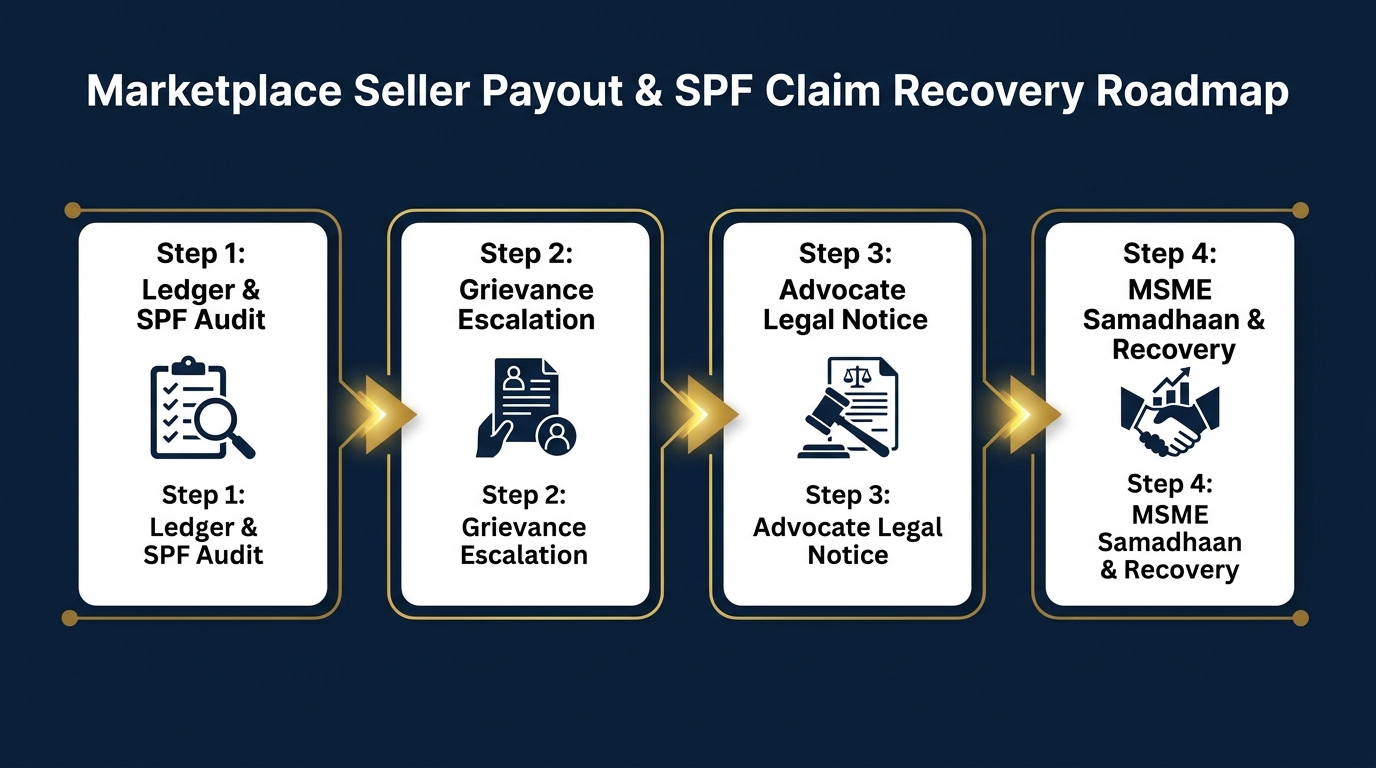
Visual Dispute Resolution & Recovery Framework
Statutory Laws That Force Amazon and Flipkart to Pay
When internal tickets fail, Indian statutes give you immense legal leverage. Large tech companies know that their standard seller terms cannot override the law of the land. Here are the core legal grounds you can use to force immediate payment:
- Indian Contract Act, 1872 (Section 73 and 74): Forfeiture of earned revenue is illegal. Marketplaces cannot keep your sales proceeds without proving exact damages in court.
- RBI Payment Aggregator Directions: Money held in nodal and escrow accounts belongs to the merchant. The platform cannot hold settled funds indefinitely once customer chargeback windows lapse. Read our guide on payment gateway holding funds legal notice for regulatory rules.
- Bharatiya Nyaya Sanhita, 2023 (Section 316): Withholding merchant money held in trust amounts to criminal breach of trust. When a platform keeps funds after all customer returns are done, it crosses into illegal retention.
- MSMED Act, 2006 (Section 15 to 24): If you have an active Udyam Certificate, the buyer or aggregator must clear payments within 45 days. Unpaid balances incur compound interest at three times the RBI bank rate. Check our resource on B2B vendor payment recovery for MSME recovery rules.
- Arbitration and Conciliation Act, 1996: Seller agreements contain arbitration clauses. Threatening formal arbitration under Section 21 forces the corporate legal team to settle early to avoid heavy tribunal fees.
How to Draft the Advocate Demand Notice Step by Step
A weak email will get lost in a support queue. To get the attention of corporate decision-makers, you must serve a formal Advocate Legal Demand Notice. This document carries statutory weight and triggers mandatory legal review.
First, identify the correct corporate entity. In India, e-commerce stores operate through registered private limited companies. For Flipkart seller disputes, address the notice to Flipkart Internet Private Limited at Embassy Tech Village in Bengaluru. For Amazon sellers, name Amazon Seller Services Private Limited in Bengaluru. For Meesho, name Fashnear Technologies Private Limited in Bengaluru.
Second, state your facts with clear dates and numbers. Mention your registered firm name, GSTIN, seller account ID, and registered bank details. List the exact date of account deactivation. State the total gross sales delivered, the total returns processed, and the final net balance due on the day the 90-day window expired.
Third, attach solid documentary proof. Include your master payment reconciliation sheet, your original tax invoices, and key SPF rejection screenshots. State clearly that retaining undisputed funds violates Section 73 of the Contract Act and RBI payment directives. Give them a strict 15-day deadline to transfer the entire amount plus interest into your bank account.
Escalation Protocol: From Legal Notice to Arbitration and MSME Council
To get your money back without endless delays, follow this structured four-step recovery protocol developed by commercial recovery advocates:
- Step 1: Escalate to the Resident Grievance Officer: Do not just email general seller support. Send a formal legal representation to the statutory Grievance Officer named on the marketplace website. State your seller ID, order volume, frozen balance, and the exact date when the return period ended. Give them 15 days to respond.
- Step 2: Serve an Advocate Legal Demand Notice: If the Grievance Officer fails to release your cash, hire a lawyer to issue a formal Legal Notice. Deliver this notice by registered post and email to the corporate office. For Amazon, send it to Amazon Seller Services Private Limited in Bengaluru. For Flipkart, send it to Flipkart Internet Private Limited in Bengaluru. You can use our unpaid invoice recovery legal notice format and immediately send an Advocate Notice to Amazon/Flipkart/Meesho Legal Nodal Officer.
- Step 3: File with the MSME Samadhaan Council: If you are a registered Micro or Small business, lodge a claim on the MSME Samadhaan portal. The council will summon marketplace representatives for conciliation. If they fail to settle, the council passes an enforceable order. See our insights on commercial court summary suit recovery Delhi Mumbai Bangalore.
- Step 4: Invoke Pre-Arbitration Dispute Notice: If you are not an MSME, issue a notice of dispute under the arbitration clause of your seller contract. Arbitrations are expensive for tech platforms. Corporate legal teams almost always prefer releasing your undisputed balance over hiring senior advocates for tribunal hearings.
Seller Payout Recovery Calculation Matrix
When you demand your money, do not ask only for the basic balance shown on your screen. You have the right to claim delayed interest, wrongfully rejected SPF amounts, and legal notice costs. You can calculate your exact interest claim using our delayed payment interest calculator.
Below is a typical recovery claim breakdown for a seller whose funds were frozen for four months without legal cause:
| Claim Item Description | Platform Stand | Legal Statutory Right | Actual Claim Amount |
|---|---|---|---|
| Frozen Seller Ledger Balance | Held under 90-day reserve rule | Mandatory release after return window closes | ₹12,50,000 |
| Wrongfully Rejected SPF Claims | Rejected by automated bot reviews | Section 16 Sale of Goods Act warranty | ₹1,85,000 |
| Post-Suspension Storage Fees | Deducted while stock was locked | Section 73 Contract Act (illegal deduction) | ₹64,000 |
| Delayed Payment Statutory Interest | Platform claims zero interest policy | 18% annual interest under Section 73 | ₹1,27,500 |
| Legal Notice and Advocate Costs | Not accepted by support bots | Code of Civil Procedure cost provisions | ₹35,000 |
| Total Enforceable Legal Claim | Zero Payout Allowed by System | Airtight Pre-Arbitration Demand | ₹16,61,500 |
Dispute Resolution Forum Comparison for Marketplace Sellers
Picking the right legal forum ensures you get your money back quickly. Depending on your business setup, several statutory options exist in India:
| Legal Forum Option | Governing Indian Law | Typical Time to Resolve | Expected Recovery Rate | Final Legal Effect |
|---|---|---|---|---|
| Advocate Legal Notice to Nodal Team | Section 73 Contract Act & RBI Rules | 15 to 30 Days | 75% to 80% Early Settlement | Direct Bank Account Credit |
| MSME Samadhaan Council | Section 18 MSMED Act, 2006 | 60 to 90 Days | High for registered small units | Executable as a Court Decree |
| Commercial Court Mediation | Section 12A Commercial Courts Act | 30 to 60 Days | Moderate to High settlement rate | Binding as a Civil Judgment |
| Sole Arbitrator Tribunal | Arbitration & Conciliation Act, 1996 | 4 to 8 Months | Very High for clear ledger dues | Enforceable under Section 36 |
| National Consumer Helpline Escalate | Consumer Protection Rules, 2020 | 30 to 45 Days | Moderate pressure on compliance | Direct regulatory mediation |
Do not let automated e-commerce bots bully your business. If Amazon, Flipkart, or Meesho has locked your payouts or rejected your SPF claims, the law is on your side. Take formal legal action today to protect your cash flow and get every rupee back into your bank account.
Popular Searches & Related Topics

Legal Recovery is India's trusted consumer protection and legal tech platform. We specialize in holding corporations accountable for unfair trade practices, deceptive marketing, and commercial fraud. With over 15,000 customers counselled, our mission is to provide fast, out-of-court resolutions by connecting you with top-tier panel advocates for immediate legal action.
Client Reviews
"Amazon froze ₹14.8 Lakhs in Account Level Reserve after suspending our electronics seller account. Support bots kept repeating the 90-day policy for five months. Team LegalRecovery drafted a sharp Advocate Notice to the Nodal Officer in Bengaluru. Within 22 days, the full balance was credited to our bank account."
Rajesh Khandelwal
"Flipkart arbitrarily rejected 42 consecutive SPF claims worth ₹3.2 Lakhs for swapped apparel returns. LegalRecovery prepared a master reconciliation notice citing E-Commerce Rules and Contract Act provisions. Flipkart legal team reviewed the dossier and approved 100% of our reimbursement claims."
Pooja Singhania
"Meesho held ₹6.5 Lakhs of our firm's payouts after account deactivation citing courier fraud. Sending a formal legal demand notice completely turned the tables. The marketplace counsel contacted us directly and cleared the complete pending payment within two weeks."
Amitabh Sen
"Outstanding commercial recovery service for e-commerce sellers. Our footwear brand had ₹19 Lakhs locked in Amazon India reserve. The team's deep understanding of RBI nodal regulations and Section 74 Contract Act forced immediate disbursement."
Vikramaditya Rao
"We had lost all hope after four months of automated rejection emails from Flipkart Seller Support. LegalRecovery's structured legal notice and arbitration threat resolved our ₹8.4 Lakh payout dispute swiftly without going to court."
Naveen Sundaram
Frequently Asked Questions
Related Articles
Flipkart or Amazon OBD Refund Rejected After OTP? Recover Now (2026)
flipkart open box delivery refund rejected legal notice, amazon otp shared defective product refund denied, open box delivery hidden motherboard screen defect refund, flipkart service center replacement denial refund recovery, consumer protection e-commerce rules open box delivery, how to get refund from flipkart after open box delivery
Read Article
Amazon or Flipkart Investigation Denied Refund? Legal Recovery Fix
amazon investigation completed no refund wrong item received, flipkart rejected refund after investigation wrong product, amazon ofm account warning refund denied legal notice, received empty box or wrong item amazon refund denied, unboxing video evidence consumer court ecommerce, how to challenge amazon internal investigation refund rejection, section 106 bharatiya sakshya adhiniyam ecommerce burden of proof, airway bill dead weight scan hub discrepancy, consumer protection ecommerce rules 2020 refund delay liability, visa mastercard chargeback reason code 13 3 defective merchandise
Read Article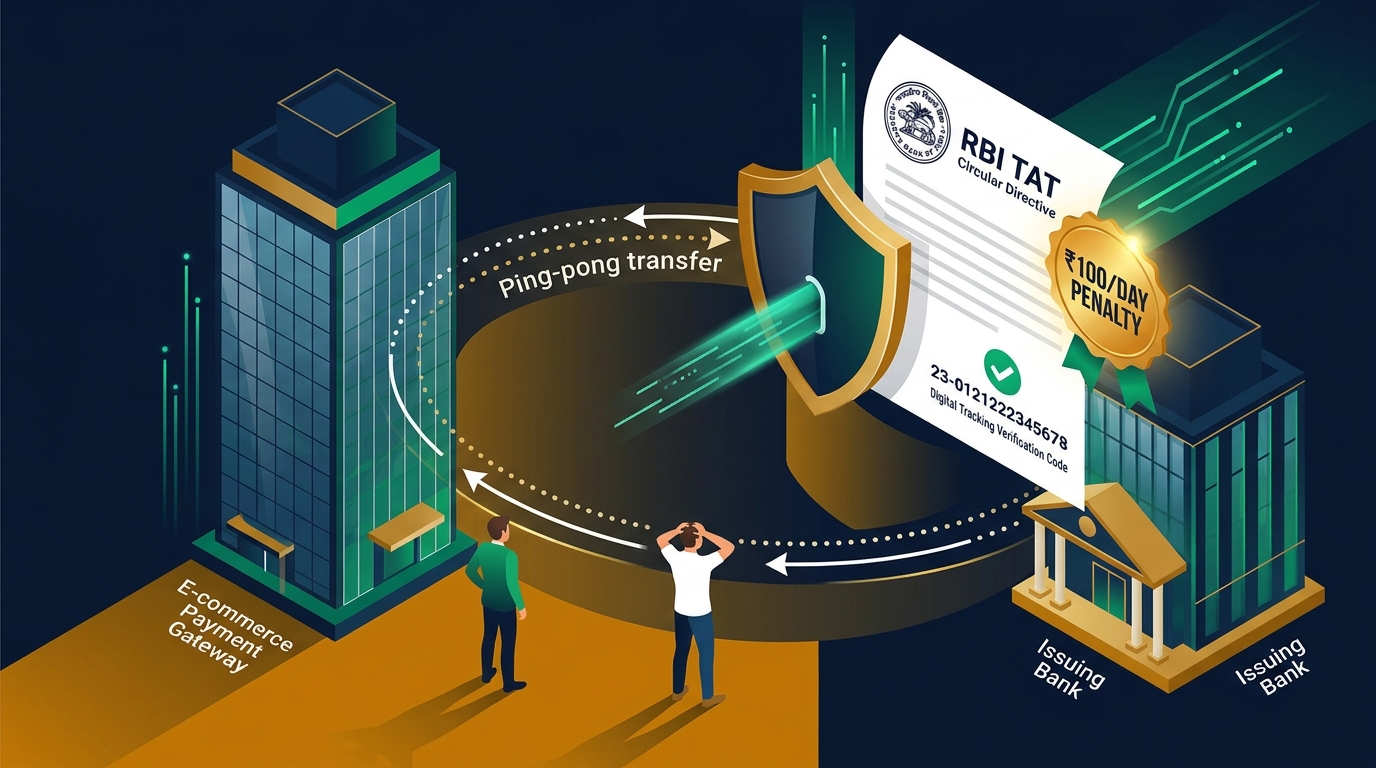
Amazon or Flipkart Refund Stuck in Bank? Claim ₹100/Day RBI Penalty
amazon refund initiated with arn but not credited, flipkart refund rrn number not credited to bank account, rbi 100 rupees per day penalty for delayed refund, credit card refund stuck between merchant and issuing bank, verify real 23 digit arn number visa mastercard, 12 digit upi rrn reference number tracking, rbi circular turnaround time failed transaction compensation, payment gateway acquiring bank settlement certificate, rbi integrated ombudsman scheme cms complaint against bank, consumer protection ecommerce rules 2020 refund delay liability
Read Article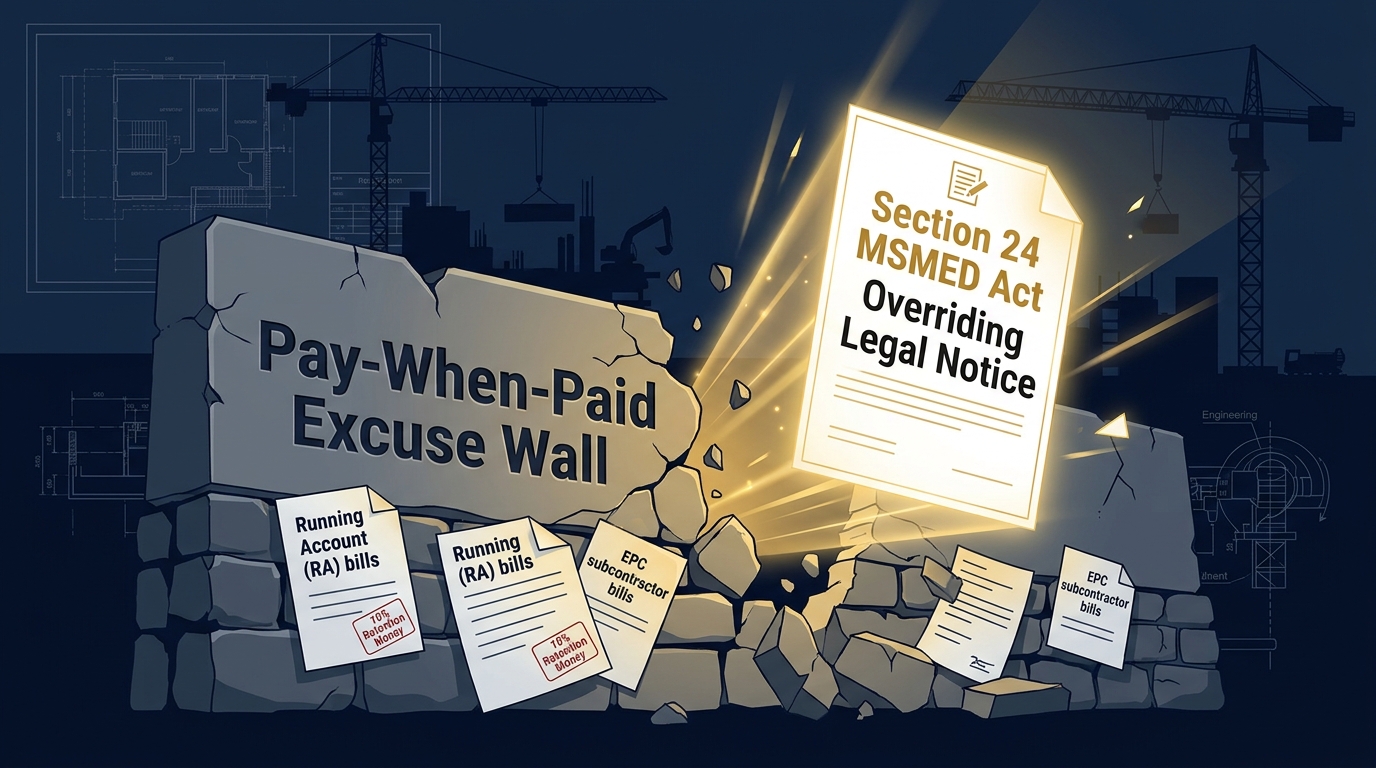
Contractor Holding Retention Money or RA Bills? Recover Now (2026)
subcontractor retention money recovery legal notice india, pay when paid clause validity in india, back to back payment clause subcontractor recovery, contractor not releasing retention money defect liability period, section 24 msmed act overriding effect pay when paid, commercial dispute running account bills recovery
Read ArticleAbout Author
Anuj Anand Malik
View ProfileAnuj Anand Malik, Founder of AMA Legal Solutions, is a trusted advocate, loan settlement expert, legal advisor, and banking lawyer. With over a decade of experience in loan settlement, corporate law, financial disputes, and compliance, he leads a result-driven law firm based in India that helps individuals, startups, and businesses achieve legal and financial stability.
Connect on LinkedInNeed Legal Help?
Get expert advice on loan settlement, banking disputes and debt relief.
Start Recovery NowRequest Callback