Send a Legal Notice Online in India Without a Lawyer
Learn how to send a legal notice online in India easily.
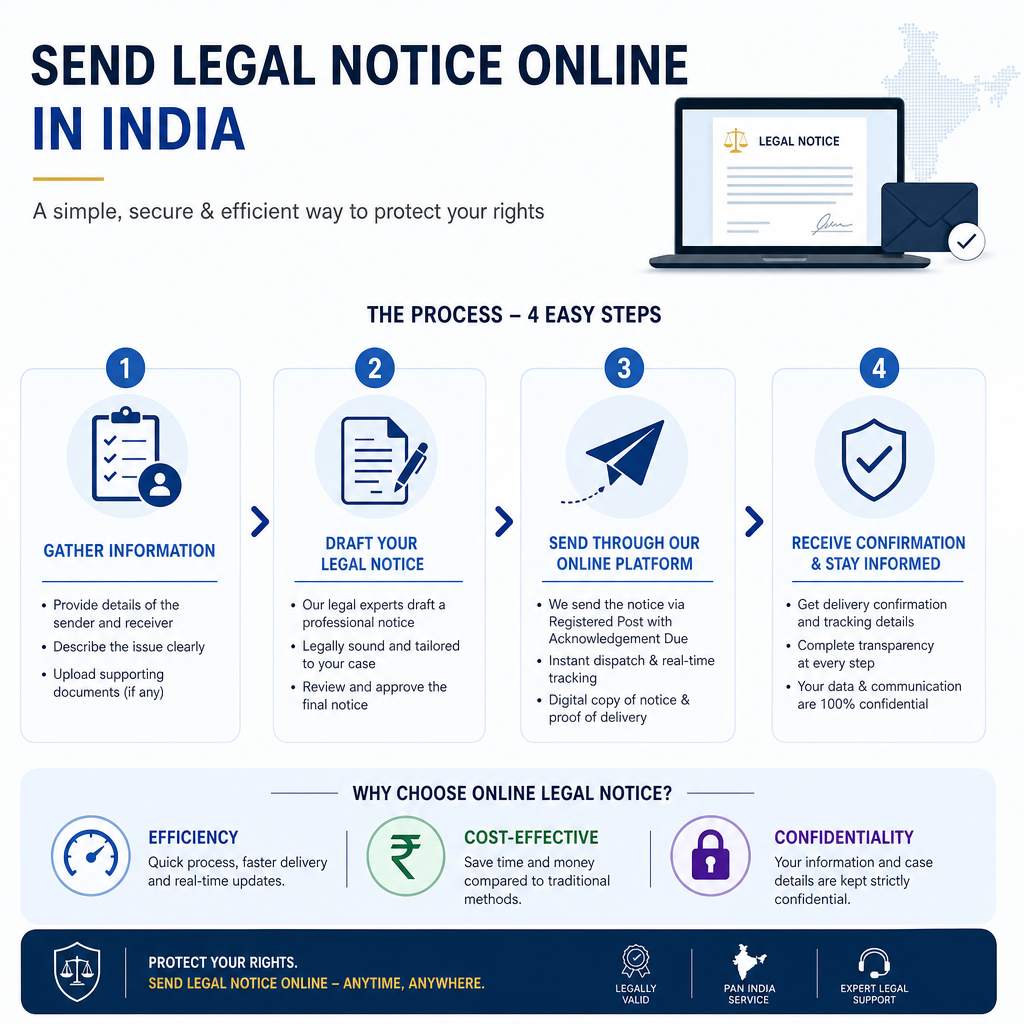
Table of Contents
Table of Contents
Swipe →Understanding the Concept of Legal Notices in India
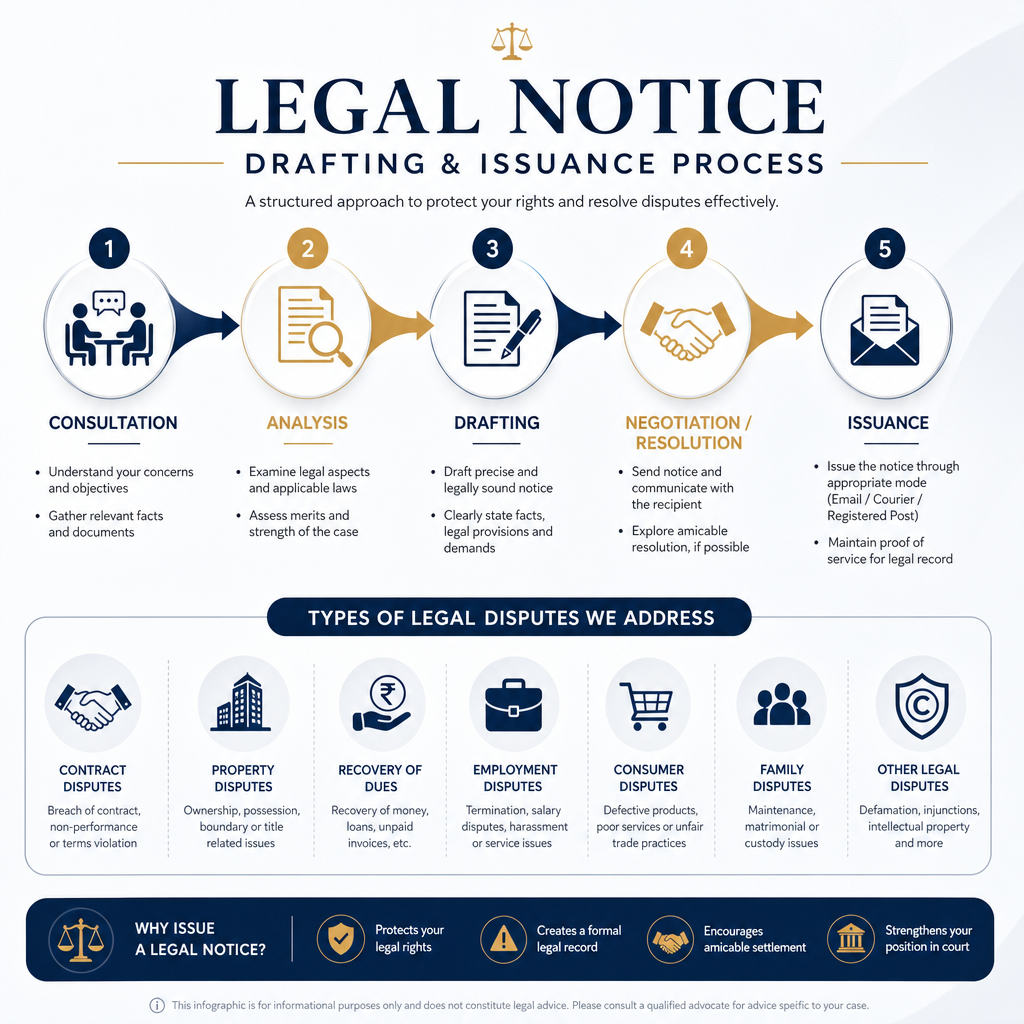
Legal notices serve as a formal communication tool and are utilized to alert an individual or entity regarding the intention to initiate legal proceedings. They provide the recipient an opportunity to resolve the issue amicably before it escalates to court. In India, sending a legal notice is a common precursor to filing a lawsuit, and it can be an effective way to assert your legal rights while potentially avoiding lengthy litigation.
With the advancements in technology and online legal services, sending a legal notice has become increasingly accessible. Individuals can now send legal notices online without the necessity of hiring a lawyer. This article will guide you through the process, detailing every step and consideration to ensure that your legal notice is effective, compliant with Indian laws, and serves its intended purpose of dispute resolution.
Legal Framework Governing Legal Notices in India
Legal notices are governed by various statutes depending on the nature of the dispute. Understanding the relevant legal framework is crucial for drafting an effective notice. Several statutes in India address different types of disputes, such as the Payment of Wages Act, the Shops and Establishments Act, the Gratuity Act, and the Negotiable Instruments Act (NI Act), among others.
The Payment of Wages Act, 1936, for instance, provides guidelines for the timely disbursement of wages to employees. If an employer fails to comply, the employee can serve a legal notice demanding immediate payment. Similarly, the Shops and Establishments Act regulates the working conditions in shops and commercial establishments and can be invoked in disputes related to employment terms.
The Gratuity Act, 1972, mandates the payment of gratuity to employees upon termination of employment, provided specific conditions are met. Failure to pay gratuity can lead to legal disputes where a legal notice serves as the first step toward recovery. The Negotiable Instruments Act, 1881, widely used in cheque bounce cases, stipulates the issuance of a legal notice within 30 days from the date of cheque dishonor.
Understanding these legal frameworks is essential to ensure that your legal notice is issued under the correct statutory provisions, which strengthens your position in any subsequent legal proceedings.
Benefits of Sending a Legal Notice Online
Opting to send a legal notice online rather than through traditional means offers several advantages. Firstly, it is more cost-effective. Engaging a lawyer can be an expensive affair, whereas online services offer a budget-friendly alternative without compromising on quality. This is particularly advantageous for individuals or small businesses operating on tight budgets.
Secondly, sending a legal notice online is significantly more efficient and faster. Traditional methods involve physical visits to a lawyer's office, which can be time-consuming. Online services eliminate these logistical challenges by providing templates and guidance that streamline the process, allowing you to send a notice within a few clicks.
Moreover, online legal notice services are accessible 24/7, enabling you to proceed at your convenience without being restricted to office hours. The platform provides user-friendly interfaces and step-by-step instructions, making the process straightforward even for those without legal expertise.
Lastly, confidentiality is another significant advantage. Online platforms implement stringent security measures to protect your information, maintaining the privacy and integrity of your legal communications. This benefit is particularly relevant for sensitive disputes where privacy is a concern.
Step-by-Step Guide to Sending a Legal Notice Online
Sending a legal notice online without the assistance of a lawyer requires a structured approach to ensure compliance with legal standards and effectiveness in its purpose. Follow these steps to draft and send your legal notice:
1. Identify the Purpose and Gather Information
Begin by clearly identifying the purpose of your legal notice. Whether it's a demand for payment under the Payment of Wages Act, a grievance related to property disputes, or issues under the NI Act, clarity of purpose is key. Once identified, gather all relevant information and documents that support your claim. This may include contracts, emails, transaction receipts, and any other pertinent evidence.
2. Choose a Reliable Online Legal Service
Select a reputable online legal service like Legal Recovery, known for providing efficient and reliable services for sending legal notices. Visit their How It Works page to understand their process and the scope of their services. Ensure the service offers secure and confidential handling of your legal documents.
3. Draft the Legal Notice
Using the platform, begin drafting your legal notice. While most services offer templates, personalize your notice by including specific details relevant to your case. The notice should clearly outline the issue, the legal basis for your claim, and the relief or action you seek. Be concise yet comprehensive to avoid any ambiguity.
Include the following components in your legal notice:
Sender’s Details: Name, address, and contact information.
Recipient’s Details: Name and address of the individual or entity to whom the notice is addressed.
Subject: A brief heading indicating the purpose of the notice.
Body: A detailed account of the facts, legal grounds for the claim, and the relief sought.
Timeline: Specify a reasonable timeframe within which the recipient must respond or comply.
4. Review and Finalize
Before sending the notice, thoroughly review the content for accuracy and completeness. Check for grammatical errors and ensure that all relevant facts and legal citations are correctly included. If the online service provides, seek a review by a legal expert to enhance the notice's effectiveness.
5. Send the Notice
Once finalized, proceed to send the notice via the online platform. Most services provide an option to send the notice electronically and deliver a physical copy via post, ensuring the recipient receives it in a verifiable manner. Retain a copy of the notice and the proof of delivery as it may be required in future proceedings.
Statutory Recovery Metrics & Resolution Benchmark
Disputes resolved via formal statutory legal demand notices.
Average statutory compliance response timeline.
Mandatory refund of statutory levies under Indian Acts.
Interest compensation claimable under MSME & NI Acts.
Evidence and Documentation Required
Evidence plays a crucial role in the effectiveness of a legal notice. Proper documentation not only substantiates your claims but also strengthens your position in any potential legal proceedings. Here’s a comprehensive list of evidence you may need to gather:
Contracts and Agreements: Any formal agreements related to the dispute serve as primary evidence.
Correspondence: Emails, letters, texts, or any form of communication exchanged between parties.
Financial Transactions: Bank statements, cheques, invoices, and receipts that are relevant to the case.
Employment Documents: Offer letters, appointment letters, and salary slips relevant to employment disputes.
Property Documents: Title deeds, lease agreements, and any other documents for property-related issues.
Ensure that all documents are organized and readily accessible. Providing complete documentation facilitates smoother dispute resolution and enhances the credibility of your notice.
Case Studies: Successful Online Legal Notice Resolutions
To illustrate the effectiveness of online legal notices, consider these case studies:
Case Study 1: Employment Dues Recovery
Mr. Sharma, an IT professional, was denied his final salary and gratuity by his employer after resigning. He utilized Legal Recovery’s Recovery of Salary and Employment Dues service to send a legal notice online. With all employment documents in order, the notice prompted a swift settlement, and his dues were cleared within a month, avoiding court proceedings.
Case Study 2: Property Dispute Resolution
Ms. Kapoor faced delays in possession of her flat from a builder. Through an online legal service, she sent a notice citing non-compliance with the builder-buyer agreement. The detailed legal notice compelled the builder to expedite possession, demonstrating the power of a well-crafted online notice in property disputes.
Case Study 3: Consumer Grievance Settlement
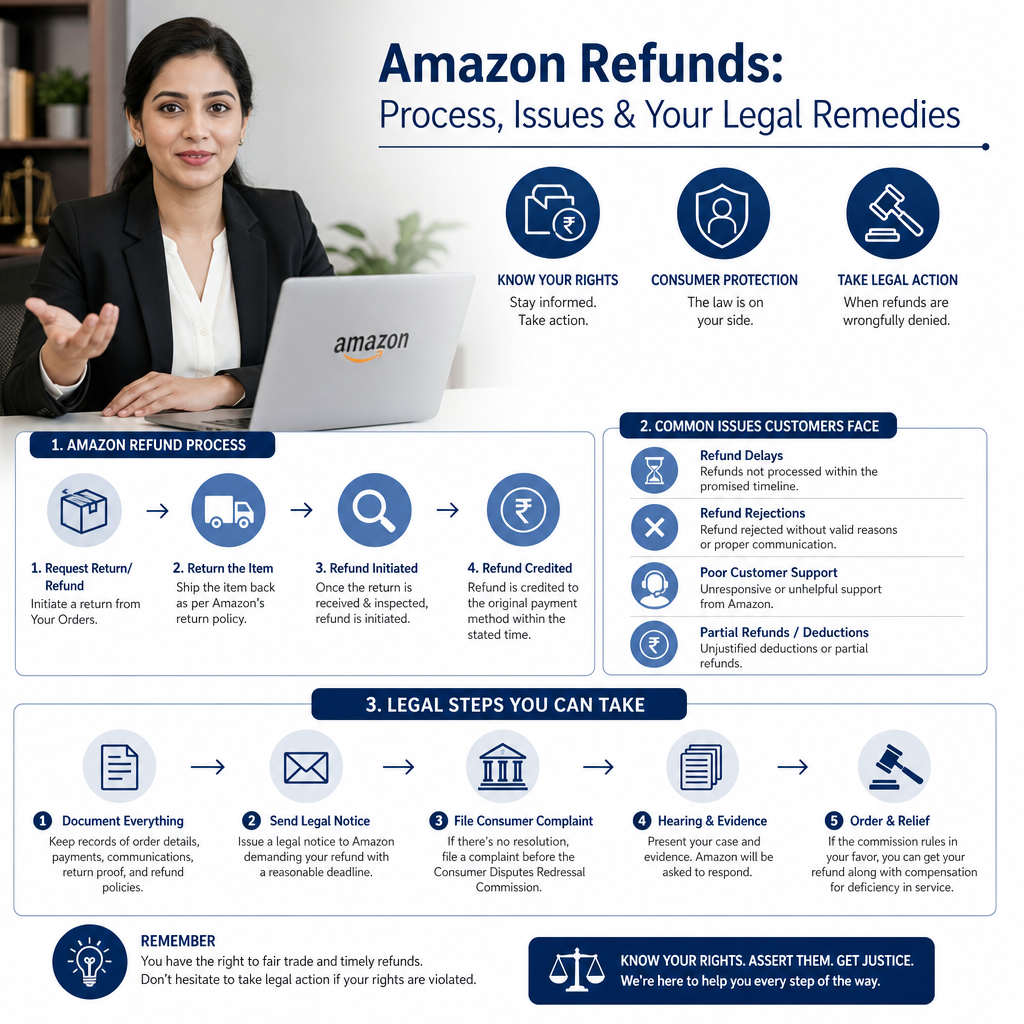
An online shopper, Mr. Ahmed, received defective goods and was denied a refund. Using an online platform, he issued a legal notice to the retailer under the Consumer Protection Act. The retailer, aiming to avoid court action, offered a replacement, illustrating the utility of legal notices in consumer complaints.
Potential Challenges and How to Overcome Them
While sending legal notices online offers numerous benefits, there are potential challenges to be aware of:
1. Recipient Non-Response
One common challenge is a lack of response from the recipient. To mitigate this, ensure that your notice is compelling and clearly outlines the consequences of non-compliance. Consider providing a follow-up notice or seeking advice from an online legal expert if the initial notice is ignored.
2. Incorrect Legal Grounds
Drafting a notice based on incorrect legal grounds can weaken your case. Conduct thorough research or utilize services that provide legal consultations to verify the legal basis of your claims before sending the notice.
3. Difficulty in Drafting
Individuals unfamiliar with legal terminology may find drafting a comprehensive notice challenging. Leverage templates and guidance available through online services to simplify the process. Online platforms like Legal Recovery offer resources and support to assist in drafting effective legal notices.
Conclusion: Empowering Individuals Through Online Legal Notices
The ability to send a legal notice online without hiring a lawyer empowers individuals to assert their legal rights accessibly and efficiently. By understanding the legal frameworks, utilizing reliable online services, and following structured guidelines, you can effectively navigate the process of sending a legal notice. Legal Recovery provides comprehensive services to assist in dispute resolution across various domains, from employment dues to property disputes and consumer complaints. Visit their services page to explore the full range of offerings designed to support your legal needs.
For further inquiries or personalized assistance, contact Legal Recovery via their Contact page to consult with their legal experts. Leverage the power of online legal notices to resolve disputes effectively and uphold your rights with confidence.
Popular Searches & Related Topics

Legal Recovery is India's trusted consumer protection and legal tech platform. We specialize in holding corporations accountable for unfair trade practices, deceptive marketing, and commercial fraud. With over 15,000 customers counselled, our mission is to provide fast, out-of-court resolutions by connecting you with top-tier panel advocates for immediate legal action.
Client Reviews
"Legal Recovery's online notice service was efficient and saved me a lot of time. The process was straightforward, and my issue was resolved swiftly."
Rohit Verma
"I had a great experience using this service. The templates provided made drafting a legal notice easy, and the follow-up support was excellent."
Aarti Menon
"Sending a legal notice online was simple and cost-effective. I avoided unnecessary legal fees and received excellent guidance on every step."
Vikram Singh
"I was impressed with the level of confidentiality and professionalism offered by Legal Recovery. My legal notice was handled efficiently, and my dispute was resolved amicably."
Priya Nair
"The online platform was user-friendly, and the step-by-step instructions made it easy to send a legal notice. I highly recommend this service for its convenience and effectiveness."
Suresh Iyer
Frequently Asked Questions
Related Articles
About Author
Team LegalRecovery
View ProfileTeam LegalRecovery is a dedicated team of legal and financial professionals specializing in loan settlement, banking disputes, debt relief, and corporate compliance. We are committed to helping clients achieve debt freedom and business stability through expert strategic advisory.
Connect on LinkedInNeed Legal Help?
Get expert advice on loan settlement, banking disputes and debt relief.
Start Recovery NowRequest Callback