How to Recover Your Full and Final Settlement from Your Employer
Navigate FNF Disputes with Legal Recovery Services

Table of Contents
Table of Contents
Swipe →Understanding Full and Final Settlement (FNF)
Full and Final Settlement, commonly referred to as FNF, is a critical process that marks the end of the employment relationship between an employee and their employer. It involves the settlement of all dues that the employer owes the employee, including salary, bonuses, leave encashment, and any other payable dues. The significance of a timely and accurate FNF cannot be overstated, as it ensures that the employee receives their rightful compensation, maintaining financial stability post-employment.
Legally, the FNF process must adhere to specific timelines and procedures. According to Indian labor laws, the employer is typically required to complete the FNF process within 30 to 45 days from the employee's last working day. However, disputes often arise when employers delay payments or fail to provide the correct amount. This is where understanding your legal rights and options becomes paramount.
In many cases, discrepancies in FNF arise due to misunderstandings, clerical errors, or deliberate delays by the employer. It is crucial for employees to be aware of their entitlements and the legal provisions available to ensure they are not deprived of their due payments.
Key Components of Full and Final Settlement
The Full and Final Settlement includes several components that need to be calculated accurately to ensure fairness and compliance with legal standards. These components typically include:
Unpaid Salary: Any outstanding salary for the days worked in the final month.
Bonuses and Incentives: Any performance-related bonuses or incentives that were due.
Leave Encashment: Payment for any unused paid leave that the employee was entitled to.
Gratuity: If applicable, gratuity for employees who have completed a minimum of five years in the organization.
Provident Fund (PF) Dues: Settlement of any pending provident fund contributions.
Understanding these components helps in identifying any discrepancies and strengthens your position in a dispute.
Statutory Recovery Metrics & Resolution Benchmark
Disputes resolved via formal statutory legal demand notices.
Average statutory compliance response timeline.
Mandatory refund of statutory levies under Indian Acts.
Interest compensation claimable under MSME & NI Acts.
Steps to Legally Recover Your FNF Settlement
1. Review Your Employment Contract and Company Policy
The first step in addressing any FNF dispute is to thoroughly review your employment contract and the company's FNF policy. These documents typically outline the terms under which dues are to be settled. Pay close attention to clauses relating to notice periods, severance pay, and any conditions that might affect your final settlement.
Having a clear understanding of these terms will give you a well-defined baseline for what you are entitled to, and it will also provide necessary documentation should you need to pursue legal action.
2. Communicate with Your HR Department
Before escalating the issue, attempt to resolve the dispute through direct communication with your employer or the HR department. It is often possible that the delay or discrepancy is an oversight that can be corrected without legal intervention.
Write a formal email or letter to the HR department clearly stating your concerns and request a detailed breakdown of your FNF settlement. Keep records of all communications as they may be useful if the issue is not resolved and you need to take further action.
3. Send a Formal Legal Notice
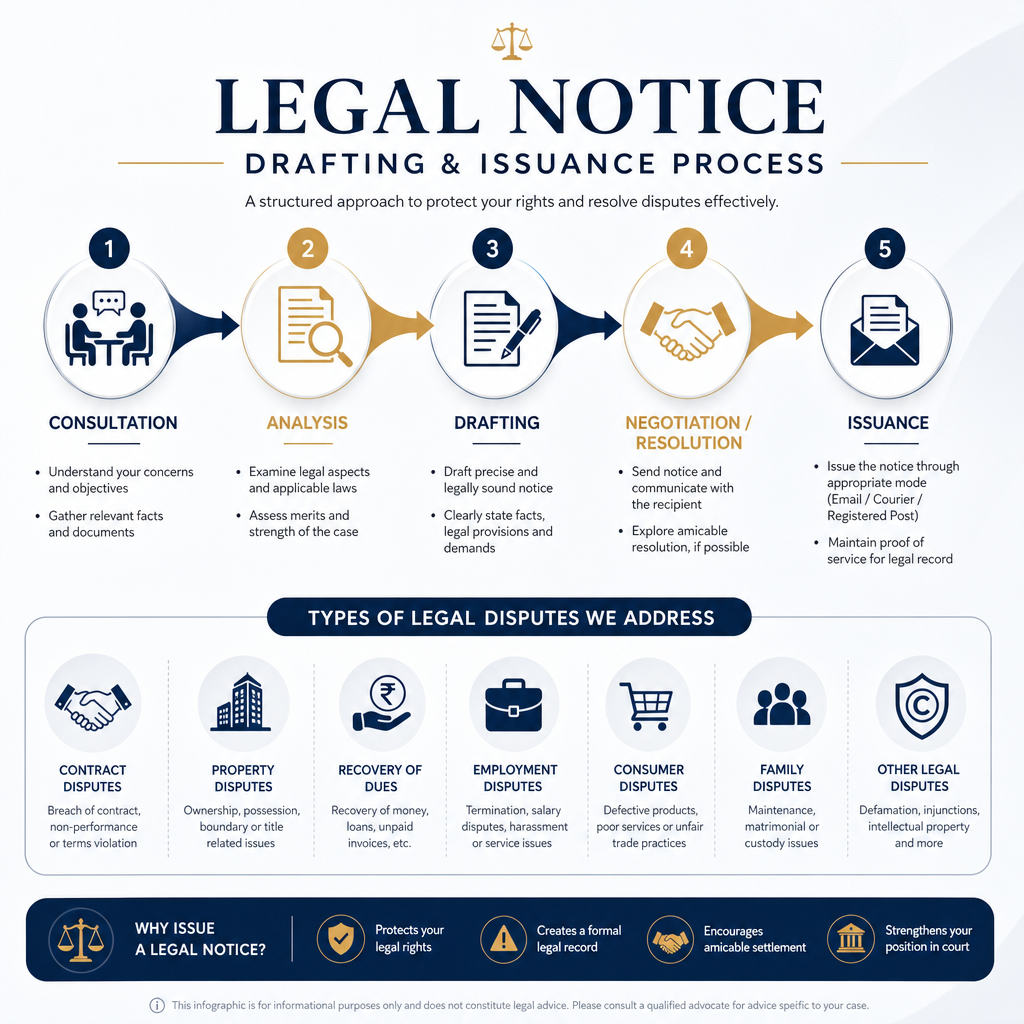
If initial communication does not resolve the issue, the next step is to send a formal legal notice to your employer. A legal notice is a formal document that informs the employer of your intent to take legal action if the dispute is not resolved promptly. It serves as a final warning and can often prompt a quicker resolution.
LegalRecovery.in can assist you in drafting a comprehensive legal notice tailored to your specific situation. Our platform ensures that your notice is professionally written and legally sound, increasing the likelihood of a favorable outcome.
4. File a Complaint with the Labor Commissioner
If your employer fails to respond to the legal notice, you may need to file a complaint with the Labor Commissioner. The Labor Commissioner acts as a mediator between the employer and the employee, facilitating negotiations to resolve the dispute.
Prepare a detailed complaint letter, including all relevant documents such as your employment contract, communication records, and the legal notice. The Labor Commissioner will review your case and may summon your employer to address the grievance.
5. Initiate Legal Proceedings
In cases where mediation does not lead to a resolution, you may need to initiate legal proceedings in a labor court. This step involves filing a lawsuit against your employer for breach of employment terms and non-payment of dues.
LegalRecovery.in can guide you through the process, providing expert legal support and representation to ensure your case is presented effectively. Our service streamlines the complex legal procedures, allowing you to focus on your next career steps while we handle the legalities.
How LegalRecovery.in Can Assist You
LegalRecovery.in is dedicated to helping individuals navigate the complexities of recovering their dues from employers. Our platform offers a range of services designed to simplify the legal process and increase your chances of a successful recovery.
Drafting and Sending Legal Notices: Our experienced legal team will draft and send a formal legal notice to your employer, ensuring all relevant legal points are covered.
Filing Legal Complaints: We assist in filing a structured complaint with the Labor Commissioner, ensuring all necessary documentation and evidence are presented accurately.
Legal Representation: Should your case require court proceedings, our qualified lawyers will represent you, providing expert legal counsel and advocacy.
By choosing LegalRecovery.in, you gain access to a streamlined, tech-driven platform that handles your case with precision and efficiency. Our goal is to reclaim what is rightfully yours, allowing you to move forward with financial peace of mind.
Conclusion: Reclaiming Your Peace of Mind and Recovering What is Yours
Recovering your full and final settlement from an employer can be a daunting task, especially when faced with resistance or delays. However, understanding your rights and the legal avenues available can empower you to take decisive action. Remember, you are entitled to what you have earned, and legal mechanisms are in place to protect your interests.
LegalRecovery.in offers a comprehensive solution for individuals seeking to recover their FNF settlements. Our services are designed to alleviate the stress associated with legal disputes, providing you with expert guidance and support every step of the way.
Don't let an unresolved FNF settlement disrupt your financial plans. Start Your Recovery Today with LegalRecovery.in and take the first step towards reclaiming your peace of mind.
Disclaimer: The legal information provided in this article is for educational and informational purposes only and does not constitute formal legal advice. Please consult with a qualified legal professional or use a structured legal-tech service like LegalRecovery.in for your specific legal case.
Popular Searches & Related Topics

Legal Recovery is India's trusted consumer protection and legal tech platform. We specialize in holding corporations accountable for unfair trade practices, deceptive marketing, and commercial fraud. With over 15,000 customers counselled, our mission is to provide fast, out-of-court resolutions by connecting you with top-tier panel advocates for immediate legal action.
Client Reviews
"LegalRecovery.in made the process of recovering my FNF settlement seamless. Their professionals handled everything, allowing me to focus on my new job."
Amit
"I was stressed about my pending FNF dues, but LegalRecovery.in's service was exceptional. They resolved my issue quickly and professionally."
Priya
"Thanks to LegalRecovery.in, I was able to get my full and final settlement without any hassle. Their team is knowledgeable and efficient."
Rohan
Frequently Asked Questions
Related Articles
About Author
Team LegalRecovery
View ProfileTeam LegalRecovery is a dedicated team of legal and financial professionals specializing in loan settlement, banking disputes, debt relief, and corporate compliance. We are committed to helping clients achieve debt freedom and business stability through expert strategic advisory.
Connect on LinkedInNeed Legal Help?
Get expert advice on loan settlement, banking disputes and debt relief.
Start Recovery NowRequest Callback