Legal Recovery for Maintenance Fees from Apartment Owners
Effective Strategies to Recover Unpaid Maintenance Fees Legally
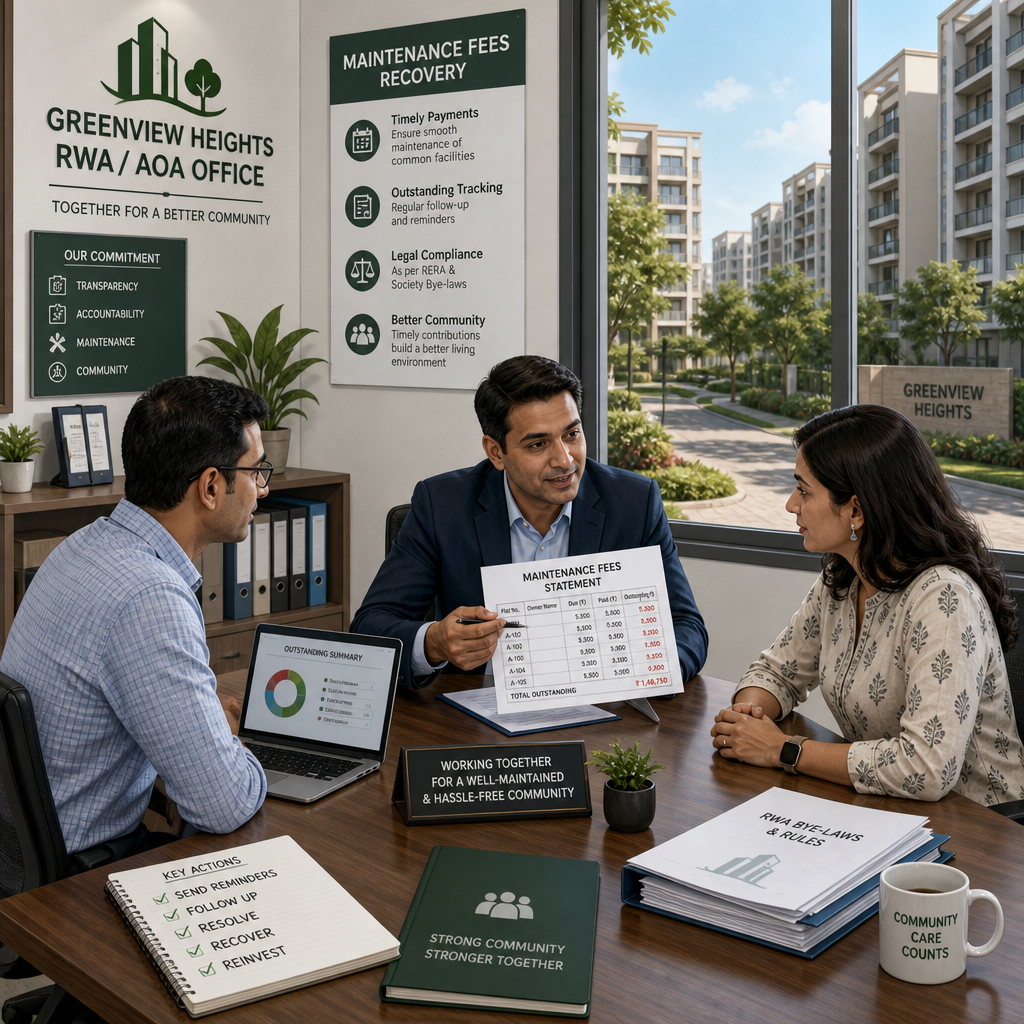
Table of Contents
Table of Contents
Swipe →Effective Legal Framework for Recovering Maintenance Fees from Apartment Owners
In India, the management and maintenance of residential complexes often fall into the hands of Apartment Owners' Associations (AOAs) or Resident Welfare Associations (RWAs). These bodies are responsible for collecting maintenance fees, which are crucial for ensuring the upkeep of common areas, security, and essential services. However, recovering these fees can become a challenge when apartment owners default on their payments. This comprehensive guide outlines the legal frameworks and strategic approaches available to AOAs and RWAs to recover unpaid maintenance fees effectively.
Legal Basis for Maintenance Fees: Understanding Ownership and Responsibilities
The obligation to pay maintenance fees stems from various sources, including the builder-buyer agreement, the apartment owners' association bylaws, and statutory provisions under relevant state apartment ownership acts. Each owner, having consented to these terms upon purchase or transfer, is legally bound to contribute to the common expenses incurred by the community. Failure to comply can lead to statutory actions under applicable laws, which reinforce the association's right to recover dues.
The Real Estate (Regulation and Development) Act, 2016 (RERA) provides a framework that supports the collection of dues, emphasizing the maintenance of real estate projects and ensuring that provisions for basic services are made. Additionally, specific state laws, such as the Maharashtra Apartment Ownership Act, discuss maintenance dues and create a legal pathway for recovery.
Identifying the Legal Pathways for Recovery of Unpaid Dues
When addressing the non-payment of maintenance fees, associations have several legal options at their disposal. It's vital to consider the nature of the agreement, the established bylaws of the association, and any prior communications with the defaulting owner. Here are the primary pathways for recovery:
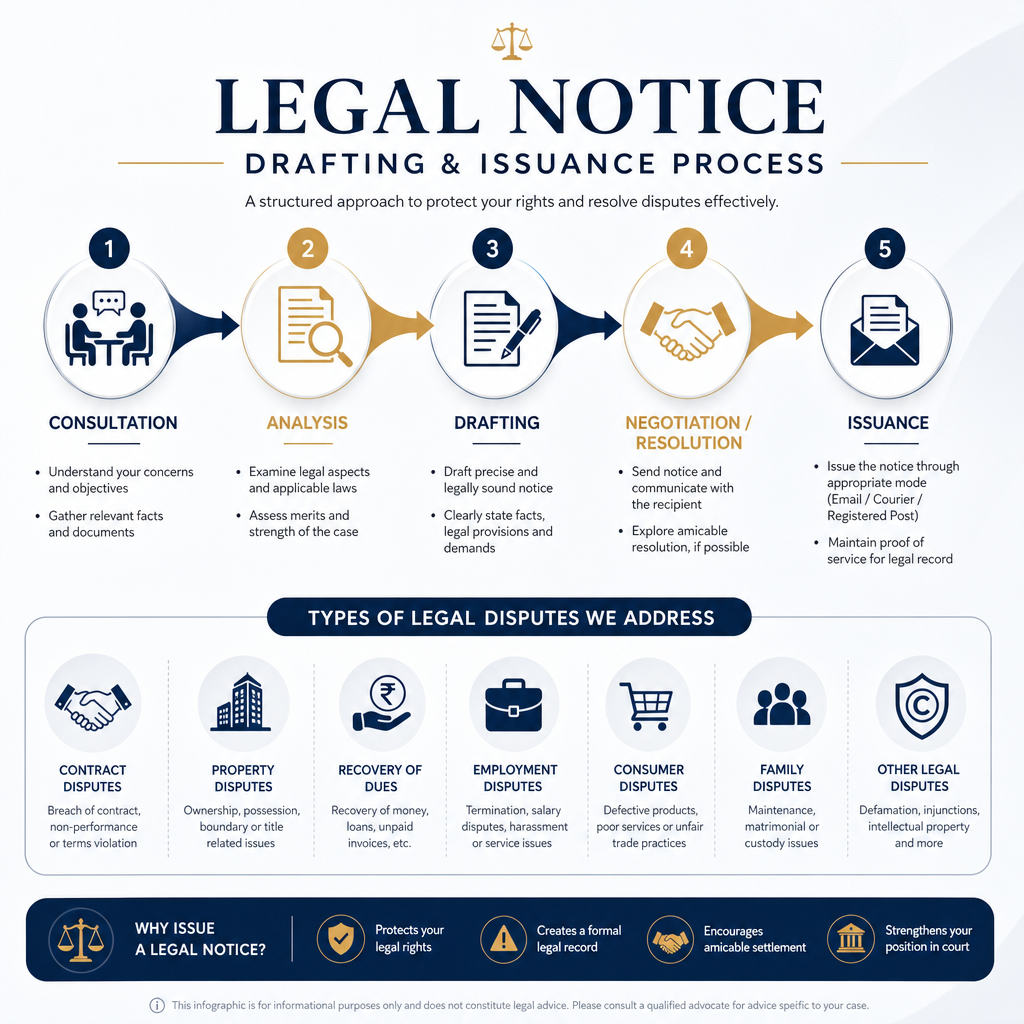
Issuance of a Demand Notice: The first step typically involves sending a demand notice to the defaulter, indicating the amount owed, the breakdown of charges, and any interest or penalties applicable. This is a formal way to remind the owner of their dues and serves as documented evidence should the matter escalate legally.
Filing a Complaint with the Consumer Forum: Associations may approach the consumer forum under the Consumer Protection Act, 2019, arguing that the defaulting owner's actions amount to a deficiency in service.
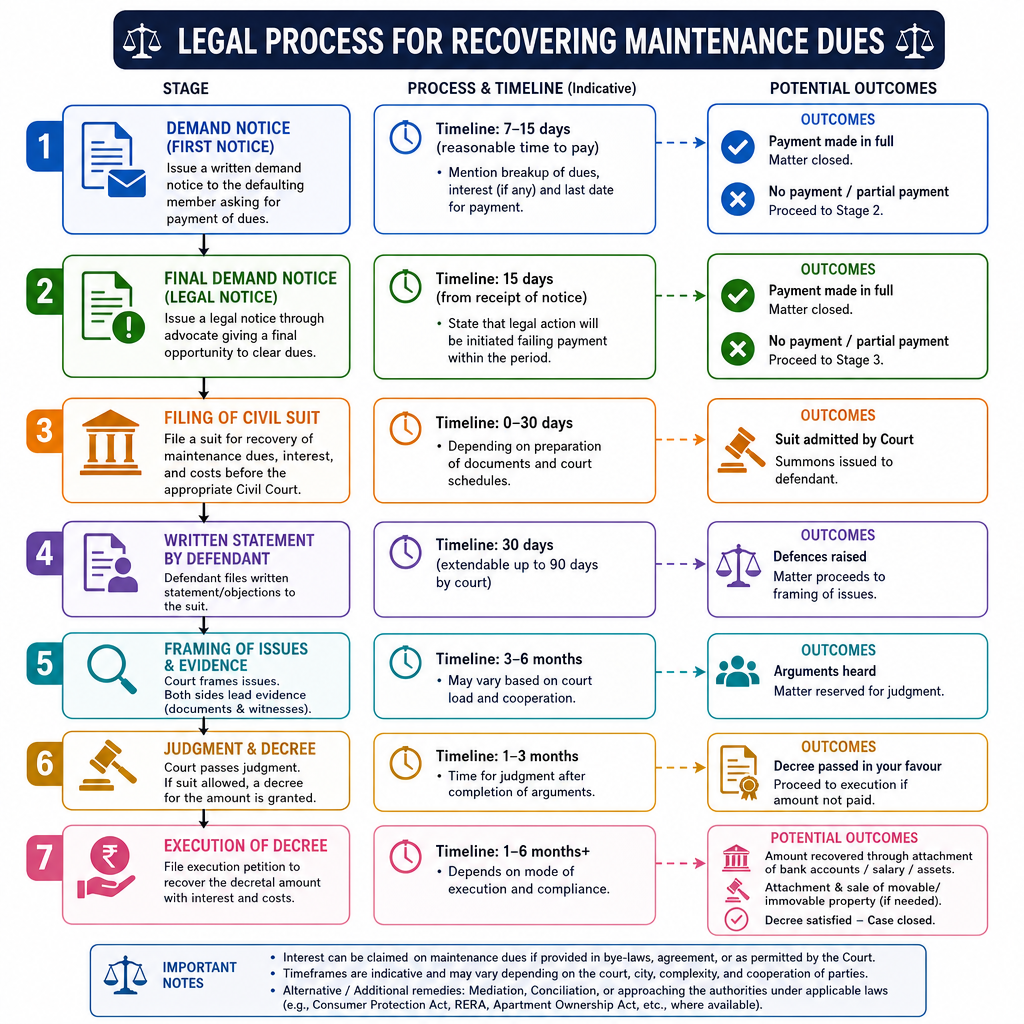
Suit for Recovery in Civil Court: If the above measures are ineffective, the association can file a suit for recovery in the civil court, where a summary suit under Order XXXVII of the Code of Civil Procedure, 1908, would expedite proceedings.
Levying Interest and Penalties: As per the bylaws, interest on unpaid dues can be levied. The association may also impose penalties for continued non-compliance.
Role of RERA in Maintenance Fee Recovery
RERA has transformed real estate regulations, emphasizing transparency and accountability. While primarily designed to regulate real estate developers, RERA also impacts associations by mandating that developers must hand over maintenance to the RWA or AOA once a majority of apartments are sold. This transition includes financial responsibilities and ensures that associations have a significant role in enforcing maintenance dues.
The Act empowers associations to maintain the integrity of the property by ensuring funds are available for necessary repairs and improvements, thus indirectly supporting the recovery of dues. Associations can file complaints with the RERA authority if developers fail to transfer these responsibilities or if any other RERA provision is violated.
Establishing Effective Communication and Documentation
The cornerstone of any legal recovery process is effective communication and documentation. Associations must maintain clear records of all interactions with property owners, including:
Agreement and bylaws acknowledging the owner's obligations.
Regular statements showing the outstanding dues and any communications about the same.
Copies of demand notices sent and any responses received.
Minutes from meetings where maintenance dues were discussed and decisions were ratified.
Effective documentation not only provides evidence in legal proceedings but also demonstrates the association's diligence and adherence to prescribed processes.
Statutory Timelines and Limitation Periods
The legal strategies for recovering unpaid maintenance fees are subject to specific statutory timelines and limitation periods. Understanding these timelines is crucial for effective recovery. Under the Limitation Act, 1963, a suit for recovery of dues generally must be filed within three years from the date the payment becomes due. Missing this window could bar recovery efforts unless extensions or exceptions apply.
Action | Timeline | Description |
|---|---|---|
Filing Demand Notice | Immediately upon default | To establish formal communication and set the stage for legal proceedings if required. |
Approaching Consumer Forum | Within two years from date of cause | For cases where the association faces any deficiency in service by developers impacting maintenance collection. |
Filing Civil Suit | Within three years | A strict deadline under the Limitation Act for the suit to be accepted in court. |
Visual Dispute Resolution & Recovery Framework
Alternative Dispute Resolution Mechanisms
Litigation can be a costly and time-consuming process. Therefore, alternative dispute resolution (ADR) mechanisms like negotiation, mediation, and arbitration can be effective tools for resolving disputes over maintenance dues. These methods provide a platform for both parties to discuss and reach a mutually agreeable solution without resorting to litigation.
Negotiation: Engage the defaulting owner in discussions to understand their challenges and propose an agreeable payment plan. This approach can often resolve the issue quietly and maintain a harmonious atmosphere within the community.
Mediation: Involve a neutral third-party mediator to facilitate dialogue between the association and the defaulting owner. The mediator assists both parties in reaching a voluntary settlement.
Arbitration: If the association's bylaws include an arbitration clause, disputes can be resolved through arbitration, offering a binding resolution without the formality of court proceedings.
Effectiveness of Legal Notices in Recovery
Legal notices are a pivotal part of the recovery process. They serve as a formal demand for payment and highlight the potential legal consequences of continued non-compliance. A well-drafted legal notice includes:
Details of the outstanding dues with a clear breakdown of charges.
Reference to the bylaws of the association supporting the claim.
A deadline for the settlement of dues to avoid further legal action.
Potential penalties and interest applicable if dues remain unpaid.
Sending a legal notice is often sufficient to compel compliance from the owner. However, if ignored, it substantiates the basis for further legal action. For more insights on drafting such notices, visit our guide on sending a legal notice for recovery of money.
Judicial Precedents and Court Procedures
Judicial precedents play a significant role in shaping the strategies for recovering unpaid maintenance fees. Courts have consistently upheld the rights of associations to recover dues, emphasizing the necessity of contributions for the common good of the community.
When proceeding with a civil suit, the following steps are typically involved:
Drafting and Filing the Petition: The association must clearly state the facts of the case, the dues owed, and the legal basis for recovery.
Service of Summons: Upon acceptance of the petition, the court issues a summons to the defendant, mandating their appearance in court.
Pleadings Stage: Both parties submit their written arguments and evidence to support their claims and defenses.
Trial and Judgment: The court evaluates the evidence presented and delivers a judgment, which could mandate the recovery of dues with interest and costs.
Adhering to procedural requirements is critical to ensure that the association's case is heard promptly and efficiently. For more details on legal procedures, you can explore our section on legal notice essentials.
Preventive Measures for Future Dues Management
To minimize future defaults, associations can implement several preventive measures, including:
Regular Communication: Keep owners informed about the financial health of the association and the necessity of timely payments.
Clear Bylaws: Ensure that the association's bylaws are comprehensive and clearly outline the obligations and penalties for non-payment.
Incentives for Timely Payment: Offer discounts or incentives to encourage prompt payment of dues.
Automated Systems: Implement online payment portals to facilitate easy and timely payments by owners.
These measures not only improve compliance but also foster a sense of community and shared responsibility among residents.
Conclusion: Navigating the Legal Terrain for Effective Recovery
Recovering unpaid maintenance fees is essential not just for the financial stability of the association but also for maintaining the quality of life within residential complexes. By leveraging legal frameworks, communication strategies, and alternative dispute resolution mechanisms, associations can efficiently manage and resolve issues related to unpaid dues. For professional guidance and support in navigating these processes, visit LegalRecovery to explore our legal recovery services.
Popular Searches & Related Topics

Legal Recovery is India's trusted consumer protection and legal tech platform. We specialize in holding corporations accountable for unfair trade practices, deceptive marketing, and commercial fraud. With over 15,000 customers counselled, our mission is to provide fast, out-of-court resolutions by connecting you with top-tier panel advocates for immediate legal action.
Client Reviews
"The recovery service was efficient and professional. They handled our case with expertise and helped us recover our dues quickly."
Rajesh Kumar
"We were struggling with unpaid fees for months. This service provided clear guidance and support throughout the process. Highly recommended!"
Anjali Sharma
"Excellent service! The team was courteous and knowledgeable, navigating the legal process smoothly. We recovered all outstanding fees."
Vikram Patel
"I am impressed with their approach and communication. They kept us informed every step of the way and successfully resolved our issue."
Sneha Desai
"Their strategic approach to recovery was impressive. We regained funds without lengthy legal battles, thanks to their expertise."
Amitabh Khanna
Frequently Asked Questions
Related Articles

About Author
Team LegalRecovery
View ProfileTeam LegalRecovery is a dedicated team of legal and financial professionals specializing in loan settlement, banking disputes, debt relief, and corporate compliance. We are committed to helping clients achieve debt freedom and business stability through expert strategic advisory.
Connect on LinkedInNeed Legal Help?
Get expert advice on loan settlement, banking disputes and debt relief.
Start Recovery NowRequest Callback