Legal Notice for Money Recovery: Essential Guide
Discover how to draft and serve a legal notice for recovering dues

Table of Contents
Table of Contents
Swipe →In the realm of financial transactions, disputes arise frequently when payments are delayed or not made at all. This necessitates the use of a legal notice for money recovery, a formal tool that sets the stage for resolving financial disputes amicably or through legal intervention. This article explores the intricacies of drafting and serving a legal notice for money recovery in India, offering comprehensive guidance on statutory requirements, practical strategies, and relevant legal frameworks.
Evidentiary Essentials and Demand Notice Protocols for Recovering Personal Loans in India
When dealing with personal loans, especially from friends or relatives, the lack of formal agreements can complicate recovery efforts. In such cases, documenting the loan transaction through emails, messages, or bank transfer receipts becomes crucial. Establishing the borrower's acknowledgment of the debt significantly fortifies your position. Given the informal nature of these loans, the importance of evidence cannot be overstated.
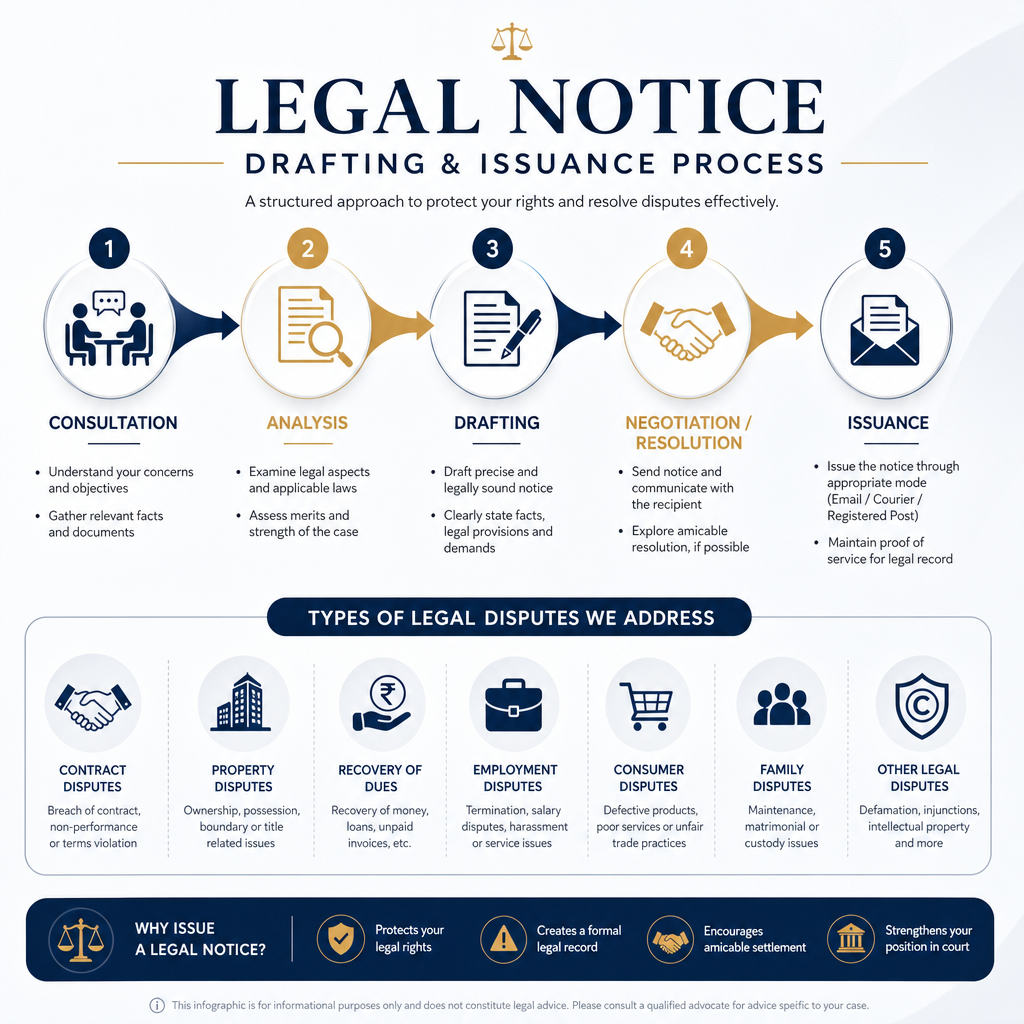
The first step in recovering a personal loan is to send a demand notice. This notice should clearly state the amount due, the timeline for repayment, and any previous reminders sent. It should also outline the consequences of non-compliance, such as legal action. Precision in drafting this notice can prevent unnecessary delays and strengthen your case if legal proceedings become necessary. Utilizing templates or professional legal services can ensure that the notice meets legal standards and effectively communicates the urgency of repayment.
Statutory Framework Governing Personal Loan Recovery
In India, the recovery of personal loans without a formal agreement relies on the Indian Contract Act, 1872. This Act provides the foundation for legal agreements and recognizes oral contracts, provided there is sufficient evidence. Section 73 of the Act deals with compensation for breach of contract and can be invoked if the borrower fails to repay the loan. Additionally, the Limitation Act, 1963 specifies the time frame within which legal action must be initiated, typically three years from the date the loan became due.
For loans backed by promissory notes or post-dated cheques, the Negotiable Instruments Act, 1881 becomes relevant. A bounced cheque can provide a solid legal basis for recovery under Section 138, which prescribes a structured timeline for sending a legal notice and initiating prosecution. The Section 138 cheque bounce notice timeline is critical to follow to ensure the enforceability of the claim.
Practical Steps for Drafting a Legal Notice
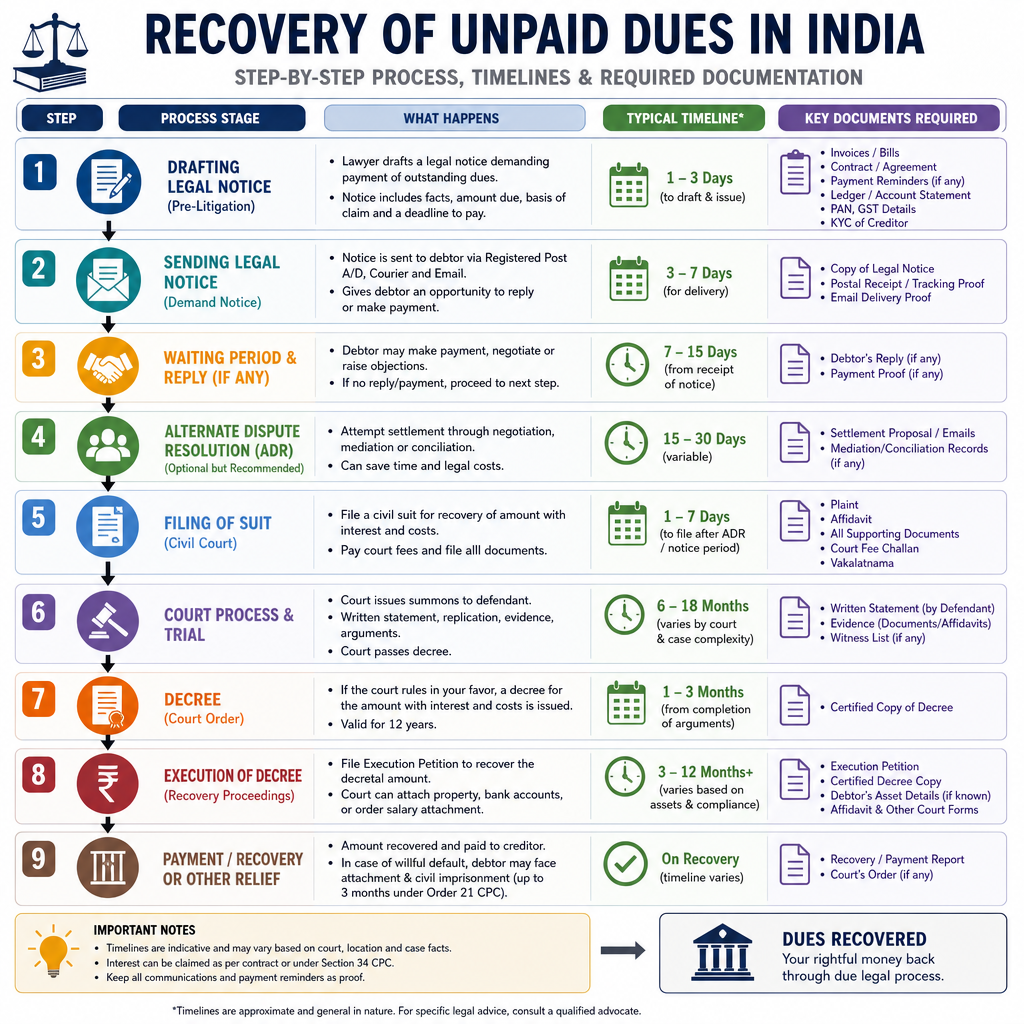
Drafting an effective legal notice involves several critical steps. First, gather all relevant documentation, including proof of the loan, communication records, and any partial payments made. This evidence forms the backbone of your claim and should be meticulously organized and presented.
Next, identify the borrower's correct address and contact information to ensure that the notice is served properly. It is advisable to send the notice via registered post with acknowledgment due, or through a reputable courier service that provides proof of delivery. This mitigates the risk of the borrower claiming non-receipt of the notice.
When composing the notice, clearly state the amount owed, the original terms of the loan (if any), and the deadlines for repayment. Be explicit about the legal consequences of non-payment, including potential court action. Using professional legal language enhances the seriousness of the notice and underscores the sender's commitment to pursuing recovery.
Contractual Enforcement and MSME Samadhan Legal Remedies for Unpaid Client Invoices
For freelancers and small businesses, recovering unpaid invoices can be daunting. The Micro, Small, and Medium Enterprises Development (MSMED) Act, 2006 provides a framework for resolving such disputes through the MSME Samadhan Portal. This portal facilitates arbitration and conciliation, offering a streamlined process to recover dues without resorting to litigation.
When engaging with the MSME Samadhan, it is crucial to ensure that your enterprise is registered under the Act. This registration not only validates your claim but also entitles you to interest on delayed payments at three times the bank rate notified by the Reserve Bank of India. The MSME Samadhan vs. Legal Notice approach provides an efficient alternative to traditional court proceedings.
Drafting a Notice for Unpaid Invoices
Drafting a notice for unpaid invoices requires attention to detail and a clear presentation of facts. Start by summarizing the services or products provided, along with their agreed-upon prices. Include copies of the invoices, contracts, and any correspondence related to the transaction. This substantiates your claim and demonstrates the legitimacy of the debt.
Specify the due date for the invoice payments and outline any attempts made to resolve the issue amicably. Clearly state the total amount due, including any interest or penalties per the contract terms. It is important to mention the specific actions you will take if payment is not received by the deadline, such as filing a complaint with the MSME Facilitation Council or initiating legal proceedings.
Legal Framework for Invoice Recovery
The recovery of unpaid invoices in India can be pursued under various legal provisions. The Indian Contract Act, 1872 is applicable when determining the validity and enforceability of the original agreement. If a dispute arises, the Specific Relief Act, 1963 may provide remedies for enforcing performance or claiming compensation.
For businesses registered as MSMEs, the MSMED Act, 2006 is particularly beneficial. It mandates that buyers must make payments within 45 days of accepting goods or services. Non-compliance allows the supplier to claim compound interest, calculated monthly, on the outstanding amount. This statutory interest provision is a powerful deterrent against payment delays.
Effective Communication and Mediation Strategies
Before escalating the matter to legal channels, attempt to resolve the dispute through effective communication and negotiation. Sometimes, a simple reminder or follow-up call can prompt payment. Clearly articulate the consequences of non-payment and the benefits of an amicable resolution.
If direct communication fails, consider engaging a professional mediator. Mediation can facilitate a mutually agreeable solution without damaging business relationships. Document all discussions and agreements reached during mediation, as these records may be useful if further legal action is necessary.
Visual Dispute Resolution & Recovery Framework
RERA Statutory Protections and Legal Compensation for Delayed Property Possession
The Real Estate (Regulation and Development) Act, 2016 (RERA) aims to protect homebuyers from project delays and defaulting builders. Under RERA, developers must adhere to strict timelines and are liable for compensation in cases of possession delays. This Act provides a robust framework for buyers seeking remedies for delayed property possession.
Before initiating legal action, issue a legal notice to the builder outlining the delay and demanding compensation as stipulated in the agreement. The notice should include details such as the promised possession date, the current status of the project, and any financial loss incurred due to the delay. Providing a structured timeline of the project's progress and any deviations from the planned schedule can bolster your case.
Legal Actions Under RERA
If the builder fails to respond to the notice satisfactorily, the next step is to file a complaint with the appropriate RERA authority. The RERA Act empowers homebuyers to seek relief for delays, including compensation, interest on delayed possession, and even cancellation of the booking with a full refund.
The Act mandates that any complaint must be adjudicated within 60 days, ensuring a swift resolution process. Buyers can also approach the Appellate Tribunal if dissatisfied with the RERA authority's decision. This two-tier redressal mechanism provides a comprehensive legal recourse for aggrieved buyers.
Documentation and Evidence for RERA Complaints
When lodging a RERA complaint, comprehensive documentation is crucial. This includes the sales agreement, payment receipts, communication records with the builder, and any notices or correspondence related to the project's status. Additionally, gathering evidence of any financial loss or hardship caused by the delay can strengthen your claim for compensation.
Engaging a legal professional with experience in RERA cases can significantly enhance your prospects of a favorable outcome. They can assist in drafting the complaint, navigating the procedural requirements, and representing you in hearings before the RERA authority or Appellate Tribunal.
Section 138 NI Act: Mandatory Statutory Demand Notice Protocol and Magistrate Filing Windows
Handling cheque bounce cases requires strict adherence to the procedures outlined in Section 138 of the Negotiable Instruments Act, 1881. A cheque bounce occurs when a cheque is presented for payment and is returned by the bank unpaid. This offense is common in business transactions and can result in significant financial losses.
The first step is to issue a demand notice to the drawer of the cheque. This notice must be served within 30 days of receiving the cheque dishonor memo from the bank. It should demand payment of the cheque amount within 15 days of receipt of the notice. Failing to comply with this timeline can adversely affect the enforceability of the claim under Section 138.
Legal Proceedings for Cheque Bounce
If the cheque amount is not paid within the stipulated 15 days, the payee can file a complaint in the Magistrate's court within 30 days. The complaint must include details such as the cheque return memo, the demand notice, and proof of delivery of the notice. The court will then issue a summons to the accused, initiating the legal proceedings.
Section 138 is a criminal provision, and a successful prosecution can result in imprisonment for the drawer for up to two years, a monetary penalty, or both. Moreover, the court can order the accused to compensate the payee for the cheque amount, providing a robust legal remedy for the aggrieved party.
Checklist for Filing a Cheque Bounce Case
Checklist Item | Description |
|---|---|
Cheque Dishonor Memo | The bank's official memo indicating the reason for dishonor must be attached. |
Demand Notice | A copy of the demand notice sent to the drawer, along with proof of delivery. |
Filing Timeline | The complaint must be filed within 30 days after the notice period ends. |
Supporting Documents | Include copies of the original cheque, bank statements, and any relevant correspondence. |
Consulting a lawyer experienced in civil suits for money recovery can ensure that the process is handled efficiently and effectively. They can assist in preparing the case, gathering necessary evidence, and representing you in court.
National Cybercrime Reporting Framework (Helpline 1930) and Bank Chargeback Reversals
The rise in cyber fraud has made it imperative for victims to understand the mechanisms available for recovery and redressal. The Indian government has launched the National Cybercrime Reporting Portal and a dedicated helpline (1930) to tackle cybercrimes effectively. Victims can report incidents online, and the portal facilitates coordination with law enforcement agencies for prompt action.
In cases of unauthorized transactions, bank chargeback reversals serve as an immediate remedy. Customers must notify their bank of the fraudulent transaction within a specific timeframe, often 48 hours, to initiate a chargeback. Banks are obligated to investigate the claim, and if verified, the customer can receive a refund of the disputed amount. Understanding the time-sensitive nature of these claims is crucial for successful recovery.
Steps for Reporting Cybercrime and Initiating Chargeback
To report a cybercrime, visit the National Cybercrime Reporting Portal and provide detailed information about the incident. This includes the nature of the fraud, financial losses incurred, and any evidence available, such as screenshots or logs. The portal assigns a unique tracking number to monitor the progress of the complaint.
Simultaneously, contact your bank to report the unauthorized transaction. Provide all necessary documentation and follow-up until the chargeback process is initiated. Banks have specific protocols for handling such claims, and timely action can significantly impact the outcome.
Legal Framework and Consumer Protection for Cyber Frauds
The Information Technology Act, 2000 governs cybercrimes in India. Section 43 and 66 of the Act prescribe penalties for acts such as hacking and unauthorized access to computer systems. Victims can seek compensation for losses incurred due to cybercrimes, and the Act provides a legal framework for prosecuting offenders.
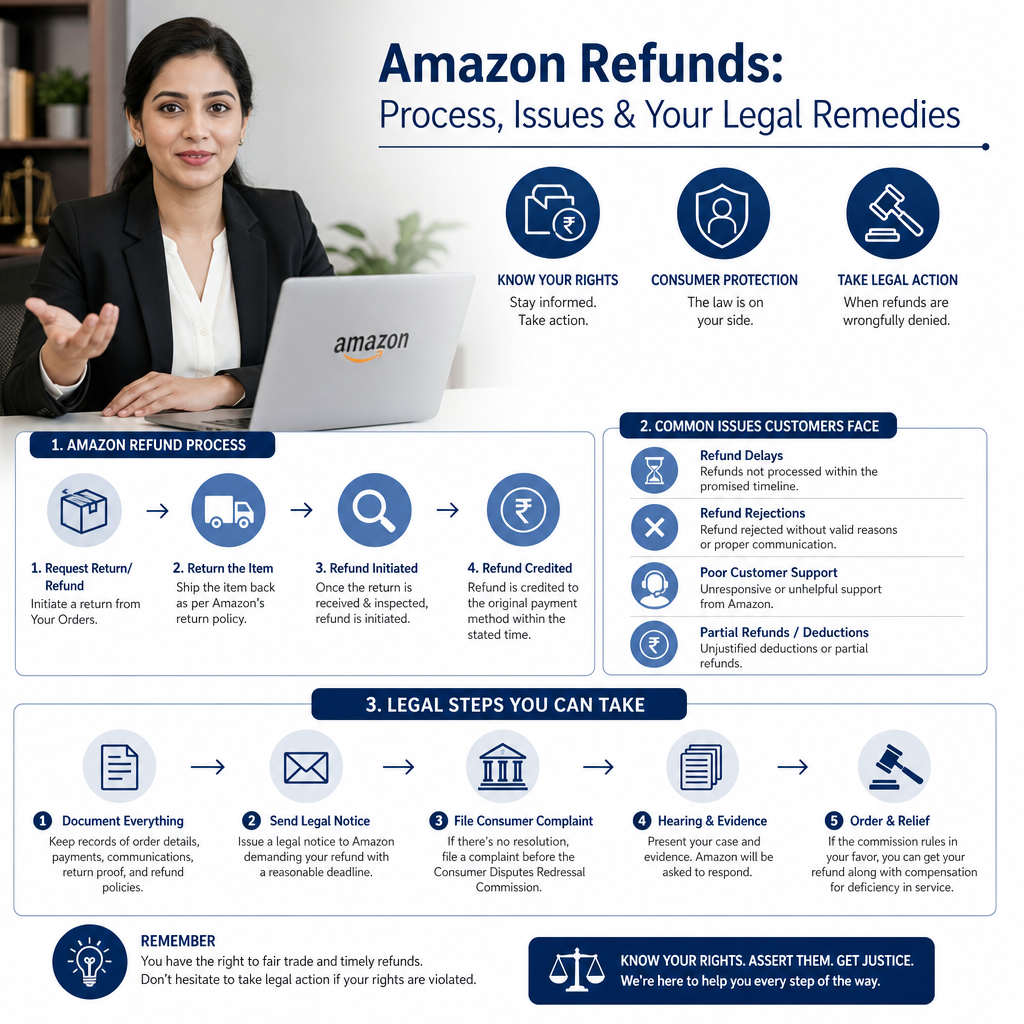
Additionally, the Consumer Protection Act, 2019 offers recourse for individuals affected by cyber frauds involving e-commerce transactions. Victims can file complaints with consumer courts seeking redressal and compensation. Familiarizing oneself with these legal provisions can empower victims to pursue appropriate legal remedies.
For comprehensive assistance on recovering money stuck in cyber fraud, consulting legal professionals specializing in cyber laws can provide valuable guidance. They can help navigate the procedural complexities and ensure adherence to statutory requirements for effective recovery.
In conclusion, drafting and serving a legal notice for money recovery is a strategic endeavor that requires a thorough understanding of legal frameworks and procedural nuances. Whether dealing with personal loans, unpaid invoices, delayed property possession, cheque bounce cases, or cyber frauds, adhering to statutory timelines and gathering robust evidence is imperative. Professional legal guidance can enhance the prospects of a successful recovery, ensuring that your financial interests are protected.
Popular Searches & Related Topics

Legal Recovery is India's trusted consumer protection and legal tech platform. We specialize in holding corporations accountable for unfair trade practices, deceptive marketing, and commercial fraud. With over 15,000 customers counselled, our mission is to provide fast, out-of-court resolutions by connecting you with top-tier panel advocates for immediate legal action.
Client Reviews
"The legal recovery service was prompt and professional. They drafted a precise legal notice that facilitated the quick recovery of my dues."
Ravi Sharma
"The guidance provided on recovering money without a formal agreement was invaluable. Their approach was thorough and effective."
Aarti Patel
"Exceptional service in navigating the MSME Samadhan process. I received my overdue payments with interest, all thanks to their expertise."
Kunal Mehta
"Their assistance with filing a RERA complaint was comprehensive. The process was smooth, and I am satisfied with the resolution."
Anjali Verma
"The legal notice for a cheque bounce was meticulously prepared. The process was handled efficiently, leading to a favorable outcome."
Vikram Menon
Frequently Asked Questions
Related Articles
About Author
Team LegalRecovery
View ProfileTeam LegalRecovery is a dedicated team of legal and financial professionals specializing in loan settlement, banking disputes, debt relief, and corporate compliance. We are committed to helping clients achieve debt freedom and business stability through expert strategic advisory.
Connect on LinkedInNeed Legal Help?
Get expert advice on loan settlement, banking disputes and debt relief.
Start Recovery NowRequest Callback