Effective Recovery of Pending Dues as a Contractor
Learn strategies to recover unpaid dues from clients in construction.
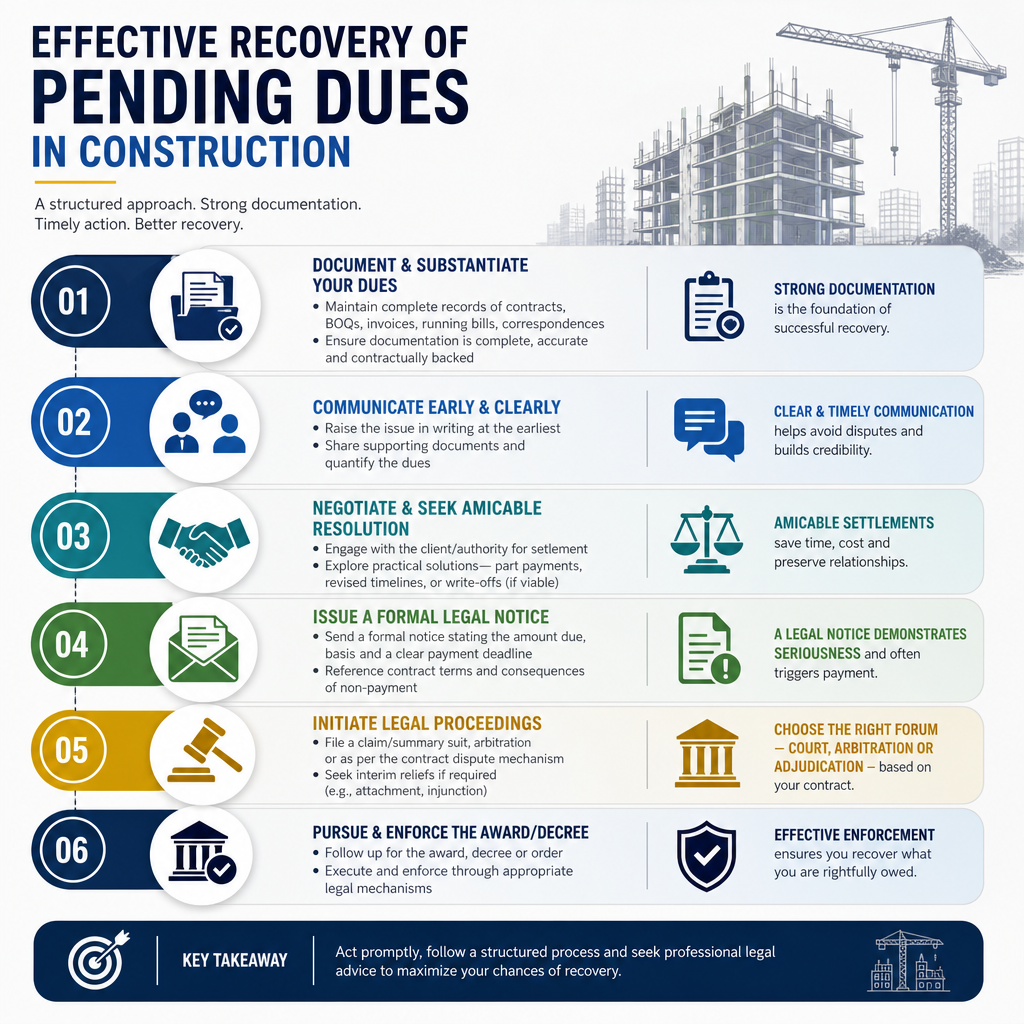
Table of Contents
Table of Contents
Swipe →In the construction industry, contractors often face the challenging task of recovering pending dues from clients. The financial stability of a construction project can be significantly affected when clients delay payments or refuse to settle the dues. This article provides a comprehensive guide on how construction contractors can effectively recover unpaid dues from clients, focusing on the Indian legal context and best practices.
Understanding the Importance of Contractual Agreements
Before delving into the recovery processes, it is essential to emphasize the significance of well-drafted contractual agreements. Contracts lay the foundation for the legal relationship between the contractor and the client. They offer a clear outline of the rights and responsibilities of each party. When disputes arise, a well-documented contract can serve as a critical piece of evidence in legal proceedings.
Contracts should encompass all aspects of the project, including scope of work, payment terms, deadlines, and dispute resolution mechanisms. Contractors should ensure that payment schedules are clearly defined and agreed upon by both parties. When clients fail to comply with the terms, the contract becomes a tool for enforcement and recovery.
Furthermore, a contract should include clauses that address potential delays and variations in the project. These clauses help manage expectations and provide avenues for resolution when deviations occur. Clauses related to penalties for non-payment or delayed payments can also be instrumental in mitigating payment issues.
In instances where contracts are verbal or poorly documented, contractors can face significant challenges in proving their claims. For this reason, it is advisable to engage legal professionals during the contract drafting phase to ensure that the agreement is robust and enforceable.
Ultimately, the strength of the contractual agreement plays a pivotal role in the recovery of pending dues. Contractors who prioritize comprehensive contracts are better equipped to address payment disputes effectively.
Legal Framework for Recovery of Dues in India
The legal framework governing the recovery of dues in India offers several avenues for contractors to pursue unpaid amounts. These frameworks are grounded in various acts and legal provisions that ensure fair dealings between contractors and clients.
One of the primary legislations relevant to contractors is the Indian Contract Act, 1872. This act provides the legal basis for contract enforcement and outlines the remedies available in case of breach. Under this act, a contractor can file a suit for breach of contract if the client fails to make payments as agreed. The court can award damages or specific performance, depending on the circumstances of the case.
The Payment of Wages Act, 1936, although primarily applicable to the payment of wages to workers, also has provisions that may be relevant. Contractors who have employed workers may use this act to claim dues related to labor costs. It mandates the timely payment of wages and provides mechanisms for redressal in case of non-payment.
The Negotiable Instruments Act, 1881, is another critical piece of legislation that contractors can utilize. This act deals with the enforcement of cheques and other negotiable instruments. Under Section 138, contractors can file a criminal complaint if a cheque issued by the client is dishonored due to insufficient funds.
It is important to note that while these acts provide a legal framework for recovery, the actual process can be time-consuming and complex. Contractors should be prepared to engage in legal proceedings and may require the assistance of legal professionals to navigate the intricacies of the Indian legal system.
Steps to Initiate Recovery Process
Initiating the recovery process requires a strategic approach, beginning with clear communication and progressing to formal legal action if necessary. Here, we outline the step-by-step process contractors can follow to recover pending dues.
Step 1: Initial Communication - The first step involves reaching out to the client through formal communication channels. Contractors should send a polite yet firm reminder about the pending dues, including details of the amount owed and the payment terms as outlined in the contract.
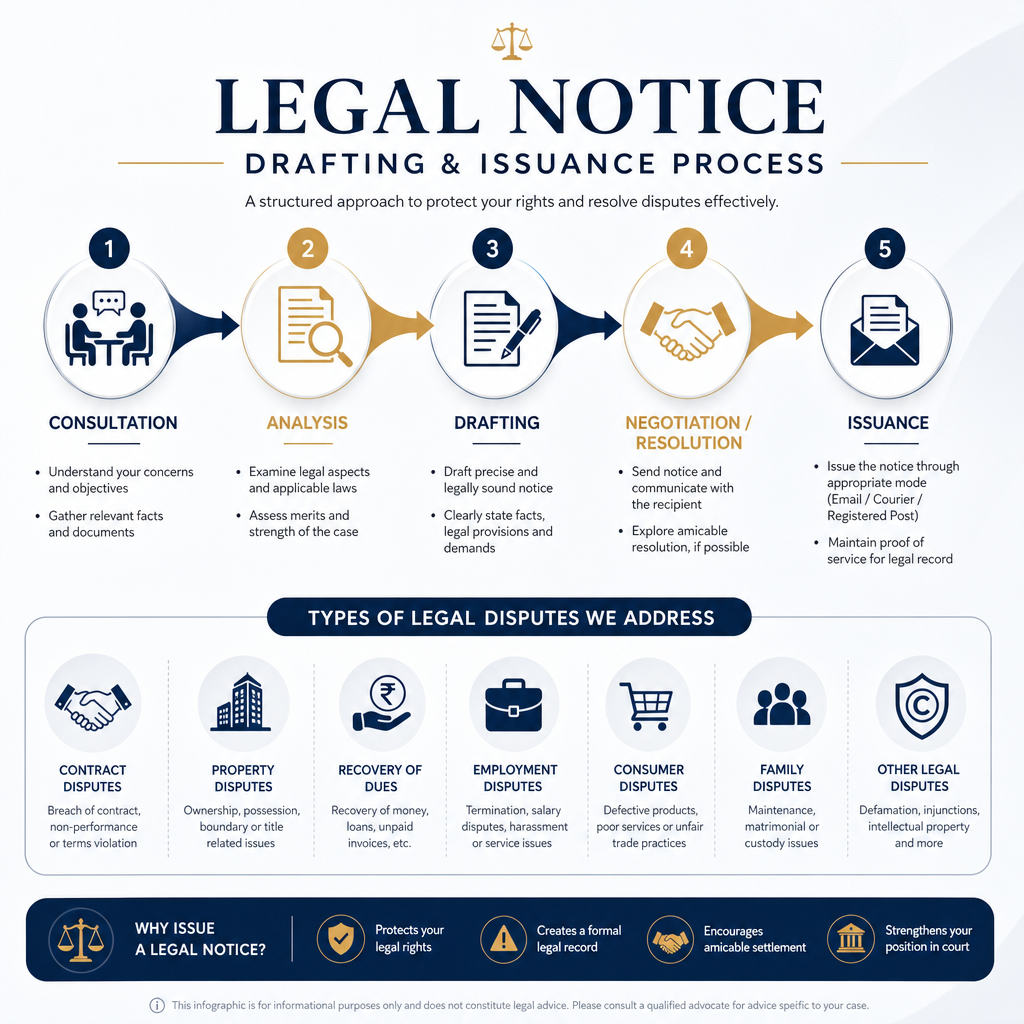
Step 2: Demand Notice - If initial communication does not lead to payment, the next step is to issue a demand notice. This is a formal letter that specifies the amount due, the payment deadline, and the consequences of non-payment. The demand notice serves as an official record that the contractor has attempted to resolve the matter amicably.
Step 3: Engage a Legal Professional - Should the demand notice fail to yield results, it is advisable to engage a legal professional. A lawyer can provide guidance on the most appropriate legal action based on the specifics of the case.
Step 4: Negotiation and Mediation - Before resorting to litigation, contractors may consider negotiation or mediation as alternative dispute resolution methods. These methods can be less time-consuming and costly compared to court proceedings.
Step 5: Legal Proceedings - If all else fails, the contractor may file a lawsuit against the client. The process involves drafting a plaint, submitting it to the appropriate court, and participating in legal proceedings. The contractor must be prepared to present evidence and argue their case to secure a favorable judgment.
Types of Evidence Required
Gathering and presenting evidence is crucial in the recovery of dues. The strength of the evidence can significantly influence the outcome of the case. Contractors should compile comprehensive documentation to support their claims.
Contractual Agreements - As previously mentioned, the contract is the most critical piece of evidence. It should clearly delineate the scope of work, payment terms, and any amendments agreed upon during the project.
Invoices and Payment Records - Detailed invoices, along with payment receipts, provide a clear record of the amounts billed and received. Contractors should maintain an organized record of all financial transactions related to the project.
Correspondence - Emails, letters, or any other form of communication between the contractor and the client should be preserved. These documents can demonstrate attempts to resolve the payment issue and illustrate any commitments made by the client.
Site Reports and Progress Updates - Reports that document the progress of the project can establish that the contractor has fulfilled their contractual obligations. These documents can counter any claims by the client regarding incomplete or inferior work.
Witness Testimonies - In some cases, testimonies from project managers, subcontractors, or other stakeholders can serve as supporting evidence. Witnesses can corroborate the contractor’s claims about the work completed and the payment terms agreed upon.
Statutory Recovery Metrics & Resolution Benchmark
Disputes resolved via formal statutory legal demand notices.
Average statutory compliance response timeline.
Mandatory refund of statutory levies under Indian Acts.
Interest compensation claimable under MSME & NI Acts.
Understanding Court Procedures for Recovery
Engaging in court proceedings requires an understanding of the legal process and procedures involved in recovering dues. Here, we outline the typical court procedures that contractors may encounter in India.
Filing a Suit - The first step in court proceedings is filing a suit. The contractor, as the plaintiff, must submit a plaint in the appropriate court, based on the amount involved and the jurisdiction. The plaint should detail the facts of the case, the amount owed, and a prayer for relief.
Serving Notice - Once the suit is filed, the court issues a notice to the defendant (the client). The notice informs the client of the legal action and requires them to appear before the court to present their defense.
Written Statement - The client is required to file a written statement in response to the plaint. This document outlines their defense and any counterclaims they may have against the contractor.
Trial and Evidence Presentation - The trial phase involves the presentation of evidence by both parties. The contractor must present a compelling case, supported by documentary and testimonial evidence, to substantiate their claim.
Judgment and Decree - After hearing the arguments and reviewing the evidence, the court delivers a judgment. If the court rules in favor of the contractor, a decree is issued for the recovery of the dues. The client is legally obligated to comply with the decree.
Case Studies: Successful Recovery of Dues
Examining case studies of successful recovery efforts can provide valuable insights into the practical application of legal principles and strategies. Here are a few instances where contractors have effectively recovered dues.
Case Study 1: Enforcing a Contractual Penalty Clause - In this case, a contractor included a penalty clause in their contract for delayed payments. When the client failed to pay on time, the contractor invoked the penalty clause and pursued legal action. The court upheld the penalty clause, emphasizing the importance of clearly defined contractual terms.
Case Study 2: Utilizing the Negotiable Instruments Act - A contractor received a cheque from the client that was subsequently dishonored. The contractor filed a complaint under Section 138 of the Negotiable Instruments Act. The court found the client guilty of issuing a cheque without sufficient funds, leading to a favorable judgment for the contractor.
Case Study 3: Successful Mediation - In another instance, a contractor opted for mediation instead of litigation. Through mediated discussions, the contractor and client reached a mutually agreeable payment plan. This case highlights the effectiveness of alternative dispute resolution in resolving payment disputes amicably.
Case Study 4: Proving Contractual Adherence - A contractor faced allegations of incomplete work as a reason for non-payment. By providing detailed site reports and progress updates, the contractor demonstrated adherence to contractual obligations. The evidence led to a court ruling in favor of the contractor, resulting in the recovery of dues.
Role of Legal Recovery Services
Legal recovery services play an instrumental role in assisting contractors with the recovery of pending dues. These services offer expertise in navigating legal complexities and implementing effective recovery strategies. Legal Recovery (https://www.legalrecovery.in/) is one such service provider that offers tailored solutions for contractors facing payment disputes.
Legal recovery services encompass various activities, including drafting legal notices, conducting negotiations, and representing contractors in court proceedings. They possess in-depth knowledge of relevant laws and regulations, enabling them to devise strategies that align with the contractor's objectives.
Furthermore, legal recovery services can provide insights into industry-specific practices and common pitfalls that contractors should avoid. Their experience in handling similar cases allows them to anticipate challenges and proactively address them.
Engaging a reputable legal recovery service can alleviate the burden on contractors, allowing them to focus on their core business operations. By outsourcing the recovery process to experts, contractors can increase their chances of a successful outcome while minimizing the stress associated with legal disputes.
To learn more about the services offered by Legal Recovery, visit their website at services. For inquiries and assistance, contact them through their contact page.
Preventive Measures for Future Projects
While recovering pending dues is crucial, contractors can also take preventive measures to minimize the risk of payment disputes in future projects. Implementing robust practices and strategies can safeguard contractors against potential non-payment issues.
Thorough Client Assessment - Before entering into a contract, contractors should conduct a thorough assessment of the client's financial stability and reputation. This assessment can include credit checks, references, and a review of the client's history with other contractors.
Detailed Contracts - As highlighted earlier, well-drafted contracts are a vital tool for preventing disputes. Contractors should ensure that contracts clearly outline payment terms, deliverables, and dispute resolution mechanisms. Engaging legal professionals in contract drafting can enhance the contract's effectiveness.
Regular Communication - Maintaining open lines of communication with the client throughout the project can help identify potential issues early. Regular updates and discussions regarding project progress and payment schedules can foster transparency and trust between parties.
Progressive Billing - Implementing a progressive billing system can reduce the risk of large outstanding payments at the end of the project. Contractors can bill clients at various stages of the project, ensuring that payments align with the work completed.
Retainage Clauses - Including retainage clauses in contracts can provide an additional layer of security. Retainage is a portion of the payment withheld until the project's completion, incentivizing clients to fulfill their payment obligations.
Conclusion
The recovery of pending dues from clients is a critical aspect of managing a construction business. While the legal landscape in India provides several avenues for recovery, contractors must adopt a strategic approach to navigate the complexities involved. By leveraging legal frameworks, engaging professional services such as Legal Recovery, and implementing preventive measures, contractors can enhance their chances of successful recovery.
For more information and insights on recovery strategies, visit the Legal Recovery blog. Their extensive resources cover a wide range of topics related to legal recovery, offering valuable guidance to contractors and businesses alike.
Ultimately, the effective recovery of dues requires a combination of legal knowledge, strategic planning, and proactive measures. Contractors who prioritize these elements can protect their financial interests and ensure the sustainability of their operations in the competitive construction industry.
Popular Searches & Related Topics

Legal Recovery is India's trusted consumer protection and legal tech platform. We specialize in holding corporations accountable for unfair trade practices, deceptive marketing, and commercial fraud. With over 15,000 customers counselled, our mission is to provide fast, out-of-court resolutions by connecting you with top-tier panel advocates for immediate legal action.
Client Reviews
"The recovery service was incredibly efficient and professional. They helped us navigate the legal complexities with ease, ensuring we recovered our dues swiftly."
Rohan Sharma
"I am thoroughly impressed with the attention to detail and the strategic approach the team took to resolve our payment dispute. Highly recommend their services!"
Priya Menon
"Thanks to their expert guidance, what seemed like a daunting legal process was simplified. They were with us every step of the way, ensuring a favorable outcome."
Anil Kapoor
"Their knowledge of the industry-specific issues and legal intricacies was phenomenal. We successfully recovered our dues with minimal stress and high efficiency."
Sneha Patil
"The proactive approach and swift action taken by the team were commendable. They navigated the legal framework with expertise, delivering results beyond our expectations."
Vikram Desai
Frequently Asked Questions
Related Articles

About Author
Team LegalRecovery
View ProfileTeam LegalRecovery is a dedicated team of legal and financial professionals specializing in loan settlement, banking disputes, debt relief, and corporate compliance. We are committed to helping clients achieve debt freedom and business stability through expert strategic advisory.
Connect on LinkedInNeed Legal Help?
Get expert advice on loan settlement, banking disputes and debt relief.
Start Recovery NowRequest Callback