Recover FNF From Previous Employer in India: Complete Legal Guide for Employees (2026)
Effective Legal Strategies for Debt Recovery in India
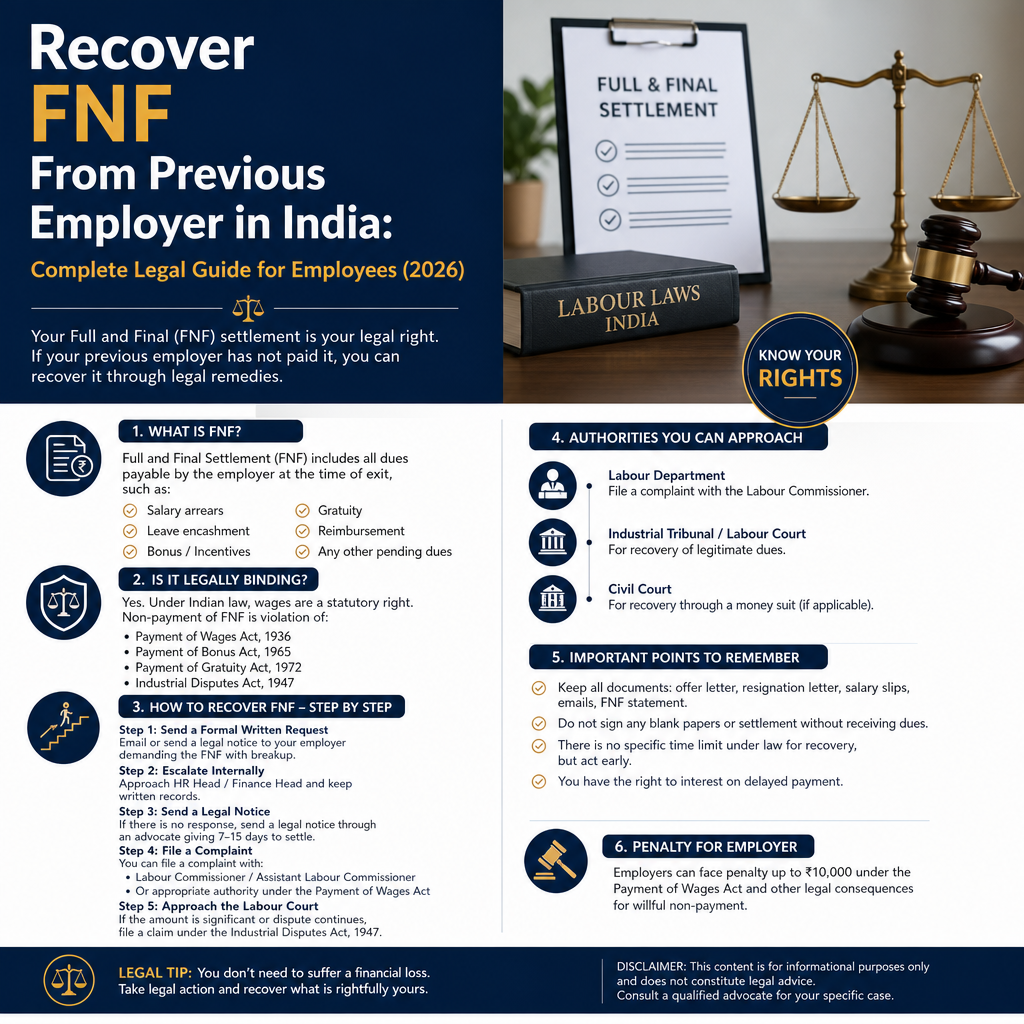
Table of Contents
Table of Contents
Swipe →Recover FNF From Previous Employer in India: Complete Legal Guide for Employees
Leaving a job should ideally mark the beginning of a new opportunity, not the start of a stressful battle for your own hard-earned money. Unfortunately, thousands of employees across India still struggle to recover FNF from previous employer despite completing notice periods, handing over responsibilities, and fulfilling all contractual obligations.
Whether it is unpaid salary, pending incentives, gratuity, leave encashment, bonuses, or reimbursement claims, delayed Full and Final (FNF) settlements have become one of the most common employment disputes in India. Many employees are unaware of their legal rights, timelines, and remedies available to recover FNF from previous employer legally and efficiently.
If your previous company is delaying payment, ignoring emails, making excuses, or refusing to clear dues without valid reasons, this guide will help you understand:
Your legal rights as an employee
The official FNF settlement process
Applicable Indian labour laws
Steps to recover pending dues
When to send a legal notice
How Legal Recovery can help you recover your money
At https://www.legalrecovery.in/ employees and professionals can initiate legal recovery processes online without lengthy court procedures, making salary and employment dues recovery faster and more accessible.
What Is Full and Final Settlement (FNF)?
Full and Final Settlement (FNF) refers to the process where an employer clears all outstanding payments owed to an employee after resignation, termination, retirement, or separation from employment.
The FNF amount may include:
Component | Description |
|---|---|
Pending Salary | Unpaid salary for last working days |
Leave Encashment | Payment for unused leaves |
Bonuses/Incentives | Performance-based dues |
Gratuity | Applicable under gratuity laws |
Reimbursements | Travel, fuel, internet, etc. |
Variable Pay | Pending commissions or incentives |
PF/ESIC Formalities | Applicable compliance clearances |
In many cases, employees face unnecessary delays in receiving these dues, forcing them to look for ways to recover FNF from previous employer through legal remedies.
Why Employers Delay FNF Settlement
There can be several reasons why companies fail to clear employee dues on time.
Common Reasons Include
Administrative Delays
Large companies often cite internal approval delays or HR processing issues.
Financial Problems
Some startups or businesses intentionally delay payments due to cash flow issues.
Notice Period Disputes
Employers may allege incomplete notice periods or policy violations.
Performance-Related Disagreements
Companies sometimes withhold incentives or bonuses unfairly.
Retaliation or Workplace Conflicts
Employees involved in disputes with management may face intentional delays.
Poor HR Compliance
Many businesses do not follow proper labour compliance systems.
Regardless of the reason, employees still have legal rights to recover FNF from previous employer if dues are valid and documented.
What Does Indian Law Say About FNF Settlement?
Indian labour laws protect employees against unfair withholding of salary and employment dues.
Key Legal Provisions
Payment of Wages Act, 1936
Employers cannot unlawfully withhold earned wages.
Industrial Disputes Act, 1947
Employees can raise disputes for wrongful withholding of dues.
Shops and Establishments Act
Applicable state-wise laws regulate employee payments and working conditions.
Payment of Gratuity Act, 1972
Employees completing 5 years of service are entitled to gratuity.
Indian Contract Act, 1872
Employment agreements create legally enforceable obligations.
How Long Can an Employer Legally Delay FNF Settlement?
While there is no single universal timeline applicable to all organizations, most companies process FNF settlements within:
30 to 45 days from last working day
Sometimes earlier depending on company policy
Unreasonable delays beyond this period may amount to unfair employment practice.
How To Recover FNF From Previous Employer Legally
If your employer is delaying your settlement, follow this structured legal approach.
Step 1: Collect All Employment Documents
Before initiating recovery action, organize all relevant records.
Important Documents
Offer letter
Appointment letter
Salary slips
Resignation email
Acceptance email
Exit communication
HR correspondence
Bank statements
Attendance records
Incentive proofs
Reimbursement claims
Proper documentation significantly strengthens your legal position.
Step 2: Send Professional Follow-Up Emails
Before escalating legally, send formal reminders to HR and management.
Suggested Email Structure
Mention employee ID
Mention last working date
Specify pending dues
Request payment timeline
Maintain professional tone
Keep written records of every communication.
Step 3: Raise an Internal HR Complaint
If HR remains unresponsive:
Escalate to senior HR
Contact finance department
Write to company founders/directors
Request written clarification
Many disputes get resolved at this stage.
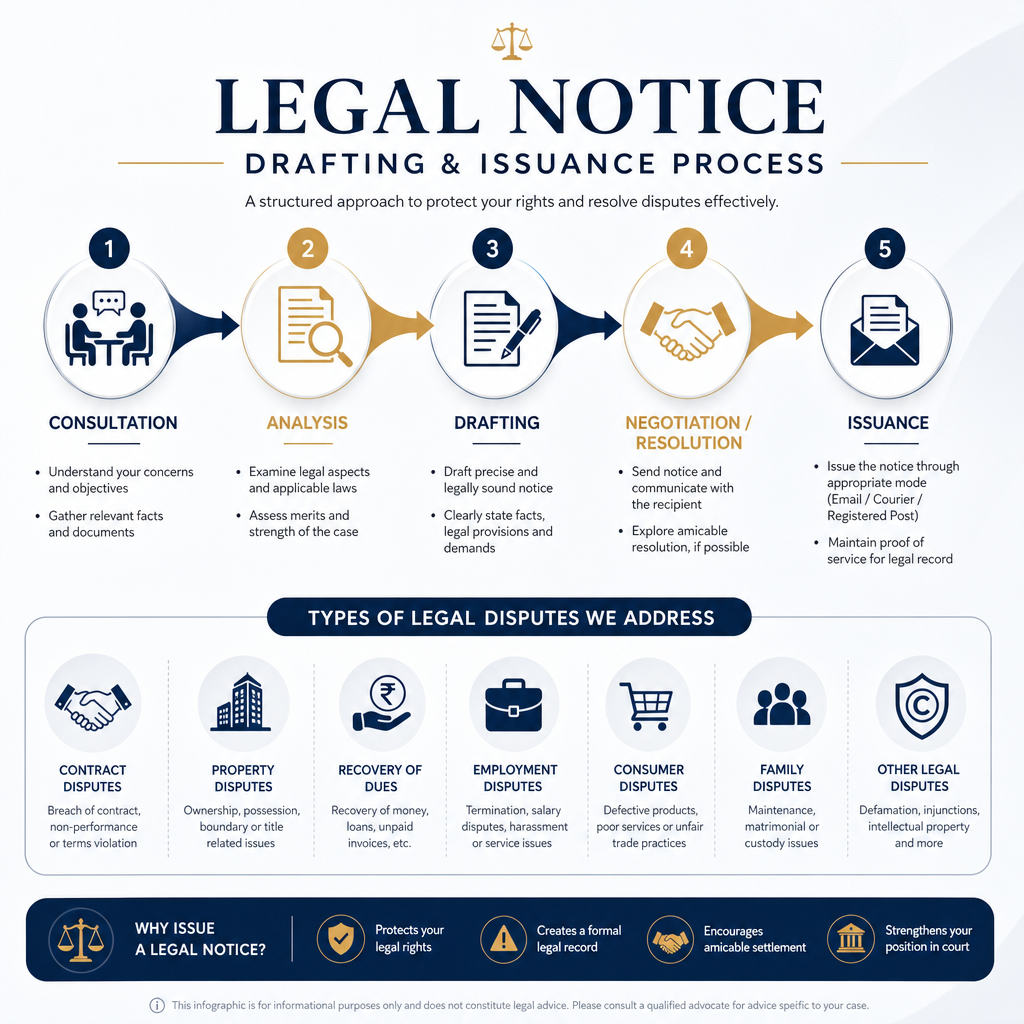
Step 4: Send a Legal Notice to Recover FNF From Previous Employer
If the employer still fails to respond, the next step is issuing a legal notice.
A legal notice:
Creates formal legal pressure
Documents your claim officially
Provides a final opportunity to settle
Strengthens future legal proceedings
At https://www.legalrecovery.in/services/recovery-of-salary-and-employment-dues employees can initiate legal recovery notices online for unpaid salary, FNF dues, incentives, and employment recoveries.
What Should a Legal Notice Include?
Important Elements
Employee Details
Name
Designation
Employment duration
Employer Details
Company name
Registered office
HR contact
Pending Amount Details
Breakdown of:
Salary
Leave encashment
Bonus
Incentives
Reimbursements
Legal Grounds
Mention violation of labour and contractual obligations.
Demand Timeline
Generally 7–15 days for payment compliance.
Can You File a Labour Complaint for Unpaid FNF?
Yes. Employees can approach:
Labour Commissioner
Labour Court
Industrial Tribunal
Civil Court (in certain cases)
This is especially useful where:
Salary remains unpaid
Employer absconds
Illegal deductions are made
Harassment accompanies non-payment
Labour Commissioner Complaint Process
Step-by-Step Process
Draft complaint
Attach employment documents
Mention pending dues
Submit before labour office
Attend mediation/hearing
Seek recovery direction
In many cases, employers settle disputes during mediation itself.
Can You Recover FNF Without Going To Court?
Yes. Most employment disputes are resolved through:
Legal notices
Negotiation
Settlement discussions
Labour mediation
This is why online recovery platforms are becoming increasingly popular.
At https://www.legalrecovery.in/how-it-works users can initiate structured legal recovery processes digitally without complicated legal procedures.
Recover FNF From Previous Employer for Different Employment Types
Salaried Employees
Applicable for corporate, startup, and MNC employees.
Remote Employees
Work-from-home employees can also claim unpaid dues.
Freelancers & Consultants
Project-based payments can be legally recovered.
Explore:
Contract Employees
Contractual obligations remain enforceable.
Common Types of Recoverable Employment Dues
Recoverable Amount | Legally Claimable? |
|---|---|
Pending Salary | Yes |
Incentives | Yes |
Reimbursements | Yes |
Gratuity | Yes |
Bonus | Yes |
Leave Encashment | Yes |
Variable Pay | Depends on policy |
ESOP Disputes | Case-specific |
Signs Your Employer Is Intentionally Avoiding FNF Payment
Red Flags
Ignoring emails
No written timeline
HR not responding
Sudden policy excuses
Delayed relieving letter
Informal verbal promises only
Constant postponement
These often indicate intentional delay tactics.
What If the Company Says You Violated Policy?
Employers may attempt to justify withholding payments using:
Non-compete allegations
Notice period disputes
Performance complaints
Asset return issues
However, salary already earned generally cannot be withheld unfairly.
Courts and labour authorities examine:
Actual damages
Employment agreement terms
Company conduct
Evidence
Can Startups Delay FNF Due to Funding Issues?
Financial issues do not eliminate employee rights.
Even if a startup:
loses funding,
shuts operations,
or delays salaries,
employees may still pursue recovery claims.
Case Example: Employee Successfully Recovered FNF
Scenario
A software developer resigned from a Delhi startup after completing a 60-day notice period.
Employer’s Conduct
Delayed ₹2.8 lakh FNF settlement
Ignored emails for 3 months
Refused leave encashment
Action Taken
The employee:
Collected all records
Sent a legal notice
Filed labour complaint
Statutory Recovery Metrics & Resolution Benchmark
Disputes resolved via formal statutory legal demand notices.
Average statutory compliance response timeline.
Mandatory refund of statutory levies under Indian Acts.
Interest compensation claimable under MSME & NI Acts.
Result
The employer settled within 21 days after receiving legal communication.
How Legal Recovery Helps Employees Recover FNF
https://www.legalrecovery.in/about is designed to simplify legal recovery for individuals and professionals across India.
Services Include
Legal recovery notices
Salary recovery assistance
Employment dues recovery
Consumer disputes
Invoice recoveries
Rental recoveries
Freelancer payment disputes
Relevant recovery services include:
https://www.legalrecovery.in/services/recovery-of-salary-and-employment-dues
https://www.legalrecovery.in/services/vendor-and-invoice-recoveries
https://www.legalrecovery.in/services/refunds-and-consumer-complaints
Practical Tips To Recover FNF Faster
Maintain Written Communication
Avoid verbal-only discussions.
Preserve Evidence
Save emails, chats, and salary records.
Avoid Emotional Responses
Professional communication works better legally.
Act Early
Do not wait indefinitely.
Send Legal Notice Promptly
Early legal action increases recovery chances.
Important Mistakes Employees Must Avoid
Mistake | Impact |
|---|---|
Relying only on calls | Weak evidence |
Delaying action for years | Limitation issues |
Deleting emails | Loss of proof |
Accepting partial verbal promises | Future disputes |
Posting defamatory content online | Legal complications |
How Long Does Recovery Usually Take?
Recovery Method | Estimated Timeline |
|---|---|
HR Resolution | 1–4 weeks |
Legal Notice | 7–30 days |
Labour Mediation | 1–3 months |
Court Litigation | Several months/years |
Difference Between Salary Recovery and Consumer Recovery
Employees often confuse employment disputes with consumer complaints.
Employment Recovery
Applicable for:
Salary
FNF
Bonuses
Employment dues
Consumer Recovery
Applicable for:
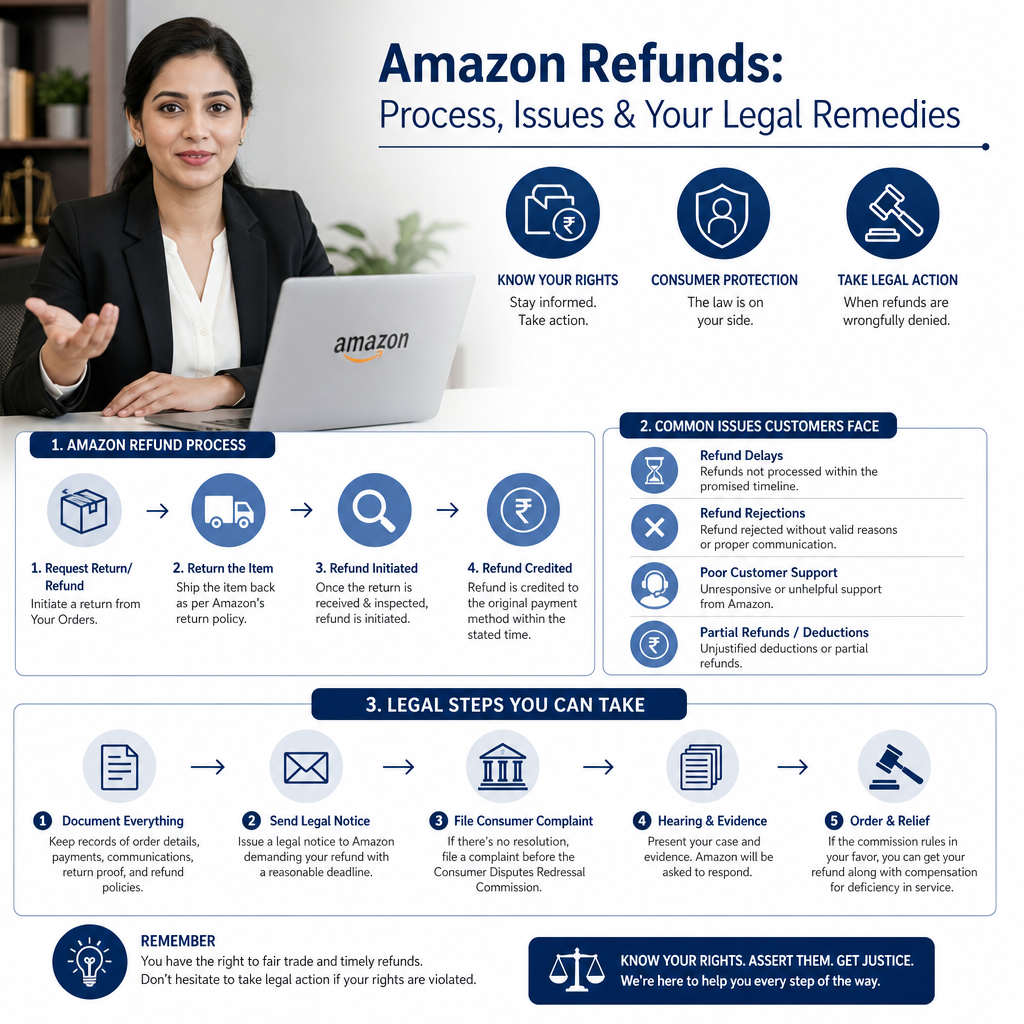
Refund disputes
Defective services
Failed products
Related recovery categories include:
https://www.legalrecovery.in/services/refunds-and-consumer-complaints
https://www.legalrecovery.in/services/property-and-builder-disputes
https://www.legalrecovery.in/services/security-deposits-and-rental-recoveries
Can WhatsApp Chats Help in FNF Recovery?
Yes. Courts increasingly recognize electronic evidence.
Useful evidence includes:
WhatsApp chats
Slack messages
Email acknowledgements
Payroll screenshots
HR confirmations
Always preserve digital records carefully.
Sample Checklist Before Sending Legal Notice
Employee Recovery Checklist
Appointment letter available
Salary slips available
Resignation proof available
Last working date confirmed
Pending amount calculated
Email reminders sent
Employer response preserved
Featured Snippet: Quick Answer
How can I recover FNF from previous employer in India?
You can recover FNF from previous employer by collecting employment records, sending formal reminders, issuing a legal notice, and filing a labour complaint if required. Most disputes are resolved through legal notices and mediation without going to court.
Voice Search Optimized Questions
What should I do if my company is not giving my FNF?
Send formal written reminders, preserve all records, and issue a legal notice if payment remains delayed.
Is withholding FNF legal in India?
Unreasonable withholding of earned salary and dues may violate labour laws and contractual obligations.
Can I file a case against employer for unpaid salary?
Yes. Employees can approach labour authorities or courts for salary recovery.
Suggested Infographics & Visual Aids
Suggested Visuals
Infographic 1
“Step-by-Step Process To Recover FNF From Previous Employer”
Infographic 2
“Employee Rights During FNF Settlement”
Table Graphic
“Documents Required for Salary Recovery”
Flowchart
“Legal Notice to Labour Complaint Timeline”
Comparison Graphic
“Legal Notice vs Labour Court”
These visuals can improve engagement and featured snippet opportunities.
Why Legal Recovery Is Becoming Popular in India
Traditional legal recovery processes are often:
slow,
expensive,
confusing,
and inaccessible.
Digital legal recovery platforms simplify the process for employees and individuals seeking faster resolutions.
At https://www.legalrecovery.in/blog readers can access practical legal recovery insights, guides, and dispute resolution resources.
Conclusion
Trying to recover FNF from previous employer can feel frustrating, especially after you have already fulfilled your professional responsibilities. However, employees in India are not powerless. Labour laws, contractual rights, and legal recovery mechanisms provide multiple remedies for recovering unpaid salary, incentives, gratuity, and other dues.
The key is acting strategically:
maintain proper records,
communicate professionally,
escalate legally when necessary,
and avoid unnecessary delays.
In many cases, a properly drafted legal notice itself is enough to push employers toward settlement.
If your employer is delaying your FNF settlement, unpaid salary, incentives, or employment dues, Legal Recovery can help you initiate the recovery process quickly and professionally.
Visit:
to begin your legal recovery process today.
You can visit:
for professional legal recovery assistance.
Popular Searches & Related Topics

Legal Recovery is India's trusted consumer protection and legal tech platform. We specialize in holding corporations accountable for unfair trade practices, deceptive marketing, and commercial fraud. With over 15,000 customers counselled, our mission is to provide fast, out-of-court resolutions by connecting you with top-tier panel advocates for immediate legal action.
Client Reviews
"LegalRecovery.in made the debt recovery process seamless and stress-free. Their tech-driven approach is truly impressive!"
Amit
"I was able to recover my dues quickly with the help of LegalRecovery.in. Their service is efficient and reliable."
Priya
"The team at LegalRecovery.in is professional and knowledgeable. They provided excellent support throughout my case."
Rohan
Frequently Asked Questions
Related Articles
About Author
Team LegalRecovery
View ProfileTeam LegalRecovery is a dedicated team of legal and financial professionals specializing in loan settlement, banking disputes, debt relief, and corporate compliance. We are committed to helping clients achieve debt freedom and business stability through expert strategic advisory.
Connect on LinkedInNeed Legal Help?
Get expert advice on loan settlement, banking disputes and debt relief.
Start Recovery NowRequest Callback