Recover Your Money from Transaction Made by Mistake
Learn the steps to reclaim funds from accidental transactions
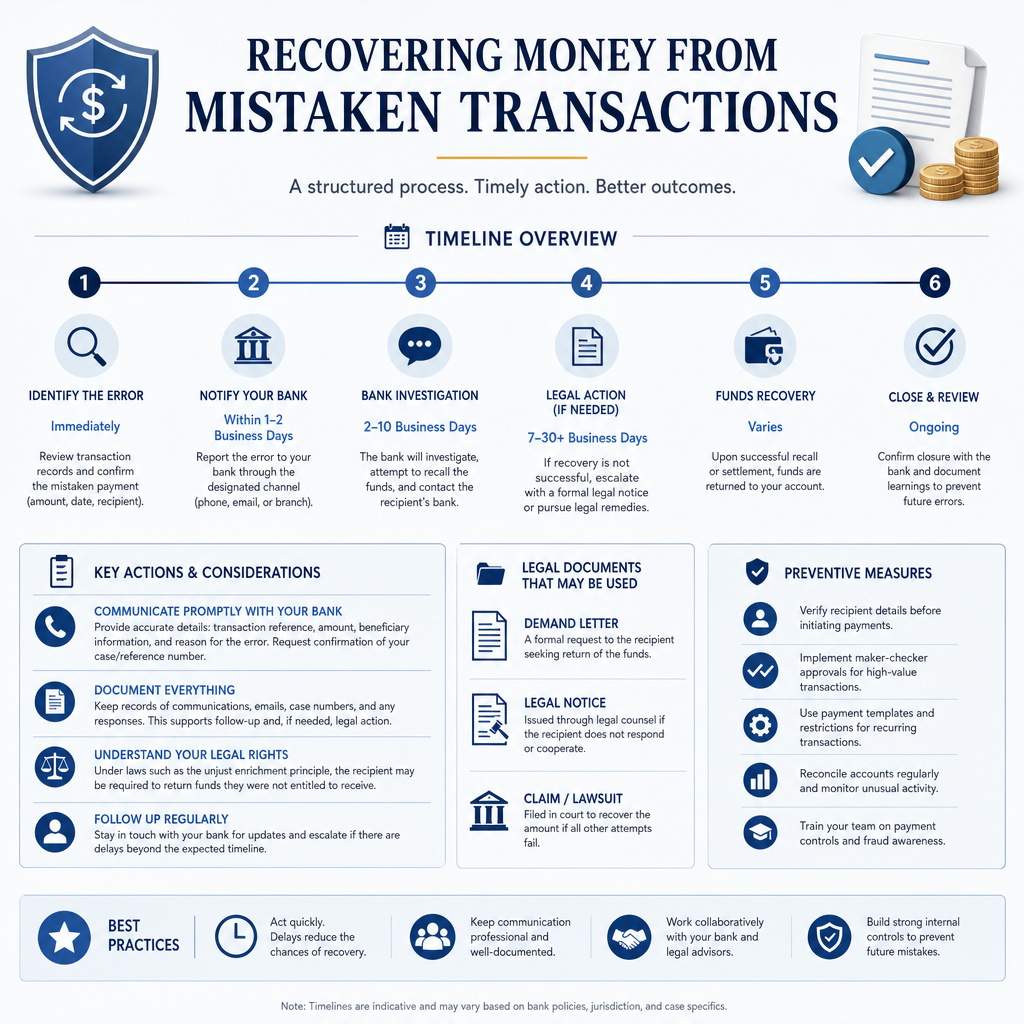
Table of Contents
Table of Contents
Swipe →In today's digital age, financial transactions have been made increasingly convenient. However, with this convenience comes a greater possibility for errors. Accidental transactions can occur for various reasons, whether it's a simple typing error, selecting the wrong recipient, or even technical glitches. If you've found yourself in a situation where you've mistakenly sent money to the wrong person or account, it's crucial to understand the steps necessary to recover your funds. This comprehensive guide will navigate the legal frameworks, procedures, and practical steps involved in recovering money from transactions made by mistake in India.
Understanding Accidental Transactions
Accidental transactions can take many forms, and understanding the root causes can aid in preventing them. They often occur due to human error, such as mistyped account numbers, incorrect beneficiary details, or selecting the wrong contact in a payment app. Technical errors, such as software glitches, can also lead to unintended transactions. Recognizing the nature of these errors is the first step in addressing them effectively. It is also important to differentiate between errors on the part of the payer and receiving party's fraudulent intentions, if any, as this distinction can affect the legal recourse available.
In cases where an error occurs, the immediate reaction should be to contact the financial institution or service provider. Most banks and digital payment platforms have protocols in place for such scenarios. However, the success of these processes can vary, and in some cases, legal action might be necessary.
In India, the Reserve Bank of India (RBI) provides guidelines for reversing erroneous transactions. These guidelines mandate that banks put mechanisms in place to handle such complaints efficiently. However, the responsibility often lies with the payer to initiate the recovery process by providing all necessary details and evidence regarding the transaction in question.
Additionally, accidental transactions in a business context, such as paying the wrong vendor or overpaying an invoice, require a different approach. Businesses often have to follow up with internal policies and may need legal assistance to reclaim significant amounts. Understanding these dynamics is crucial for both individuals and businesses aiming to recover mistakenly sent funds.
Legal Framework Governing Money Recovery
India's legal system provides several frameworks under which recovery of money from mistaken transactions can be pursued. The relevant laws include the Payment of Wages Act, the Indian Penal Code (IPC), the Negotiable Instruments Act (NI Act), and other consumer protection regulations. Understanding these acts and how they apply to your situation is pivotal in navigating the complex legal landscape.
The Payment of Wages Act
The Payment of Wages Act primarily governs the payment of wages to employees. However, its relevance to mistaken transactions arises when salaries are overpaid or paid to the wrong account. Under this act, employers are entitled to recover overpaid wages, but they must follow due process, which typically involves notifying the employee and adjusting future payments.
Employers must ensure compliance with the act, which stipulates that unauthorized deductions from wages must be avoided unless legally justified. If an employee mistakenly receives excess payment, legal recovery should ideally be pursued through mutual agreement or legal proceedings, if necessary.
Indian Penal Code (IPC)
The IPC is applicable in cases where a mistaken transaction can be linked to fraud or dishonest intentions on the part of the recipient. Sections such as 403, which deals with dishonest misappropriation of property, and 415, which covers cheating, may be applicable if the recipient refuses to return the funds.
A successful application of these sections requires clear evidence of the recipient's fraudulent intent. Legal advice from a professional, such as those available through services like Legal Recovery, can aid in determining the applicability of these sections to your specific case.
The Negotiable Instruments Act (NI Act)
The NI Act governs cheques and promissory notes, and it could be applicable in cases of mistaken bank transfers or bounced cheques. In the event of a cheque sent to the wrong recipient, the act provides mechanisms for recovery, such as filing a case under Section 138, which deals with dishonor of cheque for insufficiency of funds.
This act requires adherence to specific protocols, such as issuing a demand notice within 30 days of the cheque's return. If the recipient does not comply, legal proceedings can be initiated, potentially resulting in penalties and recovery of the principal amount.
Steps to Recover Money from Accidental Transactions
Recovering funds from mistaken transactions requires a systematic approach, starting from immediate communication with the financial institution to potential legal action. Here is a step-by-step guide:
Immediate Notification
The first step in any recovery process is to immediately notify your bank or payment provider of the mistaken transaction. Most financial institutions have dedicated channels for such issues, whether through customer service lines or online portals. Providing them with transaction details, such as the time, date, recipient details, and amount is crucial for initiating an investigation.
Timely notification increases the chances of stopping the transaction before it is processed. However, if the funds have already been transferred, the bank can assist by contacting the recipient's bank to request a reversal of funds. While this is not guaranteed, especially if the recipient disputes the reversal, it is an essential step in the recovery process.
Gathering Evidence
Gathering evidence is crucial, especially if you need to escalate the issue legally. This includes transaction receipts, bank statements, screenshots of digital transactions, and any correspondence with the bank or recipient. Documentation serves both as proof of the transaction and as a record of your attempts to resolve the issue amicably.
In the unfortunate event of legal proceedings, this evidence will form the basis of your case. As such, ensuring accuracy and comprehensive documentation is essential for a successful recovery.
Formal Communication with Recipient
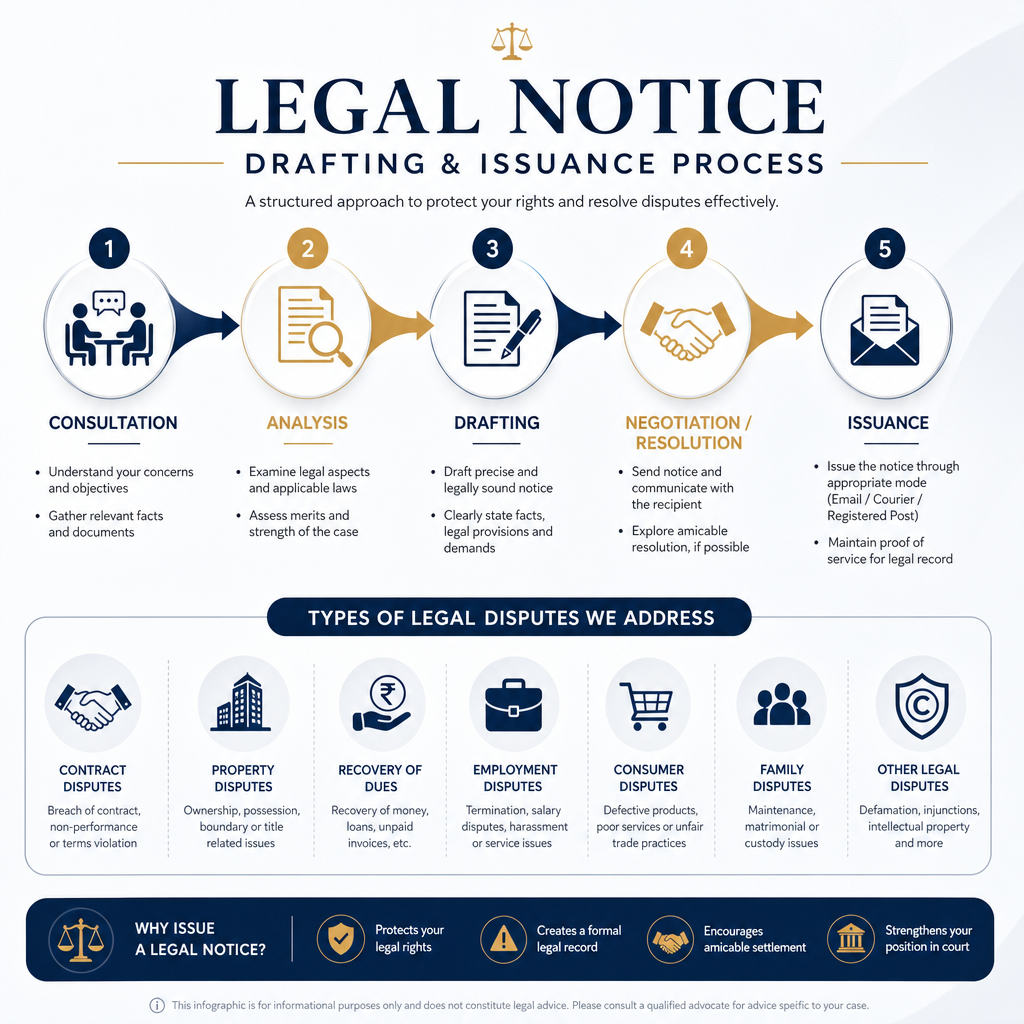
If direct communication with the recipient is possible, it is advisable to send a formal request for reimbursement. This can be done via email or registered post, ensuring that you have proof of communication. The tone should be professional and non-confrontational, outlining the error and requesting a return of funds.
Many recipients may agree to return the funds once the error is highlighted. If the recipient is uncooperative, this communication serves as evidence of your attempts to resolve the issue without legal intervention.
Escalating the Issue
If the recipient is unresponsive or refuses to return the money, escalating the issue may be necessary. This can involve filing a formal complaint with your bank's grievance redressal cell. Most banks have a structured complaint resolution process, and if unresolved, the matter can be escalated to the Banking Ombudsman.
The Banking Ombudsman Scheme allows consumers to file complaints against banks for unresolved issues. Complaints can be filed online or in writing, and the Ombudsman can mediate to reach a resolution. However, this process may be time-consuming, and patience is required. For more insights on this, you can check Legal Recovery's blog for detailed articles on the subject.
Statutory Recovery Metrics & Resolution Benchmark
Disputes resolved via formal statutory legal demand notices.
Average statutory compliance response timeline.
Mandatory refund of statutory levies under Indian Acts.
Interest compensation claimable under MSME & NI Acts.
Legal Proceedings for Recovery
When all non-legal avenues have been exhausted, legal proceedings may be necessary. These can take several forms, depending on the nature of the transaction and the recipient's response:
Civil Suit for Recovery
A civil suit can be filed in a local court to recover mistakenly transferred funds. This involves drafting a plaint, which is a written statement of your case, and submitting it to the court. The plaint should detail the transaction, the error, and attempts to recover the funds.
The court will issue a summons to the recipient, requiring them to appear and respond. If the court finds in your favor, it can order the recipient to return the funds and potentially award damages for any losses incurred.
Legal representation is highly recommended for civil suits, as the process can be complex and time-consuming. Firms like Legal Recovery offer expertise in handling such cases, ensuring adherence to all legal protocols and maximizing the chances of a favorable outcome.
Criminal Proceedings
If there is evidence of fraudulent intent or misappropriation by the recipient, criminal proceedings may be appropriate. Filing a First Information Report (FIR) with the local police is the first step. The police will investigate, and if sufficient evidence is found, charges may be filed under relevant sections of the IPC.
Criminal proceedings can be lengthy and require compelling evidence to prove intent. Legal advice is crucial in determining the viability of this route, especially considering the potential implications for the recipient. Learn more about the process of legal recovery by consulting with legal experts.
Preventive Measures to Avoid Mistaken Transactions
While recovery is possible, prevention is always preferable. Implementing preventive measures can save time, stress, and resources associated with recovering funds. Here are some strategies to consider:
Double-checking Details
The most straightforward preventive measure is to double-check all transaction details before confirming. This includes verifying account numbers, recipient names, and amounts. Taking a moment to review this information can prevent costly mistakes, especially in large transactions.
In corporate settings, implementing a dual-approval system for transactions can add an extra layer of security. This involves having multiple team members review and approve transactions before they are finalized.
Utilizing Payment Alerts
Most banks and payment platforms offer transaction alerts via SMS or email. These alerts provide immediate notification of any debit from your account, allowing for quick action if a mistake is detected.
Setting up these alerts is a simple process, usually available through online banking portals or mobile apps. Ensuring that these notifications are active and monitored can significantly mitigate the risk of undetected errors.
Regular Reconciliation
Regular reconciliation of transaction records against bank statements is a crucial practice for both individuals and businesses. This involves comparing recorded transactions with bank statements to identify any discrepancies promptly.
Businesses, in particular, should incorporate reconciliation into their monthly financial review processes. By doing so, any errors can be identified and addressed quickly, minimizing the potential for prolonged financial exposure.
Case Studies on Recovery
Examining real-life case studies can provide valuable insights into the complexities of recovering funds from mistaken transactions. Here are a few examples:
Case Study 1: Mistaken Online Transfer
A consumer accidentally transferred ₹50,000 to a wrong account number due to a typographical error. Upon realizing the mistake, they immediately contacted their bank. The bank attempted to reverse the transaction but the recipient, unaware of the error, had already withdrawn the funds.
The consumer then contacted the recipient, who agreed to return the money upon understanding the mistake. This case highlights the importance of immediate action and clear communication in resolving accidental transactions amicably.
Case Study 2: Business Payment Error
A small business overpaid a vendor by ₹1 lakh due to an accounting error. Upon discovering the mistake during a monthly reconciliation, they contacted the vendor, who initially refused to return the excess payment, citing contractual obligations.
The business sought legal assistance and issued a formal demand notice to the vendor. With legal pressure, the vendor agreed to reconcile the amount against future invoices. This case underscores the need for persistent follow-up and legal recourse in business contexts.
Case Study 3: Fraudulent Transfer
An individual fell victim to a phishing scam, resulting in ₹2 lakh being transferred to a fraudulent account. Despite immediate notification to the bank, the funds were unrecoverable through standard channels.
The individual filed a police report and pursued criminal proceedings against the fraudsters. While the legal process was lengthy, the case emphasizes the importance of legal action in cases of clear fraud.
Conclusion: Navigating Money Recovery
Recovering money from transactions made by mistake is a multifaceted process that requires prompt action, clear communication, and sometimes legal intervention. While the legal frameworks in India provide avenues for recovery, understanding and navigating these processes is crucial for success.
Whether you're an individual or a business, services like Legal Recovery offer the expertise necessary to guide you through the complexities of legal and recovery procedures. By implementing preventive measures and understanding the legal landscape, you can minimize the risk of accidental transactions and ensure swift resolution should they occur.
For more information on legal recovery services, visit Legal Recovery's contact page to get in touch with professionals who can assist in reclaiming your funds efficiently.
Popular Searches & Related Topics

Legal Recovery is India's trusted consumer protection and legal tech platform. We specialize in holding corporations accountable for unfair trade practices, deceptive marketing, and commercial fraud. With over 15,000 customers counselled, our mission is to provide fast, out-of-court resolutions by connecting you with top-tier panel advocates for immediate legal action.
Client Reviews
"The recovery service was incredibly effective and professional. They handled my case with expertise and ensured my money was recovered swiftly."
Rajesh Kumar
"I was amazed at how quickly Legal Recovery helped me retrieve funds from a mistaken transaction. Their team kept me informed throughout the process and ensured a successful outcome."
Priya Sharma
"With Legal Recovery's help, I managed to recover a significant amount mistakenly transferred to a wrong account. Their legal team was supportive and efficient."
Anita Desai
"I highly recommend this service to anyone facing similar issues. Their systematic approach and dedication to recovering my funds were impressive."
Vivek Patel
"The professional guidance provided by Legal Recovery was invaluable. Their attention to detail and legal knowledge made the recovery process seamless."
Sunita Rao
Frequently Asked Questions
Related Articles
About Author
Team LegalRecovery
View ProfileTeam LegalRecovery is a dedicated team of legal and financial professionals specializing in loan settlement, banking disputes, debt relief, and corporate compliance. We are committed to helping clients achieve debt freedom and business stability through expert strategic advisory.
Connect on LinkedInNeed Legal Help?
Get expert advice on loan settlement, banking disputes and debt relief.
Start Recovery NowRequest Callback