Legal Recovery of Loan from Customer Guide
Explore effective strategies to recover loans legally from customers.
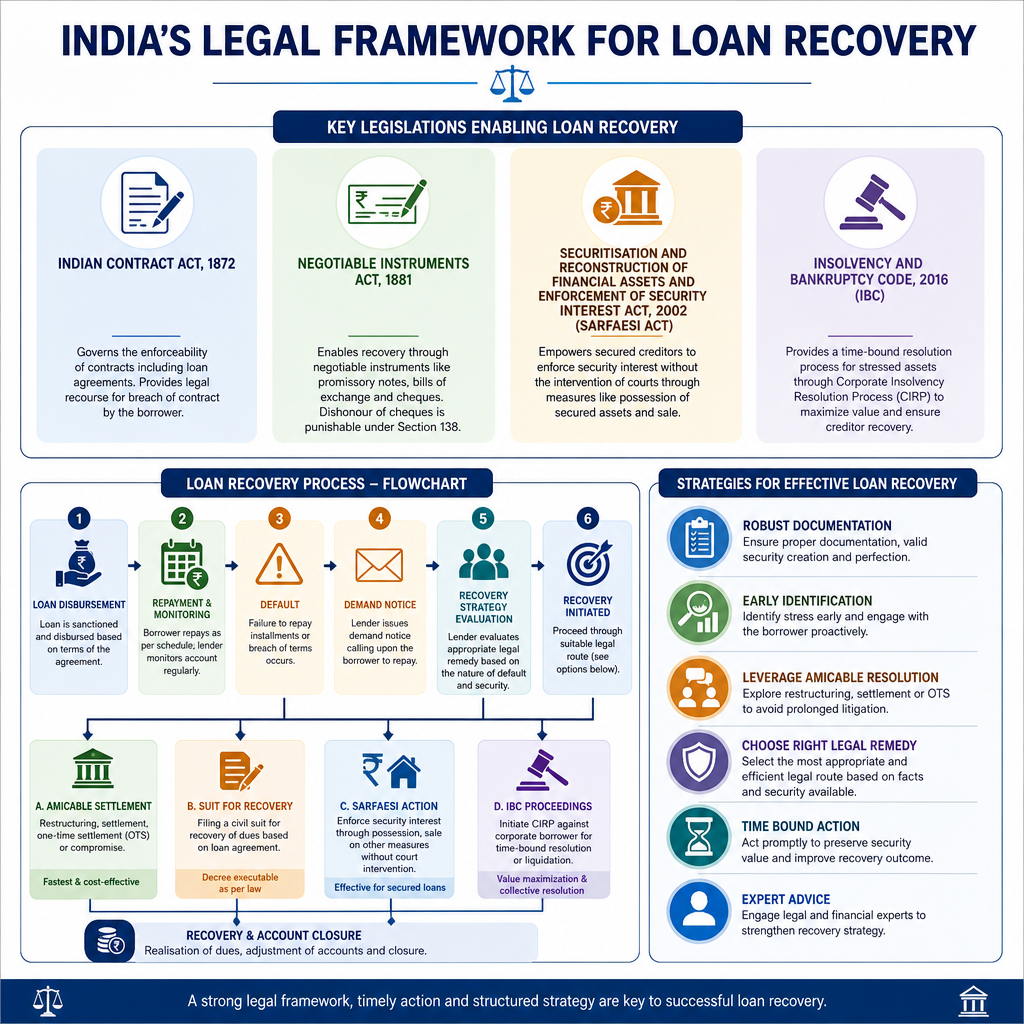
Table of Contents
Table of Contents
Swipe →Understanding the Legal Framework for Loan Recovery
In India, the legal recovery of loans from customers is governed by a robust set of statutes and regulations. A lender must navigate these legal pathways meticulously to ensure the recovery process is lawful, ethical, and effective. The primary legislative frameworks include the Indian Contract Act, 1872, the Negotiable Instruments Act, 1881, the Recovery of Debts Due to Banks and Financial Institutions Act, 1993, and the Insolvency and Bankruptcy Code, 2016. Each of these acts provides specific provisions and procedures to address unique facets of loan recovery.
The Indian Contract Act, 1872, lays down the rules and regulations concerning agreements and contracts, providing the legal foundation for the recovery of loans. Under this act, a loan agreement constitutes a contract, and any breach allows the lender to seek remedies. Additionally, the Negotiable Instruments Act, 1881, is particularly relevant for loans involving cheques, as it outlines the legal recourse available in case of cheque bouncing or dishonor.
The Recovery of Debts Due to Banks and Financial Institutions Act, 1993, or the RDDBFI Act, facilitates the recovery of debt by banks and financial institutions. This act led to the establishment of Debt Recovery Tribunals (DRTs), which offer expedited adjudication of loan-related disputes. Finally, the Insolvency and Bankruptcy Code, 2016, provides a comprehensive framework to deal with insolvency and bankruptcy, helping lenders recover dues from insolvent borrowers.
As these acts demonstrate, the legal framework for loan recovery in India is multi-faceted and comprehensive. By understanding these laws, lenders can better navigate the recovery process, ensuring not only compliance but also the protection of their financial interests.
Strategies for Legal Loan Recovery
Loan recovery is a critical aspect of financial management that requires tact and legal acumen. The first step in the recovery process typically involves the assessment of the debtor’s financial condition and the nature of the debt. Lenders must determine whether the debt is secured or unsecured, as this will influence the recovery strategy. Secured debts, backed by collateral, generally afford lenders greater leverage in recovery efforts.
One of the most effective strategies for loan recovery is negotiation and settlement. This approach involves engaging with the borrower to reach a mutually agreeable settlement, often resulting in a revised payment plan or a reduced lump-sum payment. Such negotiations can be facilitated by a professional mediator or a legal consultant specializing in debt recovery. This strategy is not only cost-effective but also preserves the lender-borrower relationship.
In cases where negotiation fails, legal actions become necessary. Filing a suit in the appropriate court or tribunal can compel the borrower to repay the debt. This legal route, however, can be time-consuming and expensive, necessitating careful consideration. The involvement of legal professionals is crucial to navigate the complexities of the judicial system and ensure a favorable outcome.
For institutional lenders such as banks, the Securitization and Reconstruction of Financial Assets and Enforcement of Security Interest Act, 2002 (SARFAESI Act) is a powerful tool. It allows banks to auction off the secured assets of defaulting borrowers without court intervention, thereby expediting the recovery process. However, this act is applicable only to secured loans, underscoring the importance of collateral in loan agreements.
Finally, the use of arbitration can be a strategic alternative in resolving loan disputes. Arbitration provides a private, less formal forum for dispute resolution, which can be quicker and more cost-effective than litigation. It is essential for lenders to include a well-drafted arbitration clause in their loan agreements to take advantage of this mechanism.
Processes and Procedures in Loan Recovery
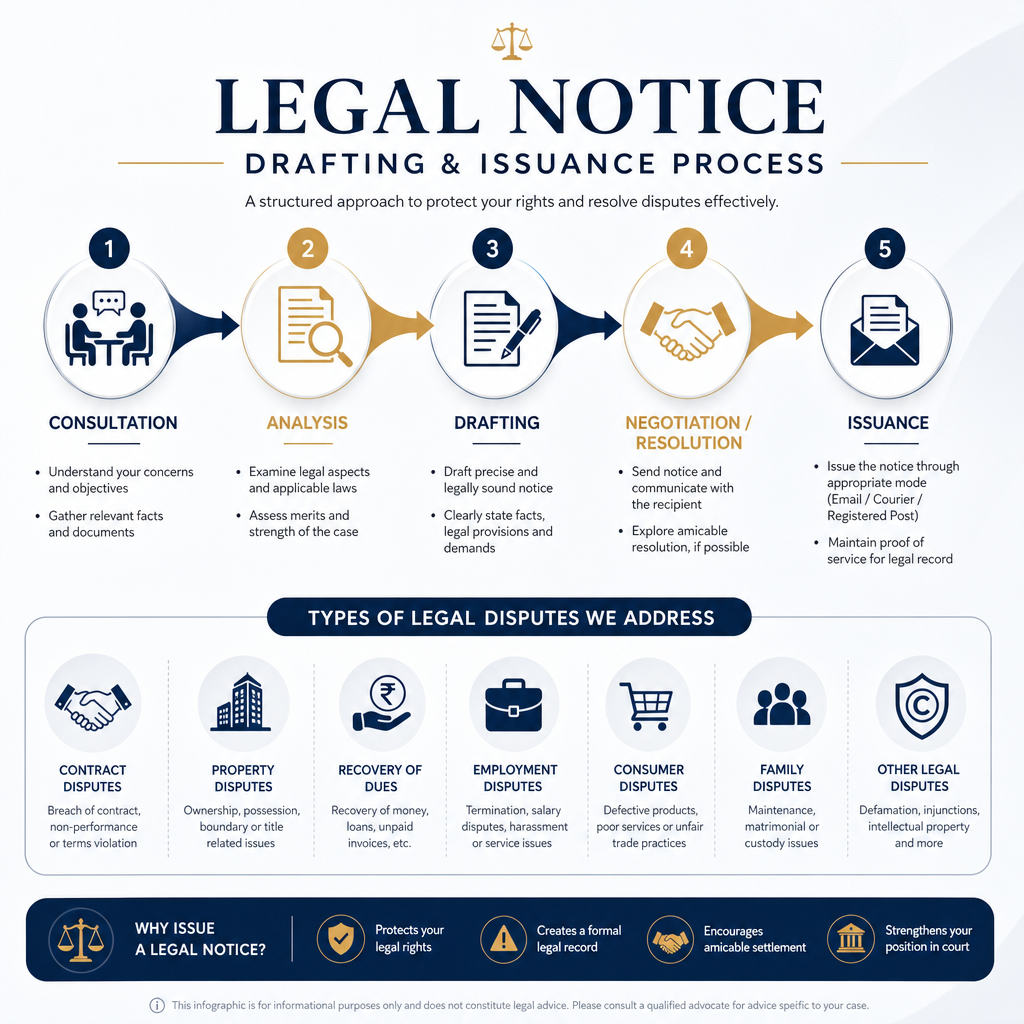
The loan recovery process commences with the lender sending a demand notice to the borrower. This notice should outline the outstanding amount, the due date, and any applicable penalties or interest. The demand notice serves as an official reminder to the borrower and establishes a record of the lender’s attempt to recover the debt amicably.
If the borrower fails to respond or refuses to cooperate, the lender may proceed with legal action. Filing a suit requires a detailed understanding of jurisdiction and the appropriate legal forum. For debts under ₹20 lakh, litigation will typically commence in the civil court, while amounts exceeding this threshold fall under the purview of the Debt Recovery Tribunal (DRT). The DRT provides a specialized platform for handling complex loan recovery cases, ensuring a more efficient judicial process.
The legal proceedings involve the preparation and submission of necessary documentation, including the loan agreement, demand notice, communication records, and evidence of default. This documentation serves to substantiate the lender's claim and is critical in persuading the court or tribunal of the validity of the recovery demand.
In scenarios where the borrower defaults on a cheque payment, the lender can invoke the provisions of Section 138 of the Negotiable Instruments Act, 1881. This section criminalizes cheque dishonor and provides for penalties, including imprisonment and fines. To initiate proceedings under this act, the lender must issue a notice to the borrower within 30 days of receiving the cheque return memo, demanding payment. If the borrower fails to comply, the lender can file a complaint in the magistrate's court.
The outcome of legal proceedings may result in a court order directing the borrower to repay the debt or, in certain cases, liquidating the borrower’s assets to settle the dues. It is imperative for lenders to comply with all judicial directives and maintain transparency throughout the recovery process to uphold legal and ethical standards.
Documentation and Evidence Required for Loan Recovery
Proper documentation and the collection of relevant evidence are pivotal in successful loan recovery. The primary document is the loan agreement, which should clearly outline the terms and conditions, including repayment schedules, interest rates, collateral clauses, and default penalties. This agreement serves as the legal basis for any recovery action and must be meticulously drafted to withstand judicial scrutiny.
In addition to the loan agreement, maintaining records of all communications with the borrower is crucial. This includes emails, letters, and notices sent to the borrower regarding the outstanding dues. Such records demonstrate the lender’s persistent efforts to recover the loan, reinforcing their legal standing in court.
Financial statements and payment records are also essential. These records provide a clear financial history of the borrower, indicating any previous defaults, partial payments, or attempts at settlement. They serve as a factual basis for presenting the lender's case, highlighting discrepancies between agreed terms and actual payments.
For secured loans, documents related to the collateral are vital. These may include title deeds, registration documents, and valuation reports. Having clear and undisputed evidence of ownership and the value of the collateral strengthens the lender's position, especially in cases where asset liquidation is pursued.
Witness testimony and expert opinions can further bolster the lender's case. Witnesses who can attest to the borrower's acknowledgment of the debt or their default can provide compelling evidence in court. Similarly, expert appraisals of collateral value can aid in achieving a fair resolution, ensuring that recovered amounts accurately reflect the debtor’s obligations.
Statutory Recovery Metrics & Resolution Benchmark
Disputes resolved via formal statutory legal demand notices.
Average statutory compliance response timeline.
Mandatory refund of statutory levies under Indian Acts.
Interest compensation claimable under MSME & NI Acts.
Case Studies: Successful Loan Recovery
Case studies of successful loan recoveries provide invaluable insights into effective strategies and real-world applications of legal principles. Consider the case of a major Indian bank that utilized the SARFAESI Act to recover a substantial loan from a defaulting corporate borrower. The borrower had pledged significant industrial assets as collateral, which the bank subsequently auctioned to recover the dues. The swift execution of the SARFAESI Act provisions allowed the bank to minimize losses and secure financial stability.
Another illustrative example involves a small business lender that engaged in negotiations to settle a pending loan with a start-up company. The lender, understanding the start-up's cash flow issues, offered a reduced lump-sum settlement, which the borrower accepted. This negotiation not only recovered a significant portion of the loan but also preserved the lender’s relationship with the borrower, potentially paving the way for future business engagements.
An individual lender's experience with legal action exemplifies the importance of judicial processes in loan recovery. The lender filed a suit in a civil court when the borrower failed to repay a personal loan. Despite the lengthy trial, the court eventually ruled in favor of the lender, resulting in an order for the borrower to liquidate assets to satisfy the debt. This case highlights the resilience required in pursuing legal remedies but also demonstrates the eventual success when supported by solid evidence and adherence to legal protocols.
These case studies underscore various facets of loan recovery, including the importance of statutory tools, the efficacy of negotiations, and the role of judicial intervention. They serve as practical guides, offering strategies and lessons for lenders navigating the complex landscape of debt recovery.
Regulatory Compliance and Ethical Considerations
Regulatory compliance is a cornerstone of lawful loan recovery. Lenders must adhere to the Reserve Bank of India (RBI) guidelines, which outline fair practices and ethical standards in loan recovery. These guidelines emphasize transparency, borrower rights, and the proper conduct of recovery agents. Ignoring these norms can lead to legal penalties and reputational damage.
The RBI mandates that recovery agents must undergo thorough training and operate under strict supervision. Agents are prohibited from using forceful or intimidating tactics, and any non-compliance can result in significant fines or the suspension of the lender's license. This regulatory framework ensures that recovery efforts are conducted with integrity and respect for borrower rights.
Ethical considerations extend beyond compliance, encompassing the broader impact of recovery actions on the borrower. Lenders should strive to balance their recovery objectives with empathy, recognizing the financial hardships borrowers may face. Engaging in open dialogue, providing flexible repayment options, and offering financial counseling are ways to maintain ethical standards while pursuing due payments.
Corporate social responsibility (CSR) can play a role in shaping ethical loan recovery practices. Lenders that integrate CSR into their business models may implement policies that support financial literacy and debt management programs for borrowers. Such initiatives not only enhance the lender's public image but also contribute to long-term financial stability and sustainability for both parties.
In essence, regulatory compliance and ethical considerations are integral to effective loan recovery. By aligning recovery practices with legal mandates and ethical principles, lenders can achieve successful outcomes while maintaining their reputation and fostering positive customer relationships.
Challenges in Loan Recovery and Mitigation Strategies
Loan recovery presents several challenges that lenders must navigate carefully. One of the primary challenges is the prolonged legal process, which can be cumbersome and expensive. The backlog of cases in Indian courts often results in delays, making timely recovery a significant hurdle. Lenders can mitigate this challenge by exploring alternative dispute resolution mechanisms such as arbitration or mediation, which offer quicker and more cost-effective outcomes.
Another challenge is locating and serving notices to borrowers who may have changed their address or are intentionally avoiding contact. To address this issue, lenders should employ diligent tracking strategies, leveraging technology to locate borrowers effectively. Engaging professional tracing agents or utilizing database services can assist in overcoming this obstacle.
Borrower insolvency is a substantial impediment to loan recovery. When borrowers declare bankruptcy, lenders may face difficulties in recovering dues, as they become part of a long list of creditors. In such scenarios, lenders need to promptly initiate insolvency proceedings under the Insolvency and Bankruptcy Code, 2016, to secure their interests. Prioritizing secured lending and maintaining comprehensive documentation of collateral can further mitigate the risks associated with borrower insolvency.
Legal ambiguities and jurisdictional issues also pose challenges in loan recovery. Discrepancies in state laws and interpretations can lead to complications, especially for lenders operating across multiple jurisdictions. Employing legal experts with deep knowledge of local laws can help navigate these complexities and ensure compliance with regional regulations.
Ultimately, proactive planning and strategic approaches are essential in overcoming the challenges of loan recovery. By anticipating potential obstacles and implementing robust mitigation strategies, lenders can enhance their recovery efforts and safeguard their financial assets.
Conclusion: Navigating the Path to Effective Loan Recovery
The legal recovery of loans from customers is a multifaceted process that requires a comprehensive understanding of the legal frameworks, strategic planning, and adherence to ethical standards. By leveraging the tools provided by legislation such as the Indian Contract Act, 1872, and the Insolvency and Bankruptcy Code, 2016, lenders can pursue effective recovery strategies that are both lawful and efficient.
Maintaining meticulous documentation, employing negotiation and alternative dispute resolution methods, and ensuring regulatory compliance are pivotal in navigating the loan recovery landscape. Lenders must also address the challenges posed by legal delays, borrower insolvency, and jurisdictional complexities through proactive measures and expert guidance.
For more detailed information on loan recovery services and bespoke advice, visit Legal Recovery Services and explore the range of solutions offered by experts in the field. Additionally, understanding the procedural aspects and client-focused service provision can be gleaned by examining the How It Works section.
Ultimately, the goal of effective loan recovery is to reclaim financial dues while maintaining ethical standards and fostering long-term customer relationships. By integrating legal expertise with compassionate practices, lenders can achieve this balance and secure both their financial and reputational interests.
Popular Searches & Related Topics

Legal Recovery is India's trusted consumer protection and legal tech platform. We specialize in holding corporations accountable for unfair trade practices, deceptive marketing, and commercial fraud. With over 15,000 customers counselled, our mission is to provide fast, out-of-court resolutions by connecting you with top-tier panel advocates for immediate legal action.
Client Reviews
"The loan recovery service was incredibly professional and effective. They navigated the complexities with ease and secured a favorable outcome. Highly recommend their expertise!"
Arjun Patel
"I am thoroughly impressed with the negotiation skills of the team. They managed to reach a fair settlement that preserved our business relationship. Excellent service!"
Priya Sharma
"The recovery process was swift and hassle-free thanks to the knowledgeable team. Their understanding of legal protocols was evident throughout. Great experience!"
Vikram Singh
"I appreciated the ethical approach taken by the recovery service. They were transparent and respectful, ensuring compliance with all regulations. A trustworthy partner in loan recovery!"
Anita Desai
"Outstanding service! The team's strategic planning and documentation skills were key to our successful loan recovery. Highly recommended for any complex recovery needs."
Rohit Mehta
Frequently Asked Questions
Related Articles
About Author
Team LegalRecovery
View ProfileTeam LegalRecovery is a dedicated team of legal and financial professionals specializing in loan settlement, banking disputes, debt relief, and corporate compliance. We are committed to helping clients achieve debt freedom and business stability through expert strategic advisory.
Connect on LinkedInNeed Legal Help?
Get expert advice on loan settlement, banking disputes and debt relief.
Start Recovery NowRequest Callback