Effective Invoice Recovery for Doctors and Pharmacists
Learn strategies to recover stuck invoices efficiently

Table of Contents
Table of Contents
Swipe →Recovery of invoices for doctors and pharmacists
Doctors and pharmacists are vital to the healthcare industry, providing indispensable services and products. However, the financial challenges they face due to unpaid invoices can severely impact their cash flow and operations. The Indian Contract Act, 1872, provides a solid legal foundation for recovering dues stemming from contractual obligations. Understanding the intricacies of this Act is crucial for healthcare professionals seeking to enforce payment of stuck invoices effectively.
At its core, the Indian Contract Act sets forth the legal principles governing contracts between parties. For doctors and pharmacists, contracts with hospitals, clinics, and suppliers typically involve agreements for services or goods. When a party defaults on their payment obligations, the aggrieved party can invoke specific sections of the Act to seek redress. Establishing a breach of contract, identifying the defaulting party, and exploring legal remedies are fundamental steps in this process.
One of the primary provisions applicable is Section 73 of the Indian Contract Act, which pertains to the compensation for loss or damage caused by the breach of contract. When a healthcare professional's invoices remain unpaid beyond the agreed timeline, they may claim compensation. This would typically cover direct losses incurred, such as interest on the delayed payment and any consequential damages resulting from the breach.
In addition to Section 73, other relevant sections of the Act, such as Section 74, which deals with penalties and liquidated damages, may be applicable. If the contract stipulates a penalty for delayed payment, or if a liquidated damages clause is included, healthcare providers can leverage these provisions to strengthen their recovery claim. Proper documentation of the contract terms, payment schedules, and any correspondence with the debtor will be essential to substantiate the claim.
Drafting Effective Legal Notices for Pending Invoices
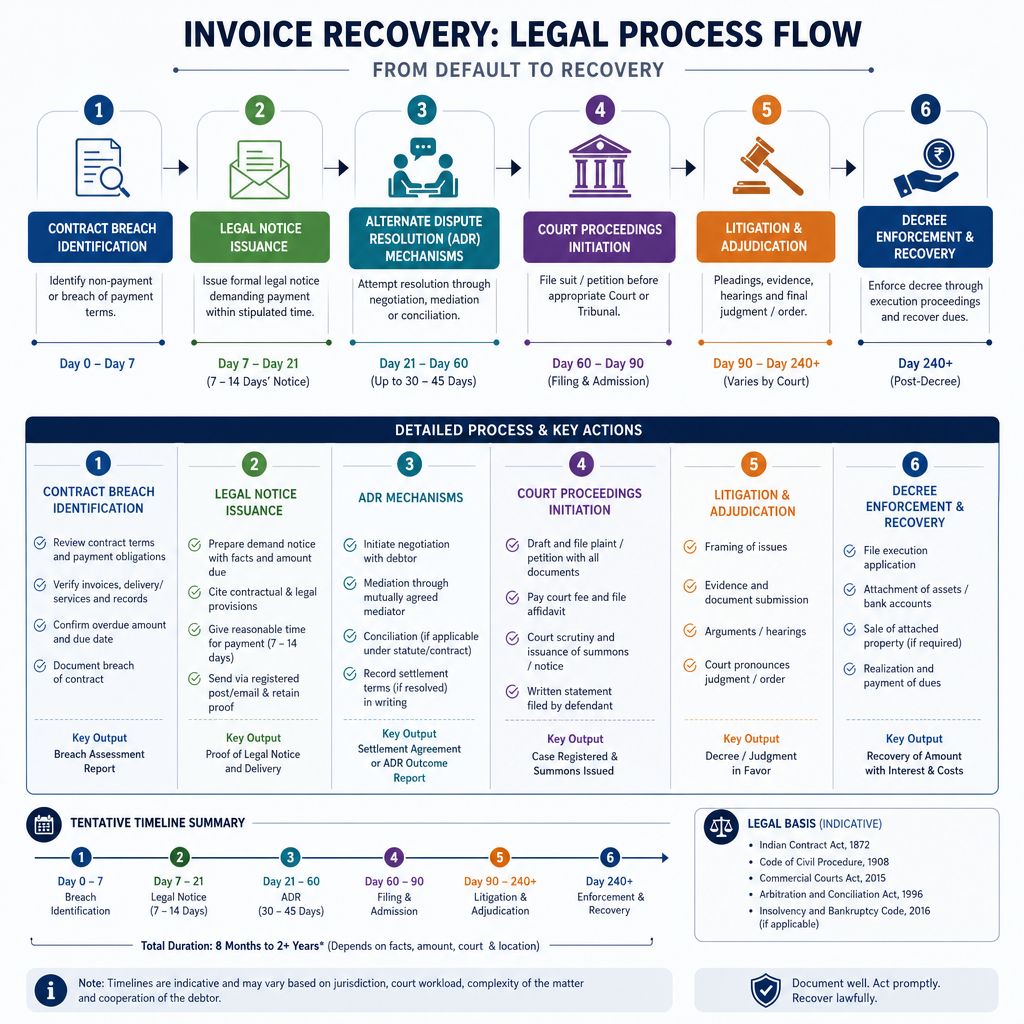
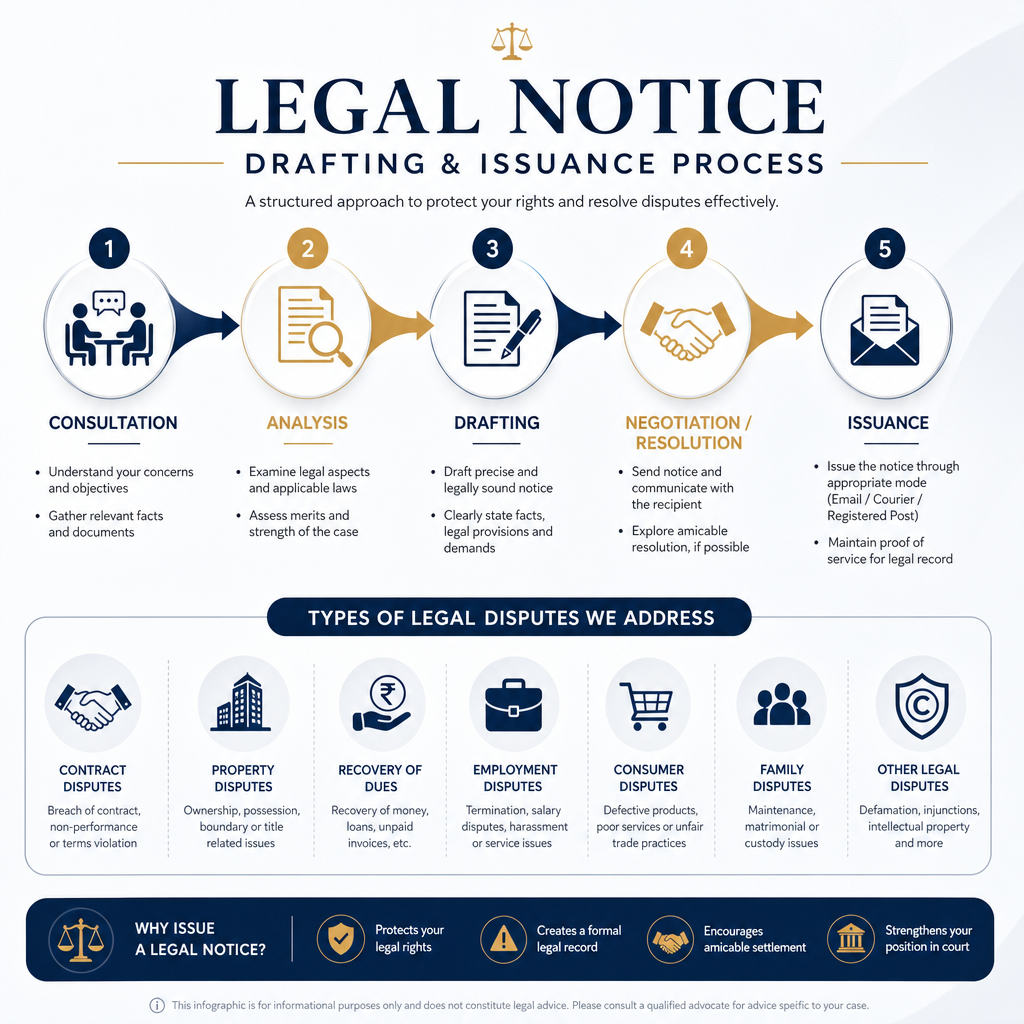
One of the first steps towards recovering unpaid invoices is the issuance of a legal notice. A well-drafted legal notice serves not only as a formal demand for payment but also as an indication of the sender's intent to pursue legal action if necessary. This process is vital in emphasizing the seriousness of the payment default and often prompts the debtor to settle the dues.
The contents of a legal notice must be comprehensive and precise, detailing the outstanding amount, the specific invoices, the due date, and any interest accumulated due to the delay. It should also reference any previous attempts to resolve the issue amicably, demonstrating that the notice is a last resort. The notice should specify a deadline for payment, typically within 15 to 30 days, providing a clear ultimatum to the debtor.
While drafting a legal notice, it is important to adhere to the legal standards of the jurisdiction. Engaging a legal expert can ensure that the notice is constructed in compliance with the required legal framework. Professional legal drafting reduces the likelihood of errors and enhances the enforceability of the notice in a legal setting. For more detailed guidance on drafting legal notices, healthcare professionals can refer to resources such as how to send a legal notice for recovery of money in India.
Once the legal notice is dispatched, the recipient's response, or lack thereof, will dictate the subsequent course of action. If the debtor fails to respond or refuses to pay, the healthcare provider may have to escalate the issue through formal legal proceedings. It is crucial to maintain a meticulous record of all communications, as this will serve as evidence if the matter progresses to court.
Negotiation and Alternative Dispute Resolution (ADR) Mechanisms
Before resorting to litigation, exploring negotiation and alternative dispute resolution (ADR) mechanisms can be beneficial. Negotiation allows both parties to engage in direct communication to resolve the payment dispute. This approach is often more cost-effective and time-efficient compared to court proceedings, making it an attractive first step for healthcare providers. Successful negotiation can restore and maintain professional relationships, which is particularly important in the interconnected world of healthcare.
When direct negotiation fails, ADR mechanisms such as mediation and arbitration offer structured environments for resolving disputes. Mediation involves a neutral third party who facilitates dialogue between the disputing parties, aiming for a mutually agreeable solution. Arbitration, on the other hand, resembles a court proceeding where an arbitrator listens to both sides and renders a binding decision.
Both mediation and arbitration offer confidentiality, which is crucial for professionals dealing with sensitive information. Additionally, these processes can be more flexible and less formal than court proceedings. For doctors and pharmacists, maintaining confidentiality and professional discretion is often paramount, making ADR a suitable option.
However, not all disputes are amenable to ADR, especially if they involve complex legal questions or require the enforcement powers of a court. In such scenarios, understanding the nuances of ADR and its applicability can guide healthcare professionals in making informed decisions. For more information on dispute resolution strategies, visit online dispute resolution in India.
Initiating Court Proceedings: A Step-by-Step Guide
When informal and ADR mechanisms prove ineffective, initiating court proceedings becomes necessary. The choice of the forum-whether a civil court, a small causes court, or a specialized tribunal like the Debt Recovery Tribunal-depends on the nature and amount of the claim. Understanding the procedural requirements and timelines is crucial for a successful legal pursuit.
Initially, the plaintiff must file a plaint, which is the formal document outlining the claim. The plaint should include details such as the parties, the cause of action, the relief sought, and any supporting documentation. Once filed, the court will issue a summons to the defendant, who must respond within a stipulated time, typically 30 days.
The discovery stage follows, where both parties exchange relevant evidence. This phase is critical for building a strong case, as it involves the submission of invoices, contracts, correspondence, and any other pertinent documents. Ensuring the completeness and accuracy of the evidence will bolster the credibility of the claim.
Subsequently, the hearing process commences, where both parties present their arguments and evidence before the judge. The court's decision will be based on the merits of the case, the evidence presented, and the applicable legal principles. If successful, the court may award the plaintiff a decree for the unpaid amount, along with any interest or costs incurred.
For a more detailed exploration of initiating court proceedings, healthcare providers can consult resources on civil suit for recovery of money in India. Understanding the intricacies of the legal process is essential for effective representation and advocacy in court.
Visual Dispute Resolution & Recovery Framework
Documentation and Evidence: Building a Strong Case
In legal disputes involving unpaid invoices, the strength of the case hinges on the quality and quantity of documentation and evidence presented. Proper record-keeping is a proactive measure that healthcare professionals should adopt to safeguard their financial interests. This includes maintaining comprehensive records of all transactions, communications, and agreements related to the invoices.
A robust documentary trail typically includes signed contracts, purchase orders, delivery receipts, payment acknowledgments, and all correspondence with the debtor. These documents serve as vital evidence to substantiate the claim of non-payment and establish the contractual obligations of the parties involved.
Additionally, keeping a record of any attempts to resolve the dispute amicably, such as emails or letters, can demonstrate the plaintiff's willingness to settle the matter out of court. This evidence can be persuasive in highlighting the unreasonable or unjustifiable stance of the debtor, thereby strengthening the plaintiff's position.
Healthcare professionals should also be aware of the evidentiary requirements stipulated by the Indian Evidence Act. Ensuring that all documents are properly authenticated and adherent to evidentiary standards will enhance their admissibility and reliability in court. For a comprehensive list of necessary documentation, refer to the evidence checklist for payment recovery cases.
The Role of the MSME Act 2006 in Invoice Recovery
For pharmacists who qualify as Micro, Small, and Medium Enterprises (MSMEs), the MSME Act, 2006 offers additional protections and remedies for recovering unpaid invoices. The Act mandates that payments to MSMEs must be made within 45 days from the day of acceptance or deemed acceptance of goods or services. If payments are delayed, the buyer is liable to pay compound interest with monthly rests to the supplier, at three times the bank rate notified by the Reserve Bank of India.
The MSME Samadhan portal is a significant resource for MSMEs, providing a platform to file online complaints against buyers who default on payments. The portal facilitates the resolution of disputes through the Micro and Small Enterprises Facilitation Council (MSEFC), which acts as an arbitrator or conciliator in payment disputes.
For pharmacists, leveraging the MSME Act and the Samadhan portal can expedite the recovery process, offering a streamlined and business-friendly alternative to traditional litigation. It is crucial for pharmacists to ensure they are registered as MSMEs to avail themselves of the protections and benefits under the Act.
The MSME Act payment recovery guide provides detailed insights into the registration process, the benefits of MSME status, and the procedural aspects of filing a complaint through the Samadhan portal. Pharmacists should familiarize themselves with these provisions to effectively navigate the recovery process.
Statutory Timelines and Limitation Periods in Invoice Recovery
The legal pursuit of unpaid invoices is governed by specific statutory timelines and limitation periods, which dictate the permissible timeframe for initiating claims. The Limitation Act, 1963, establishes these periods, ensuring that claims are made within a reasonable time to avoid disputes becoming stale and unmanageable.
For contractual disputes involving debts, such as unpaid invoices, the limitation period is generally three years from the date of the cause of action, which is typically the due date of payment. It is imperative for healthcare professionals to initiate recovery actions within this period to prevent their claims from being barred by limitation.
Understanding these timelines is critical for healthcare professionals, as missing the limitation period can result in the forfeiture of legal rights to recover the dues. Proper diary management and timely legal counsel can ensure adherence to these deadlines, safeguarding the financial interests of doctors and pharmacists.
The following table outlines the statutory timelines and limitation periods applicable to different aspects of invoice recovery:
Legal Action | Statutory Timeline | Limitation Period |
|---|---|---|
Issuance of Legal Notice | Within 30 days of default | Not applicable |
Filing Civil Suit for Debt Recovery | After the expiry of notice period | 3 years from due date |
Filing Complaint under MSME Act | Immediate upon default | 3 years from due date |
Arbitration Proceedings | As per arbitration agreement | 3 years from due date |
Practical Tips for Healthcare Professionals in Managing Receivables
Effective management of receivables is essential for maintaining a healthy cash flow and minimizing the risk of unpaid invoices. Healthcare professionals can adopt several practical strategies to ensure timely payments and reduce the likelihood of disputes.
Firstly, establishing clear and concise payment terms at the outset of the contractual relationship is crucial. These terms should be documented in writing, covering aspects such as payment deadlines, interest on overdue amounts, and penalties for late payment. Clear terms set expectations and provide a reference point for resolving disputes.
Secondly, implementing a robust invoicing system can streamline the billing process and enhance accountability. Automated invoicing software can track due dates, calculate interest, and generate reminders, reducing the administrative burden on healthcare professionals and ensuring timely follow-up on outstanding payments.
Thirdly, maintaining open lines of communication with clients and debtors can prevent misunderstandings and encourage prompt payments. Regular follow-ups and discussions about payment status can help identify any potential issues early and facilitate amicable resolutions.
Lastly, engaging with professional recovery services, such as vendor and invoice recovery services, can provide an additional layer of support and expertise. These services offer specialized knowledge in handling debt recovery, allowing healthcare professionals to focus on their core responsibilities while ensuring effective recovery of dues.
Popular Searches & Related Topics

Legal Recovery is India's trusted consumer protection and legal tech platform. We specialize in holding corporations accountable for unfair trade practices, deceptive marketing, and commercial fraud. With over 15,000 customers counselled, our mission is to provide fast, out-of-court resolutions by connecting you with top-tier panel advocates for immediate legal action.
Client Reviews
"The service was exceptional in recovering my unpaid invoices. The team was professional and knowledgeable about the legal process, making it stress-free for me."
Rajesh Kumar
"I was impressed with the efficiency and expertise in navigating the complexities of invoice recovery. The legal advice was clear, and the results were quick."
Priya Sharma
"Excellent service! The clear communication and adherence to legal standards ensured a successful recovery of my dues. Highly recommended for healthcare professionals."
Vikram Patel
"Their understanding of the MSME Act greatly aided my case. The process was smooth, and I received my payments promptly. Fantastic support throughout!"
Anjali Mehta
"The legal notice drafting was spot-on, and the follow-up was thorough. A hassle-free experience with professional service that delivered results."
Sahil Gupta
Frequently Asked Questions
Related Articles
About Author
Team LegalRecovery
View ProfileTeam LegalRecovery is a dedicated team of legal and financial professionals specializing in loan settlement, banking disputes, debt relief, and corporate compliance. We are committed to helping clients achieve debt freedom and business stability through expert strategic advisory.
Connect on LinkedInNeed Legal Help?
Get expert advice on loan settlement, banking disputes and debt relief.
Start Recovery NowRequest Callback