Strategies and Solutions for Effective Legal Debt Recovery
Unlock Proven Strategies for Successful Legal Debt Recovery

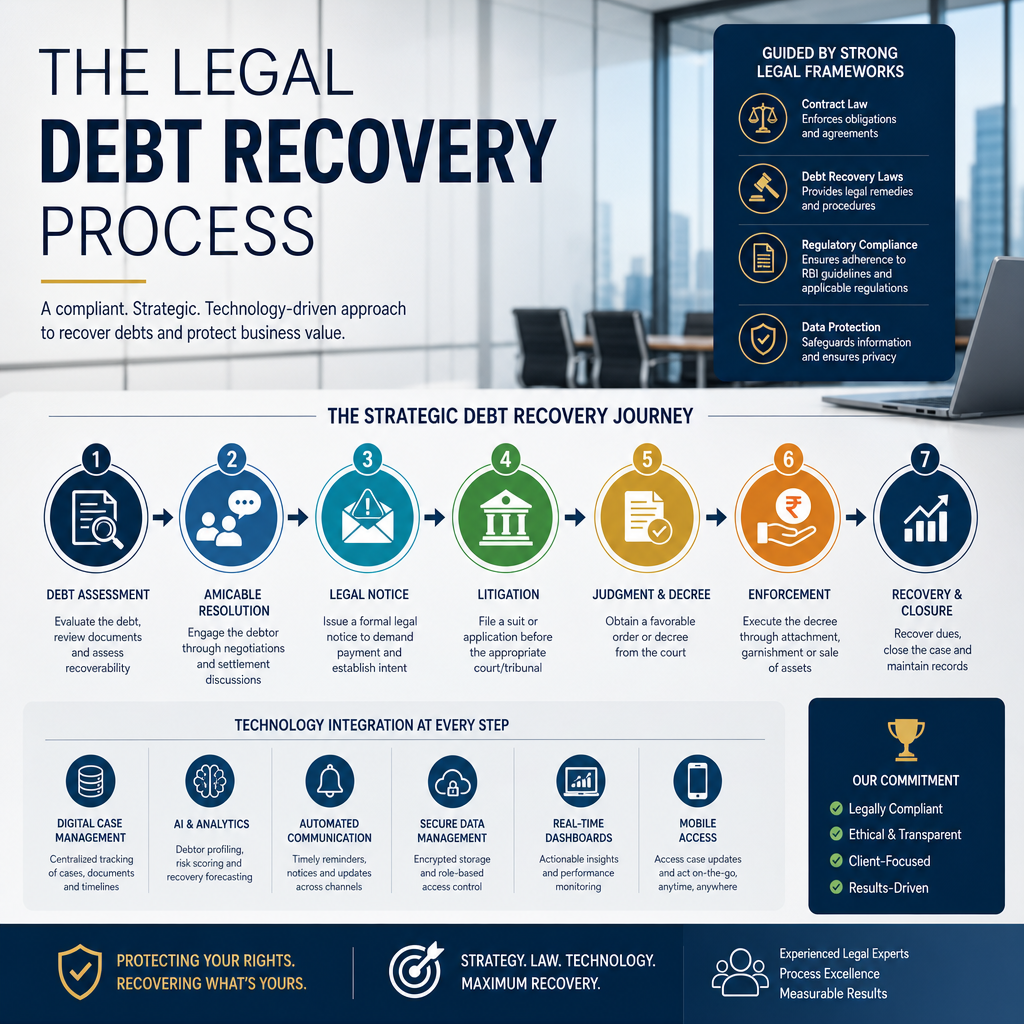
Table of Contents
Table of Contents
Swipe →Introduction to Legal Debt Recovery
Legal debt recovery involves the process of collecting outstanding debts through legal means. This practice is crucial for businesses, individuals, and financial institutions to maintain financial stability and liquidity. In India, legal debt recovery is governed by various laws and requires a strategic approach to be effective. This article explores the strategies and solutions for effective legal debt recovery, detailing the legal framework, procedural steps, evidence requirements, and case studies to provide a comprehensive guide to successful debt recovery.
Understanding the Legal Framework for Debt Recovery in India
The legal framework for debt recovery in India is comprised of several statutes that provide a structured approach to handling debt disputes. Among the most relevant are the Negotiable Instruments Act, 1881 (NI Act), the Payment of Wages Act, 1936, the Shops and Establishments Act, and the Gratuity Act, 1972. Each of these laws provides specific mechanisms and procedures for recovering debts, ensuring that creditors can enforce their rights while debtors are protected against unfair practices.
The Payment of Wages Act, 1936 regulates the timely payment of wages to employees and provides recourse for employees to claim unpaid wages. The Shops and Establishments Act governs the conditions of work and employment in shops and commercial establishments, offering a framework for employee rights and employer obligations.
The Gratuity Act mandates the payment of gratuity to employees who have completed a specified period of service, ensuring financial security upon termination of employment. The NI Act, on the other hand, addresses issues related to dishonored cheques, providing a legal remedy for recovering amounts due.
In addition to these, the Indian Contract Act and the Code of Civil Procedure offer general principles and procedures for debt recovery. Understanding these legal provisions is essential for formulating effective debt recovery strategies.
The Negotiable Instruments Act, 1881
The Negotiable Instruments Act, 1881 is a critical piece of legislation in the context of debt recovery. It primarily deals with the instruments such as promissory notes, bills of exchange, and cheques. Section 138 of the Act particularly deals with cases of cheque dishonor, which is a common issue in debt recovery scenarios.
Under Section 138, if a cheque is returned unpaid due to insufficient funds or if the amount exceeds the arrangement made with the bank, the drawer of the cheque is deemed to have committed an offense. The aggrieved party can send a legal notice to the drawer, demanding payment. If the payment is not made within 15 days, the creditor can file a complaint in the court of the Judicial Magistrate.
This legal provision acts as a deterrent against willful defaulters and provides a swift mechanism for recovering debts through legal channels. However, it is crucial for creditors to adhere strictly to the procedural requirements of the NI Act to ensure successful recovery.
Strategies for Effective Legal Debt Recovery
Effective debt recovery requires a well-thought-out strategy that combines legal knowledge, negotiation skills, and persistence. Here are some strategies that can significantly enhance the success rate of legal debt recovery:
1. Due Diligence and Assessment
Before initiating any recovery process, it is vital to conduct thorough due diligence. This involves assessing the debtor's financial situation, understanding their payment history, and evaluating the likelihood of recovery. A comprehensive assessment helps in deciding the most appropriate course of action, be it legal proceedings, arbitration, or negotiation.
Due diligence also involves reviewing all relevant documentation, such as contracts, invoices, and correspondence, to ensure that the claim is valid and enforceable. This step is crucial in building a strong case and avoiding unnecessary legal complications.
2. Effective Communication and Negotiation
Open communication with the debtor can often lead to an amicable resolution of the debt issue. Engaging in a constructive dialogue allows both parties to explore settlement options and avoid prolonged legal battles. Negotiation can result in payment plans or settlements that are mutually beneficial.
During negotiations, it's essential to be clear about the legal rights and obligations of both parties. Having a legal expert from Legal Recovery can greatly assist in these discussions, ensuring that the creditor's interests are protected while maintaining a cordial relationship with the debtor.
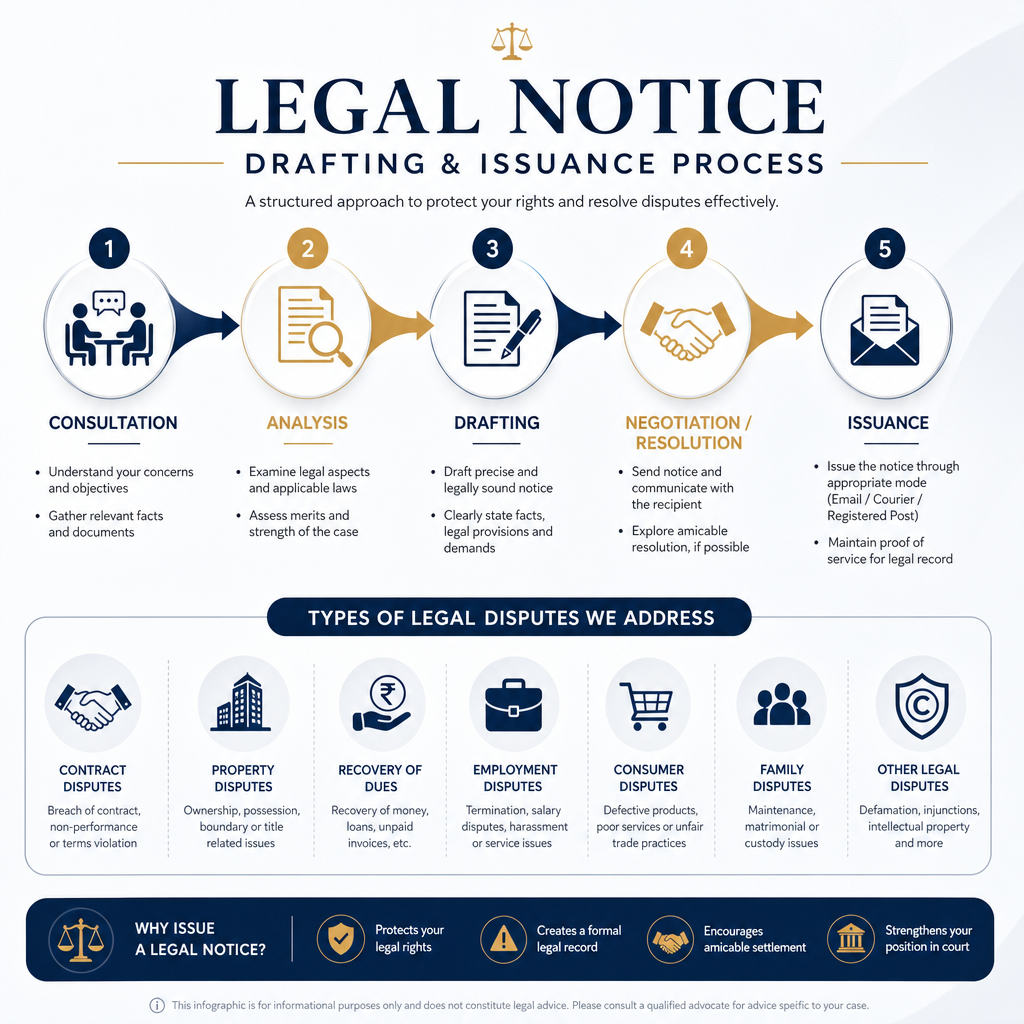
3. Legal Notices and Demand Letters
Sending a formal legal notice or demand letter is often the first step in the legal debt recovery process. This document serves to formally notify the debtor of the outstanding amount and demands payment within a specific timeframe.
A well-drafted legal notice, prepared with the assistance of a legal recovery service, can effectively communicate the seriousness of the situation and prompt the debtor to take action to avoid further legal consequences.
4. Leveraging Technology for Debt Recovery
In today's digital age, leveraging technology can greatly enhance the effectiveness of debt recovery efforts. Tools such as debtor tracking software, automated payment reminders, and online dispute resolution platforms can streamline the recovery process.
These technologies enable creditors to efficiently manage and monitor outstanding debts, reducing the time and resources spent on manual follow-ups and record-keeping. Implementing such solutions can improve the success rate of recoveries and minimize the strain on internal resources.
Statutory Recovery Metrics & Resolution Benchmark
Disputes resolved via formal statutory legal demand notices.
Average statutory compliance response timeline.
Mandatory refund of statutory levies under Indian Acts.
Interest compensation claimable under MSME & NI Acts.
Solutions for Successful Legal Debt Recovery
Implementing the right solutions can make a significant difference in the outcome of debt recovery efforts. The following solutions offer practical ways to address common challenges in the debt recovery process:
1. Engaging Debt Recovery Experts
Enlisting the expertise of professionals who specialize in debt recovery can be a game-changer. Debt recovery experts from firms like Legal Recovery bring valuable knowledge and experience, enabling them to handle complex cases with efficiency and precision.
These experts are well-versed in the legal intricacies of debt recovery and can navigate the judicial system effectively. They can advise on the best strategies to adopt, prepare necessary documentation, and represent clients in court proceedings, ensuring that the recovery process is smooth and successful.
2. Utilizing Alternative Dispute Resolution (ADR)
Alternative Dispute Resolution (ADR) methods, such as mediation and arbitration, offer a less adversarial and more cost-effective way of resolving debt disputes. These approaches focus on reaching a settlement that is agreeable to both parties, avoiding lengthy and expensive court battles.
ADR can be particularly beneficial in cases where the debtor is willing to pay but disputes the amount or terms. By facilitating open communication and negotiation, ADR can result in timely settlements and preserve business relationships.
3. Legal Proceedings and Court Actions
When negotiations and ADR fail to yield results, initiating legal proceedings may become necessary. Filing a lawsuit in the appropriate court is a straightforward method to compel the debtor to fulfill their obligations.
The legal process involves drafting a plaint, presenting evidence, and attending court hearings. Representation by skilled legal professionals from Legal Recovery Services is crucial in navigating the complexities of the judicial system and achieving a favorable outcome.
4. Enforcement of Court Orders
Even after obtaining a court order in favor of the creditor, enforcement can pose challenges. Ensuring compliance with the order requires meticulous follow-up and, sometimes, further legal action such as attachment of property or garnishment of wages.
Legal experts can assist in implementing enforcement measures, ensuring that the debtor honors the court's decision. This enforcement is critical to realizing the fruits of a successful legal debt recovery effort.
Case Studies: Successful Debt Recoveries
Examining real-world case studies of successful debt recoveries can provide valuable insights into the practical application of strategies and solutions.
Case Study 1: Recovery of Salary and Employment Dues
In a landmark case involving an IT company in Bengaluru, several employees had not received their due salaries and were facing financial difficulties. The employees approached Legal Recovery for assistance.
The firm conducted a thorough review of employment contracts and payment records, identifying clear discrepancies and violations of the Payment of Wages Act. Legal notices were sent to the employer, followed by a civil suit for the recovery of dues.
The court ruled in favor of the employees, ordering the company to clear the dues along with interest. The enforcement of the court order was closely monitored, ensuring that the employees received their rightful payments promptly.
Case Study 2: Vendor and Invoice Recoveries
A manufacturing firm faced significant cash flow issues due to unpaid invoices from several clients. The firm sought the assistance of Legal Recovery to address the issue.
After assessing the situation, demand letters were issued to the delinquent clients. Several clients responded positively, opting for negotiated settlements. For the remaining clients, legal proceedings were initiated, resulting in favorable judgments.
Through strategic negotiation and legal action, the manufacturing firm was able to recover a substantial portion of the outstanding amounts, stabilizing their financial position.
The Role of Evidence in Legal Debt Recovery
Evidence plays a pivotal role in legal debt recovery cases. The success of a claim often hinges on the quality and completeness of the evidence presented. It is crucial to gather and preserve relevant documentation from the outset to support the recovery process.
Types of Evidence Required
The following types of evidence are typically required in debt recovery cases:
Contracts and Agreements: Written agreements outlining the terms of the transaction can provide a clear basis for the claim.
Invoices and Bills: Invoices serve as proof of the debt and confirm the amounts due.
Email and Correspondence: Communication with the debtor can demonstrate attempts to recover the debt amicably.
Bank Statements and Payment Records: These records can corroborate claims of payments made or missed by the debtor.
Legal Notices: Copies of legal notices sent to the debtor establish the formal demands made.
Preservation and Presentation of Evidence
Preserving evidence in its original form is crucial for maintaining its integrity. Proper documentation and cataloging help ensure that evidence is readily available when needed. Legal professionals play a key role in organizing and presenting evidence effectively in court, highlighting its relevance and authenticity.
Conclusion: Achieving Success in Legal Debt Recovery
Effective legal debt recovery requires a combination of strategic planning, legal expertise, and persistence. By understanding the legal framework, implementing appropriate strategies, and engaging professional assistance from firms like Legal Recovery, creditors can significantly enhance their chances of success.
Whether through negotiation, ADR, or litigation, the ultimate goal is to ensure that debts are recovered swiftly and efficiently. By adopting a proactive approach and leveraging the right solutions, creditors can safeguard their financial interests and maintain healthy cash flow.
For further information on legal debt recovery services, visit Legal Recovery's Contact Page to get in touch with experienced professionals who can guide you through the debt recovery process.
Popular Searches & Related Topics

Legal Recovery is India's trusted consumer protection and legal tech platform. We specialize in holding corporations accountable for unfair trade practices, deceptive marketing, and commercial fraud. With over 15,000 customers counselled, our mission is to provide fast, out-of-court resolutions by connecting you with top-tier panel advocates for immediate legal action.
Client Reviews
"The legal debt recovery services provided by this firm were exceptional. They were thorough and efficient in handling my case, and I achieved a favorable outcome."
Aniket Sharma
"I was impressed with their expertise and professionalism. The team guided me through the entire debt recovery process, ensuring I was informed at every step."
Priya Menon
"Their strategic approach to debt recovery was commendable. They managed to negotiate a settlement that worked for both parties, saving us from a lengthy legal battle."
Rajesh Gupta
"Thanks to their dedicated efforts, I was able to recover unpaid wages. Their understanding of the legal framework was evident, and they handled my case with great care."
Sunita Joshi
"The use of technology in their debt recovery process was impressive. It made tracking the progress straightforward and helped resolve the matter quickly."
Vikram Desai
Frequently Asked Questions
Related Articles
About Author
Anuj Anand Malik
View ProfileAnuj Anand Malik, Founder of AMA Legal Solutions, is a trusted advocate, loan settlement expert, legal advisor, and banking lawyer. With over a decade of experience in loan settlement, corporate law, financial disputes, and compliance, he leads a result-driven law firm based in India that helps individuals, startups, and businesses achieve legal and financial stability.
Connect on LinkedInNeed Legal Help?
Get expert advice on loan settlement, banking disputes and debt relief.
Start Recovery NowRequest Callback